

Introduction
Electric vehicles are no longer a distant dream. Today, they are a key part of a global shift in how we move. The future of electric vehicles and technology is poised to reshape transportation, energy systems, and daily life. As we look ahead, rapid innovation, smarter infrastructure, and consumer trends will push EVs forward. This article explores what lies ahead for electric vehicles, the supporting technologies, challenges, and opportunities.
Electric Vehicles and Technology
The world is transitioning toward cleaner, smarter transportation. Governments, companies, and consumers are embracing electric vehicles to reduce emissions and reliance on fossil fuels. The rise of EVs is not just about replacing combustion engines. It’s about integrating advanced technology — from battery improvements to artificial intelligence. As this transformation continues, understanding the future of electric vehicles and technology helps businesses, drivers, and policymakers prepare for what’s next.
The Evolution of Electric Vehicles
Early Phase: From Concept to Market
Electric vehicles have roots stretching back over a century. Yet, until recently, they remained limited due to cost, range, and technology barriers. The first modern EVs focused on proving feasibility. Advances in lithium‑ion batteries and electric motors brought performance closer to traditional cars.
Mainstream Adoption
Today, automakers are launching EV models at unprecedented pace. Consumers are more willing to buy electric cars as awareness grows. Government incentives and stricter emission rules are encouraging this shift. Charging networks are expanding, and total cost of ownership is becoming competitive with gasoline vehicles.
Looking Ahead: The Next Decade
In the coming years, EVs will be more affordable, capable, and integrated with digital systems. Costs will drop as battery prices fall. Range anxiety will diminish with faster, more widespread charging. The future of electric vehicles and technology will be a story of continual improvement.
Batteries: Powering the Future
Battery Innovation
The heart of every EV is its battery. Breakthroughs in energy density, cost, and safety will dictate how fast electric vehicles evolve. Solid‑state batteries promise higher capacity and faster charging than current lithium‑ion cells. They also reduce risks of overheating.
Recycling and Sustainability
As EV adoption increases, battery recycling becomes vital. Sustainable production and end‑of‑life solutions will reduce environmental impact. Companies are investing in circular economies where battery materials are reused or repurposed.
Charging Tech and Infrastructure
Charging is a critical piece of the EV puzzle. Future charging technologies include ultra‑fast chargers that refill batteries in minutes. Wireless charging pads and smart grids will make charging effortless. Moreover, vehicle‑to‑grid technology will let cars support the electrical grid during peak demand.
Smart and Connected Vehicles
IoT Integration
Electric vehicles aren’t just greener — they’re more connected. Internet of Things (IoT) technology enables real‑time data sharing between vehicle and infrastructure. This means smarter route planning, predictive maintenance, and enhanced safety features.
Over‑the‑Air Updates
Just like smartphones, EVs can receive software updates over the air. This keeps systems up‑to‑date without dealership visits. Manufacturers can fix bugs, improve efficiency, and add features remotely.
Enhanced Driver Assistance
EVs are leading the way for advanced driver assistance systems (ADAS). These systems use sensors and cameras to make driving safer. Features like adaptive cruise control, lane assist, and automatic parking are becoming standard.
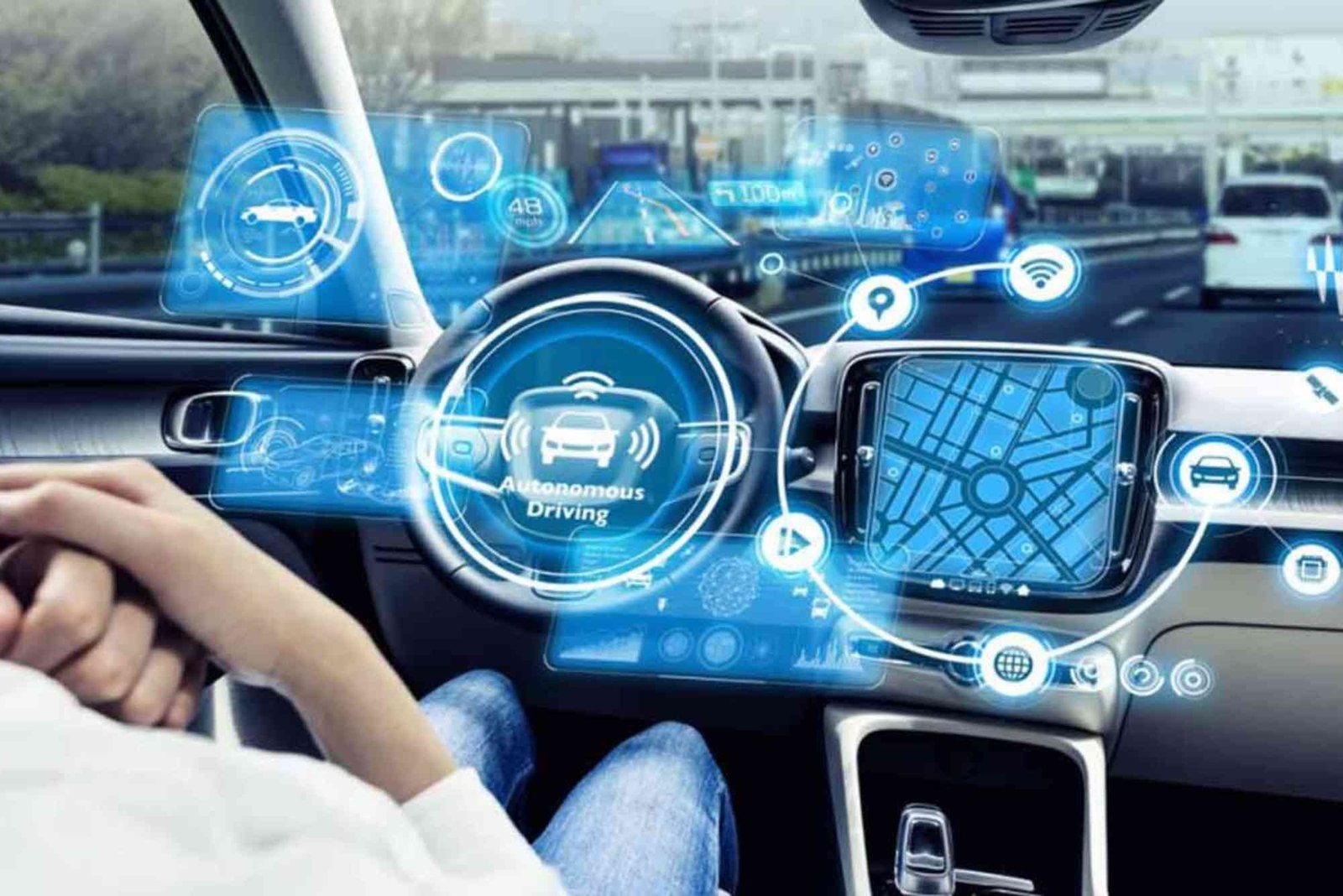
Autonomous Driving and AI
Levels of Autonomy
Self‑driving technology is closely intertwined with electric vehicles. While full autonomy remains a goal, many EVs already include semi‑automated features. These systems reduce driver fatigue and improve road safety.
AI and Machine Learning
Artificial intelligence powers autonomous systems and smart energy management. Machine learning helps vehicles learn from data, improving performance over time. The more connected the vehicles, the more refined their decision‑making becomes.
Challenges and Regulations
Autonomous vehicles raise regulatory and ethical questions. Safety standards, data privacy, and liability frameworks are being developed worldwide. Harmonizing rules across regions will be key to widespread deployment.
Renewable Energy and EV Synergy
Clean Charging
The environmental promise of EVs is strongest when charged with clean energy. Solar, wind, and hydroelectric power reduce the carbon footprint of electric vehicles. Home charging systems paired with rooftop solar are becoming popular.
Vehicle‑to‑Grid Systems
Electric vehicles can support the grid through bidirectional charging. When parked, EV batteries can feed electricity back to the grid during peak demand. This helps stabilize energy systems and offers potential financial benefits for owners.
Smart Energy Management
Smart charging schedules allow vehicles to charge when electricity is cheapest or greenest. By using data from energy providers, EVs can optimize charging for environmental and financial efficiency.
Business and Economic Trends
Market Growth
The global EV market is expanding rapidly. Sales are rising as more affordable models enter the market. Countries are setting ambitious targets to phase out combustion engines. This growth creates jobs in manufacturing, infrastructure, and software.
New Business Models
Electric vehicles enable new business models like subscription services and battery leasing. Some companies separate the car and battery purchase, lowering upfront costs for drivers. Shared mobility services are also increasingly electrified.
Investment in Innovation
Investment in EV technologies continues to surge. Startups and established firms are competing in battery tech, charging solutions, and vehicle design. Collaboration between automotive and tech sectors is driving unprecedented innovation.
Challenges on the Road Ahead
Supply Chain and Materials
EV production depends on critical materials like lithium, cobalt, and nickel. Supply chain issues and geopolitical tensions can affect costs and availability. Sustainable mining practices and alternative materials are being explored to mitigate risks.
Charging Accessibility
Despite growth, charging infrastructure still lags in many regions. Rural and underserved communities may lack fast chargers. Governments and private companies must expand networks equitably.
Consumer Perception
Some consumers remain hesitant about EVs due to range concerns or higher upfront costs. Education and incentives will be essential to shift perceptions and accelerate adoption.
The Role of Policy and Regulation
Government Incentives
Tax credits, subsidies, and rebates can lower the cost of EV ownership. Policies that promote clean energy and penalize high emissions push markets toward electric options.
Emission Standards
Stricter emission standards force automakers to innovate. Many regions are planning bans on new fossil fuel vehicles in coming decades. This regulatory landscape shapes corporate strategies and consumer choices.
Global Cooperation
Climate goals require international collaboration. Shared standards for charging, safety, and emissions help streamline EV adoption worldwide. Cross‑border cooperation in research and infrastructure accelerates progress.
Real‑World Impact
Environmental Benefits
Electric vehicles reduce greenhouse gas emissions and air pollution. This benefits public health, especially in urban areas. Cleaner transport helps countries meet climate commitments and improve quality of life.
Urban Mobility
Cities are redesigning transport with EVs in mind. Electric buses, bikes, and scooters are part of integrated mobility plans. Smart traffic systems reduce congestion and emissions.
Economic and Social Change
The shift to electric vehicles changes labor markets, energy systems, and consumer behavior. New skills are needed in EV maintenance, battery tech, and software. Education and training programs are adapting to these trends.
The future of electric vehicles and technology is bright, transformative, and filled with opportunity. From advanced batteries to intelligent systems, EVs are reshaping how we live and move. The transition brings challenges, yet innovation and investment continue to drive progress. As infrastructure grows and technology evolves, electric vehicles will become the centerpiece of a sustainable transportation future.
Now is the time to embrace this change. Whether you are a consumer, business leader, or policy maker, staying informed helps you benefit from the EV revolution. Consider how adopting electric vehicles can save costs, reduce emissions, and support a cleaner planet.
Curious about how EV technology can impact your life or business? Subscribe to our newsletter for the latest insights, trends, and expert guidance in electric mobility.
Frequently Asked Questions
What is the future outlook for electric vehicles?
The outlook is strong, with continued growth in adoption, technological advances in batteries, and expanded charging networks leading the transition.
How long will EV batteries last in the future?
Future EV batteries are expected to last longer with higher energy density and improved durability, making electric vehicles more reliable and cost‑effective.
Will electric vehicles replace gasoline cars?
Over time, EVs are set to replace most gasoline vehicles, driven by policy mandates, environmental goals, and consumer demand.
Are electric vehicles better for the environment?
Yes, especially when charged with renewable energy, EVs significantly reduce emissions and air pollution.
How soon will autonomous electric vehicles become common?
While full autonomy faces technical and regulatory hurdles, semi‑autonomous features are increasingly common and will expand in the next decade.

Admin
Senior Technology and Innovation contributor at GrandInventor.
View all articles by this author →