
Introduction
Baking a cake may seem simple, but mastering it takes more than just following a recipe. If you want to impress family, friends, or clients, knowing how to bake cakes like a pro is essential. From understanding ingredients to mastering baking techniques, every step plays a role in creating a perfect, moist, and flavorful cake. In this guide, we’ll break down everything you need to become a confident home baker and achieve professional results.
Understanding the Basics of Cake Baking
Before diving into recipes and techniques, it’s important to understand what makes a cake rise, taste great, and stay moist. Professional bakers focus on balance and precision. Ingredients interact in complex ways, so even small changes can affect the outcome.
Key Ingredients Every Cake Needs
Flour provides structure, while sugar adds sweetness and tenderness. Eggs give cakes stability and help trap air for a light texture. Fats, such as butter or oil, contribute to moistness and flavor. Leavening agents like baking powder or baking soda ensure the cake rises properly. Liquids like milk or water combine ingredients and help create a smooth batter. Understanding how these ingredients work together is the first step in baking like a pro.
The Role of Measurement and Precision
Accurate measurements are crucial. Professional bakers often use a digital scale instead of measuring cups to ensure consistency. Even a small variation in flour or sugar can change the texture. Weighing ingredients ensures that each cake turns out the same every time, which is key to achieving professional results.
Mastering Cake Preparation Techniques
How you mix, fold, and prepare the batter can make or break your cake. Paying attention to these details separates an amateur from a pro.
Choosing the Right Mixing Method
Different cakes require different mixing techniques. Creaming involves beating butter and sugar until fluffy, perfect for buttery cakes like pound cake. The whisking method, where eggs and sugar are beaten to incorporate air, works best for sponge cakes. For some recipes, folding dry and wet ingredients gently avoids deflating air bubbles. Understanding which method suits your cake is critical.

Ensuring Proper Ingredient Temperatures
Ingredients should often be at room temperature. Eggs, butter, and milk mix more evenly when not cold, preventing lumps and ensuring a smooth batter. Proper temperatures also help cakes rise evenly and develop the right texture. Skipping this step is a common mistake that can ruin even a perfect recipe.
Preparing Pans Correctly
Professional bakers never skip pan preparation. Greasing and lining with parchment paper ensures the cake doesn’t stick and can be removed easily. The right pan size is also vital. Using a smaller pan may overflow the batter, while a larger pan can result in a thin, dry cake.
Baking Techniques for Flawless Cakes
Even with perfect ingredients and batter, baking can be tricky. Oven temperature, timing, and placement all influence the final result.
Setting the Oven Right
Preheating your oven is essential. A hot oven ensures proper rising from the start. Using an oven thermometer can confirm the temperature, as built-in dials are sometimes inaccurate. Avoid opening the oven frequently, as sudden temperature changes can cause the cake to collapse.
Timing and Doneness
Every cake has a specific baking time, but ovens vary. Checking doneness with a toothpick or skewer works best. Insert it into the center; if it comes out clean or with a few crumbs, the cake is ready. Cakes that bake too long can dry out, while underbaking leads to a raw center. Timing mastery comes with practice.
Cooling and Layering
Cooling cakes properly is often overlooked. Let the cake cool in the pan for a few minutes before transferring to a wire rack. Removing the cake too soon can break it. For layered cakes, cooling completely ensures even frosting and prevents melting or sliding layers. Professionals often chill cakes slightly before decorating to achieve clean, sharp layers.
Advanced Tips for Professional Results
Once you master the basics, these tips elevate your baking to a professional level.
Sifting and Aerating
Sifting flour, cocoa, and powdered sugar prevents lumps and adds lightness. It also ensures even mixing, which improves the cake’s texture. Incorporating air while sifting helps cakes rise beautifully.
Flavor Enhancements
Adding extracts, zests, or spices in the right proportion enhances flavor without overpowering. For chocolate cakes, high-quality cocoa or melted chocolate adds depth. Vanilla extract can elevate simple butter cakes. Understanding how flavors interact is key to creating a professional taste.
Consistency in Frosting
Professional bakers know that frosting consistency affects presentation. Buttercream should be smooth and spreadable, while ganache should coat evenly without dripping excessively. Using tools like offset spatulas or piping bags ensures neat and attractive finishes.
Experimentation and Practice
Baking like a pro requires experimentation. Slight adjustments in ingredient ratios, oven temperature, and mixing techniques teach valuable lessons. Keeping a baking journal helps track what works best for your style and your oven.
Troubleshooting Common Cake Problems
Even professionals face challenges. Knowing how to fix common issues can save your cake.
Dry Cakes
Often caused by overbaking or too much flour. Ensure precise measurements, monitor baking time, and consider adding extra fat or liquid for moisture.
Dense or Heavy Cakes
Under-mixing or using expired leavening agents can result in dense cakes. Properly cream butter and sugar, and verify that baking powder or soda is active.
Uneven Layers
Uneven heat or improper pan preparation can cause lopsided cakes. Rotate pans midway, use an oven thermometer, and level cakes with a serrated knife for professional symmetry.
Cracked Tops
High oven temperatures or overmixing batter can cause cracking. Bake at the recommended temperature and fold ingredients gently. Using a water bath for delicate cakes can also prevent cracks.
Decorating Like a Professional
Professional cake baking isn’t complete without decoration. Simple touches can make your cake stand out.
Smooth Finishes
Crumb coating prevents crumbs from ruining the final layer of frosting. Apply a thin initial coat, chill the cake, then add the final layer for a flawless finish.
Creative Toppings
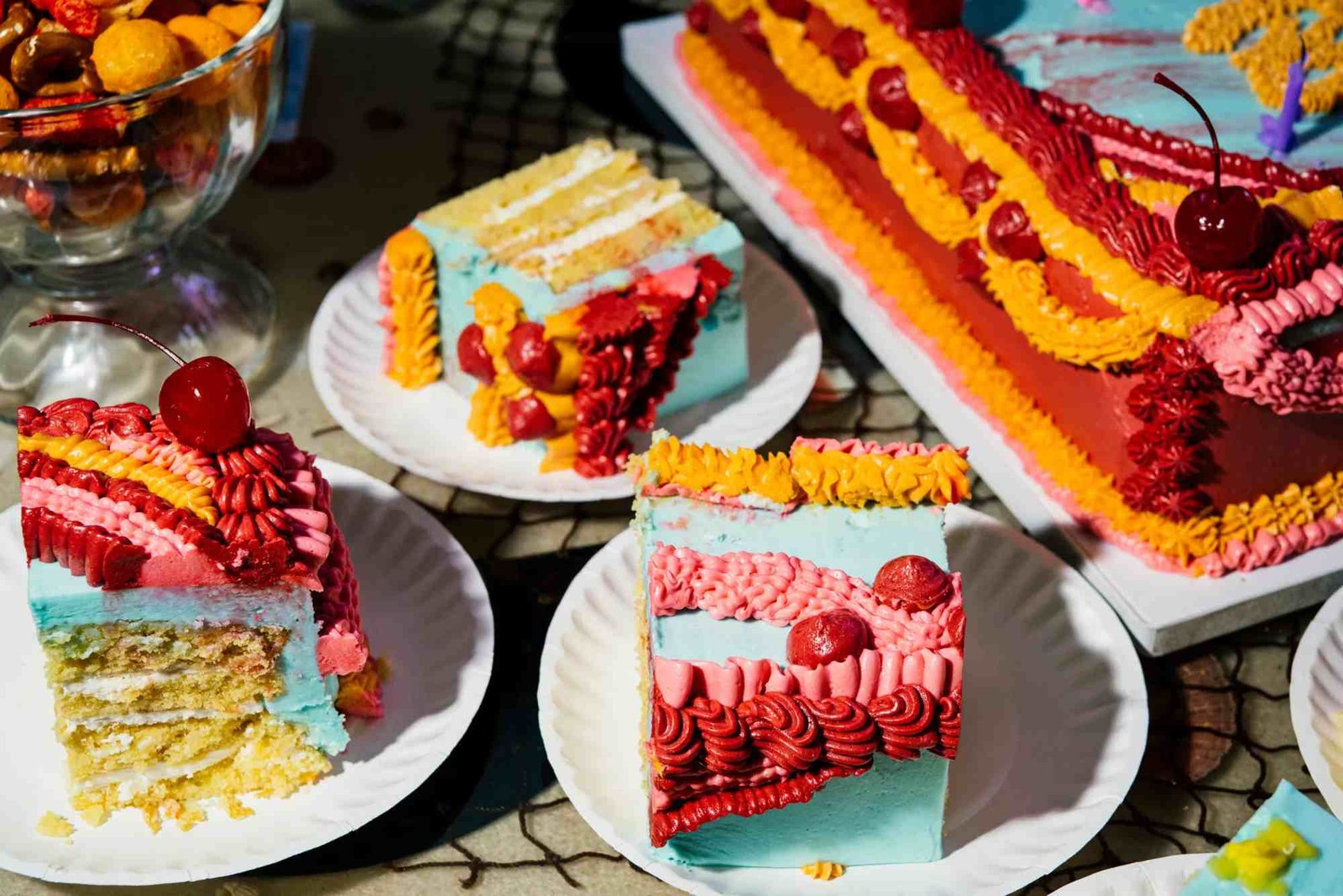
Fresh fruits, nuts, chocolate shavings, and edible flowers add visual appeal. Advanced bakers often use fondant, ganache drips, or piping techniques to elevate the cake’s appearance.
Layering and Stacking
Even layering creates professional cakes. Use a ruler or guide to ensure each layer has the same height. For taller cakes, dowels provide support to prevent collapsing.
Your Journey to Baking Mastery
Learning how to bake cakes like a pro takes patience, practice, and attention to detail. Understanding ingredients, mastering mixing and baking techniques, and applying professional touches in decoration will transform your cakes. With consistent effort, your cakes can rival bakery standards, impressing everyone who tastes them. Start with simple recipes, practice precision, and gradually experiment with flavors, textures, and designs. Remember, every great baker began with small steps.
Take action today by choosing a classic cake recipe, gathering high-quality ingredients, and following the techniques outlined here. Your path to professional cake baking starts now, and each attempt brings you closer to mastery.
FAQs
How long does it take to bake a cake like a pro?
The baking time depends on cake type and size, but mastering technique requires consistent practice over weeks or months.
Why is my cake dense even though I followed the recipe?
Density usually comes from overmixing, expired leavening agents, or incorrect measurements. Proper technique and ingredient checks solve this.
How can I make my cakes moist and fluffy?
Use room-temperature ingredients, accurate measurements, and avoid overbaking. Adding a touch of oil or sour cream can enhance moistness.
Do I need special equipment to bake like a pro?
Basic tools like mixing bowls, a hand or stand mixer, a digital scale, and baking pans are essential. Specialized tools improve consistency but aren’t mandatory.
Can I decorate cakes professionally at home?
Yes. Using crumb coats, piping bags, and simple techniques can make your cakes look professional without advanced tools.
What is the most common mistake when baking cakes?
Common mistakes include overmixing, inaccurate measurements, improper oven temperature, and skipping cooling times. Each affects texture and appearance.

Admin
Senior Technology and Innovation contributor at GrandInventor.
View all articles by this author →