
Introduction
Creating a Scandinavian interior look is about embracing simplicity, functionality, and natural beauty. Rooted in the design traditions of countries like Sweden, Denmark, and Norway, this style emphasizes clean lines, muted colors, and a cozy, inviting atmosphere. Scandinavian interiors are not just visually appealing—they are also highly practical, making them perfect for modern living. If you’re wondering how to create a Scandinavian interior look in your home, this guide will walk you through the essential elements, design principles, and practical tips to achieve this timeless style.
Understanding the Scandinavian Style
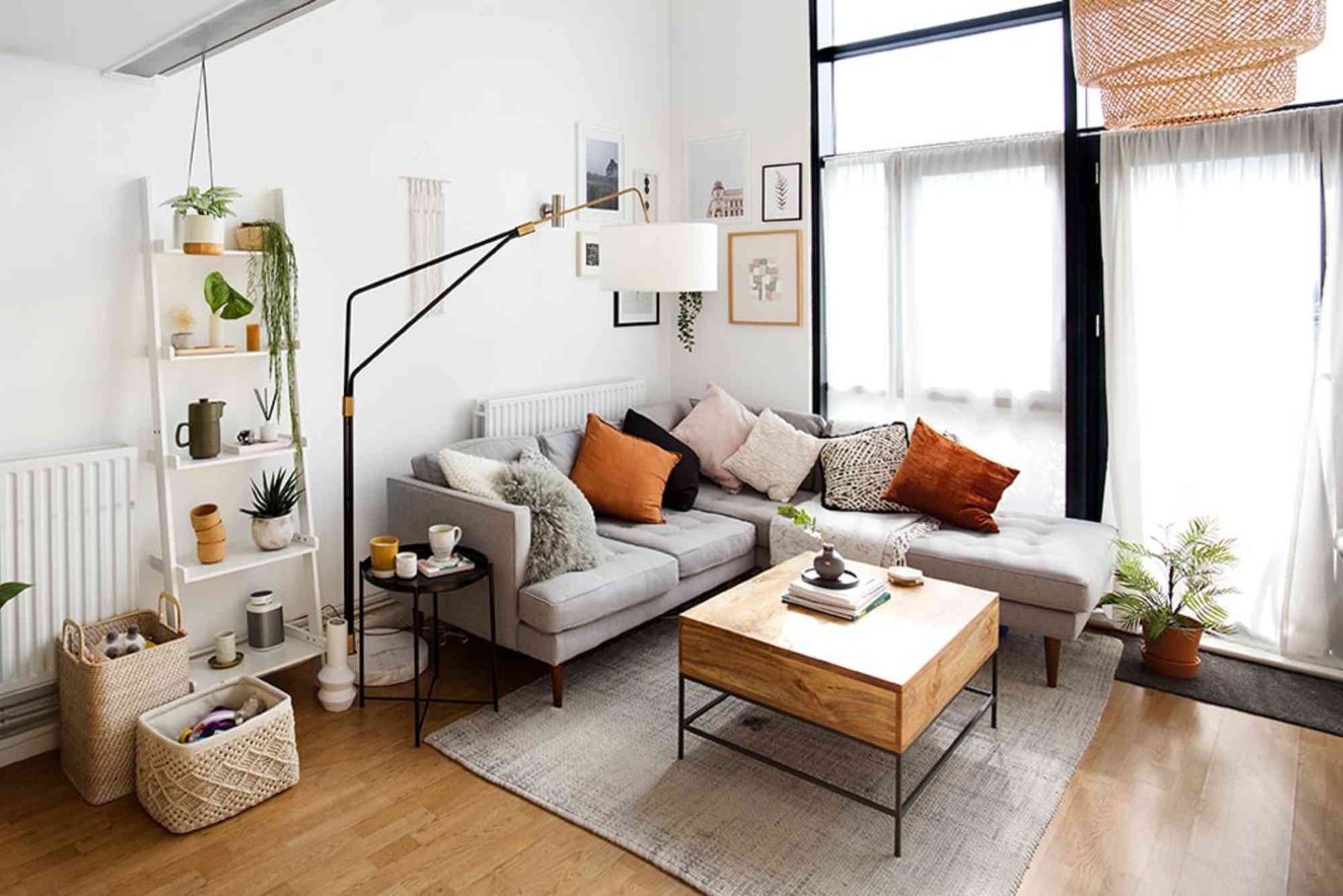
The Scandinavian style focuses on simplicity, minimalism, and comfort. Unlike ornate or overly decorative interiors, it celebrates open spaces, natural light, and functional design. At its core, Scandinavian design is about creating a serene environment that feels both modern and welcoming. Neutral colors, natural materials, and carefully selected furniture are the hallmarks of this approach. The aim is to achieve harmony and balance, where each element serves a purpose without cluttering the space.
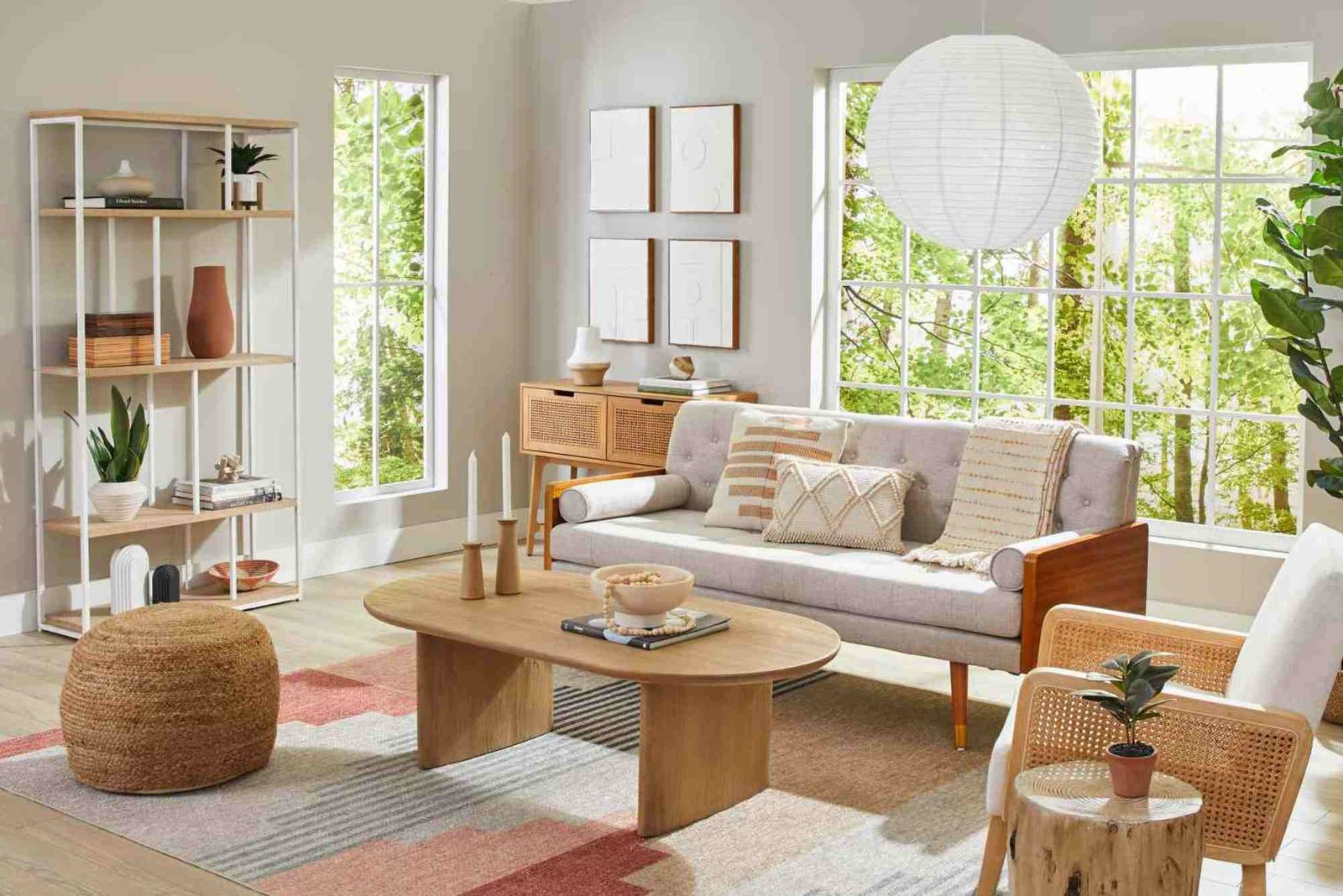
Natural light plays a crucial role in Scandinavian interiors. In Northern Europe, winters are long and dark, so designers prioritize bright, airy rooms that feel open and refreshing. Large windows, light-colored walls, and reflective surfaces are commonly used to maximize daylight. Additionally, lighting fixtures with clean designs are often strategically placed to provide warmth and enhance the cozy atmosphere, particularly during evening hours.
Choosing the Right Color Palette
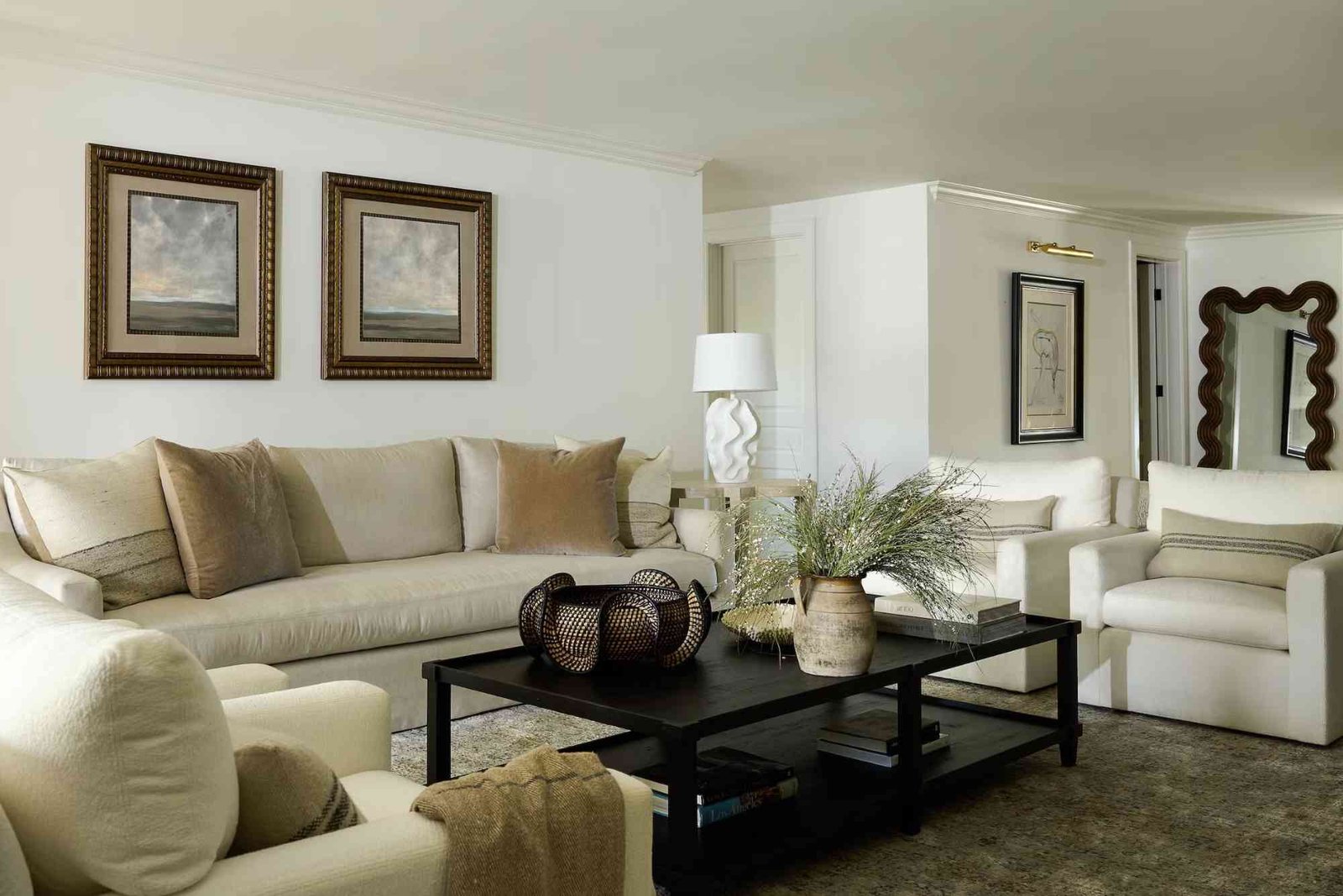
The foundation of a Scandinavian interior is a soft, muted color palette. White is often the dominant color, providing a clean canvas that makes spaces appear larger and brighter. Light grays, soft beiges, and pale pastels complement white walls, creating a sense of calm and openness. These shades are intentionally subtle, allowing natural elements and textures to stand out without overwhelming the senses.
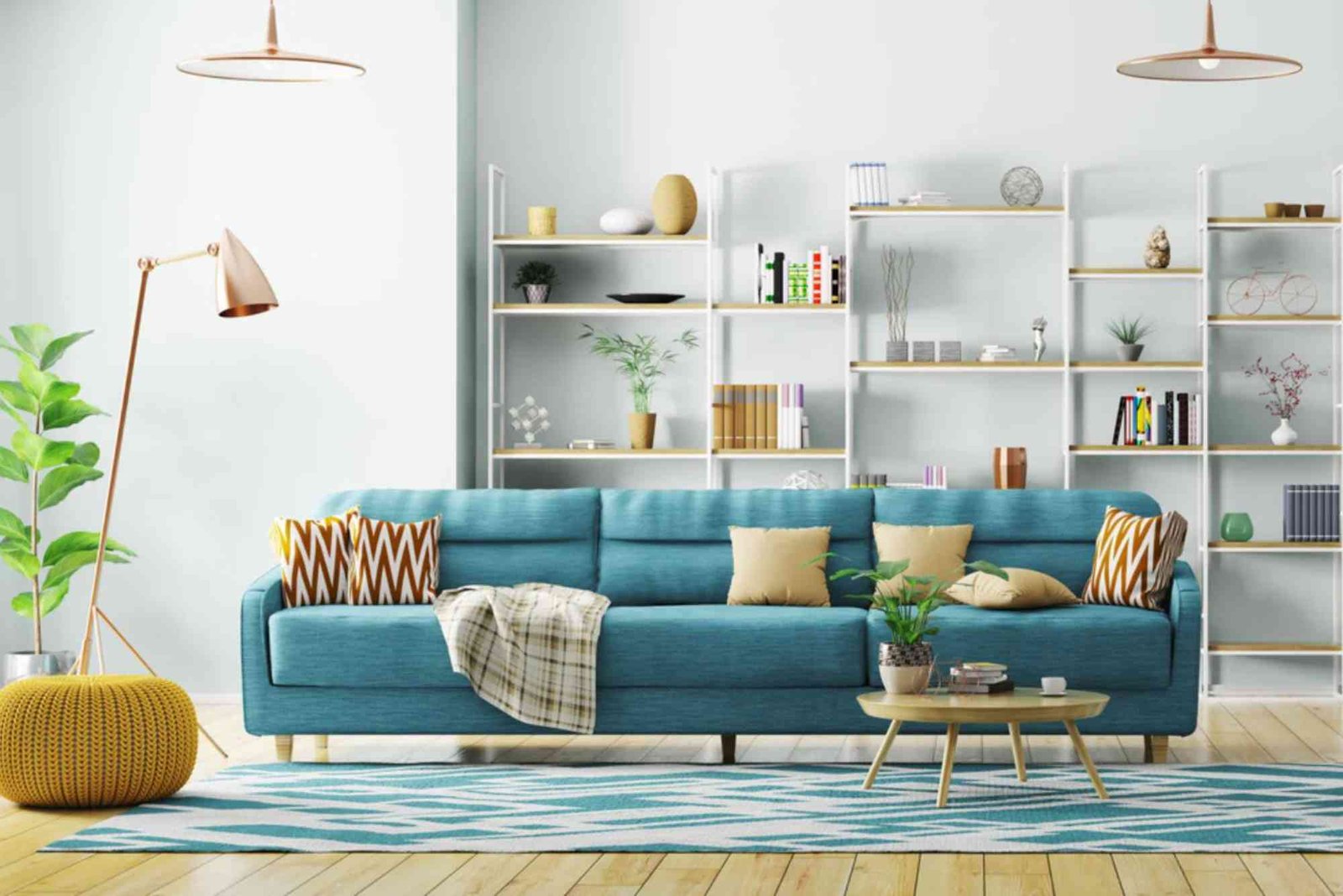
Accents in Scandinavian design are usually minimal but effective. Black or charcoal details on furniture, frames, or lighting fixtures add contrast and sophistication. Muted blues, greens, or earthy tones can be introduced through textiles, rugs, or decorative objects, maintaining the overall serene feel while adding personality to the space.
Emphasizing Natural Materials
A key feature of Scandinavian interiors is the use of natural materials. Wood, particularly light-toned varieties such as pine, oak, or birch, is widely used for flooring, furniture, and even ceiling details. The texture of wood adds warmth and a tactile quality that complements the minimalist aesthetic.

Textiles such as wool, linen, and cotton are also integral to Scandinavian design. Soft throws, plush rugs, and cozy cushions create a sense of hygge, the Danish concept of comfort and well-being. Incorporating natural stone, ceramics, and glass can further enhance the authentic Scandinavian feel while adding visual interest and texture.
Functional Furniture Choices
Furniture in Scandinavian interiors is both functional and stylish. Designs are simple, with clean lines and minimal ornamentation. Pieces often have a modernist influence, reflecting mid-century design principles. Multi-purpose furniture is highly valued, particularly in smaller homes, where space efficiency is essential.
Seating should be comfortable yet understated. Sofas, armchairs, and dining chairs are usually made of natural materials with sleek profiles. Tables and storage solutions often feature open designs, which prevent clutter and allow the space to breathe. The goal is to combine comfort with functionality without compromising on aesthetics.
Creating a Cozy Atmosphere
Despite the minimalist approach, Scandinavian interiors are never cold or sterile. Achieving warmth and coziness is essential. Layering textiles, such as blankets, cushions, and rugs, is a simple way to introduce softness and comfort. Lighting also contributes to the cozy ambiance. Combining natural daylight with soft, ambient lighting from lamps, pendant lights, and candles creates a welcoming environment.
Plants are another effective way to add warmth and life to Scandinavian spaces. Greenery brings a touch of nature indoors, balancing the neutral palette and introducing visual interest. Simple, low-maintenance plants like ferns, succulents, or snake plants fit perfectly with the style while promoting a sense of calm and well-being.
Maximizing Space and Light
Open, airy spaces are a hallmark of Scandinavian interiors. Avoiding overcrowding and keeping rooms uncluttered helps maintain a sense of openness. Storage solutions are designed to be practical and discreet, such as built-in cabinets, floating shelves, or under-sofa storage.
Mirrors are often used strategically to reflect natural light and make spaces feel larger. Large windows with minimal window treatments allow light to flow freely, enhancing the bright and inviting atmosphere. By maximizing light and optimizing space, Scandinavian interiors achieve a balance of beauty and functionality.
Decorative Accents and Art
While Scandinavian interiors are minimalist, well-chosen accents can add personality and charm. Wall art, sculptural objects, and carefully curated decor items should be simple yet striking. Black-and-white photography, abstract prints, or small wooden sculptures are popular choices.
Textured elements, such as knitted throws, woven baskets, or ceramic vases, add depth without cluttering the space. The key is moderation—every piece should have a purpose, contributing to the overall aesthetic and harmony of the room.
Practical Tips for Implementation
When transforming your home into a Scandinavian-inspired space, start with a clear plan. Focus on one room at a time to avoid feeling overwhelmed. Begin with the basics: neutral walls, natural flooring, and functional furniture. Layer textures and add accents gradually, ensuring the space remains airy and uncluttered.
Keep maintenance in mind. Scandinavian interiors are meant to be lived in, so prioritize durable materials and easy-to-clean surfaces. Functionality should never be compromised for style, and simplicity should guide every choice, from furniture to lighting to decorative objects.
Creating a Scandinavian interior look is about blending simplicity, elegance, and functionality with a warm, inviting atmosphere. By embracing neutral colors, natural materials, functional furniture, and cozy accents, you can design a home that feels modern yet comfortable. The key lies in maintaining balance—every element should serve a purpose while enhancing the overall aesthetic. Whether you’re decorating a small apartment or a spacious home, Scandinavian design offers timeless appeal and practical solutions for modern living.
Transform your living space today by embracing these principles. Start with small changes like adding natural textiles, decluttering, or introducing greenery, and gradually build a home that embodies the essence of Scandinavian elegance and comfort.
Creating an inviting outdoor space can transform your backyard into a relaxing retreat for family and friends. If you’re looking for inspiration and practical tips on designing a beautiful and functional patio, check out this helpful guide on how to create a stylish outdoor patio — it walks you through layout ideas, décor choices, and key design principles to elevate your outdoor living area:
FAQs
What defines a Scandinavian interior style?
Scandinavian style is defined by minimalism, functionality, neutral colors, natural materials, and a cozy, inviting atmosphere.
Which colors work best for Scandinavian interiors?
Soft, muted tones like white, beige, light gray, and pastels create a calming backdrop, while black or earthy accents provide contrast.
How can I make a small space feel Scandinavian?
Use light colors, maximize natural light, incorporate functional furniture, and keep decor minimal to create openness and airiness.
Are Scandinavian interiors suitable for modern homes?
Yes, their clean lines, practical furniture, and emphasis on light and comfort make them ideal for contemporary living spaces.
How do I add warmth without cluttering the space?
Layer textiles, use ambient lighting, and incorporate plants to create a cozy, welcoming environment without compromising simplicity.
Related Reading: How to Create a Minimalist Bedroom Sanctuary

Admin
Senior Technology and Innovation contributor at GrandInventor.
View all articles by this author →