
Introduction
In today’s world, making your home eco-friendly is no longer just a trend—it is a responsibility. Reducing your environmental footprint not only benefits the planet but also enhances your living space, lowers utility bills, and promotes a healthier lifestyle. Learning how to make your home more eco-friendly involves thoughtful decisions in energy consumption, materials, water usage, and everyday habits. Small changes can create significant impact over time, and adopting sustainable practices is easier than many people think.
Creating an eco-friendly home begins with understanding the core areas where your household affects the environment. Energy efficiency, water conservation, waste management, sustainable materials, and indoor air quality are essential aspects to consider. Each choice you make can either contribute to or reduce your carbon footprint. By approaching your home as a system, you can make improvements that complement each other and maximize both environmental and personal benefits.
Reducing Energy Consumption
Energy efficiency is the foundation of an eco-friendly home. Homes that consume less energy not only reduce greenhouse gas emissions but also save money in the long run. The first step involves assessing your current energy use. Identifying appliances and systems that consume the most energy helps prioritize improvements. Modern solutions, such as energy-efficient appliances and smart home technology, make managing energy usage simpler and more effective.
Upgrade to Energy-Efficient Appliances
Replacing outdated appliances with energy-efficient models is one of the most impactful ways to make your home eco-friendly. Refrigerators, washing machines, and HVAC systems that carry the ENERGY STAR label use significantly less electricity than older models. Although these upgrades may require upfront investment, they often pay off through lower energy bills and long-term savings. Beyond appliances, lighting also plays a crucial role. LED bulbs use up to 80% less energy than incandescent bulbs while offering longer lifespan.
Insulate and Seal Your Home
Proper insulation and sealing prevent heat loss in winter and keep your home cooler in summer, reducing the need for excessive heating and cooling. Adding insulation to walls, roofs, and floors and sealing gaps around windows and doors significantly lowers energy consumption. Double-glazed windows are another effective solution, providing thermal efficiency while reducing noise pollution. A well-insulated home maintains a comfortable temperature year-round while decreasing reliance on fossil fuels.
Utilize Renewable Energy Sources
Adopting renewable energy is a major step toward an eco-friendly home. Solar panels, small wind turbines, or solar water heaters can significantly cut your energy dependence on the grid. Solar energy, in particular, has become more affordable and accessible, and many governments offer incentives or tax rebates for installation. Even partially powering your home with renewable energy reduces carbon emissions and increases self-sufficiency.

Conserving Water
Water is a precious resource, and conserving it is essential for sustainable living. Making your home more eco-friendly includes reducing water waste, harvesting rainwater, and installing water-efficient fixtures. Small changes in daily habits can make a noticeable difference over time.
Install Low-Flow Fixtures
Low-flow faucets, showerheads, and toilets reduce water consumption without compromising functionality. Modern designs are efficient, affordable, and easy to install. By controlling water flow, these fixtures help reduce both water bills and the energy required to heat water, creating a double environmental benefit.
Rainwater Harvesting
Collecting rainwater is an effective way to supplement your home’s water supply. Rainwater can be used for irrigation, toilet flushing, and other non-potable purposes. Installing a simple rain barrel system reduces reliance on municipal water, lowers water bills, and decreases the strain on local water resources.
Smart Landscaping
Eco-friendly homes also extend to outdoor spaces. Drought-tolerant plants and xeriscaping minimize the need for watering while maintaining a beautiful garden. Avoiding water-intensive lawns and focusing on native plants preserves local ecosystems and reduces water consumption dramatically.
Choosing Sustainable Materials
The materials used in your home directly impact its eco-friendliness. From construction to everyday household items, sustainable materials reduce environmental harm while often being safer for your health.
Eco-Friendly Flooring and Furniture
Opting for sustainably sourced wood, bamboo, or recycled materials reduces the demand for deforestation and lowers your carbon footprint. Bamboo is particularly beneficial as it grows rapidly, regenerates quickly, and requires minimal pesticides. Recycled metal, glass, and composite materials also provide durable and stylish alternatives for furniture, countertops, and flooring.
Non-Toxic Paints and Finishes
Many traditional paints and finishes emit volatile organic compounds (VOCs) that harm indoor air quality and the environment. Choosing low-VOC or natural paints improves indoor health while minimizing toxic emissions. Similarly, natural sealants and adhesives help maintain a chemical-free environment while supporting sustainability.
Energy-Efficient Windows and Doors
Sustainable materials extend to windows and doors as well. Frames made from recycled aluminum or sustainably harvested wood enhance energy efficiency and longevity. Choosing these materials over plastic or low-quality alternatives prevents frequent replacement and reduces long-term environmental impact.
Reducing Waste
An eco-friendly home actively manages waste to minimize its contribution to landfills. Waste reduction involves careful consumption, recycling, and composting.
Smart Recycling Systems
A well-organized recycling system encourages consistent separation of plastics, metals, glass, and paper. Educating all household members on proper recycling techniques ensures that waste is effectively diverted from landfills. Local recycling programs often provide guidance on what can be recycled and how to prepare items for collection.
Composting Organic Waste
Composting food scraps and yard waste transforms potential landfill material into nutrient-rich soil. Indoor compost bins make the process easy even in small apartments, while outdoor compost piles provide an excellent source of organic fertilizer for gardens. Composting reduces methane emissions from landfills while promoting healthier soil for plants.
Mindful Consumption
Sustainable living also involves mindful consumption. Reducing single-use items, opting for reusable alternatives, and choosing products with minimal packaging decreases waste generation. Conscious purchasing decisions reduce demand for environmentally harmful production practices and support businesses with eco-friendly policies.
Improving Indoor Air Quality
Indoor air quality is a key component of an eco-friendly home. Reducing pollutants, increasing ventilation, and incorporating natural elements all contribute to a healthier living environment.
Houseplants and Natural Air Purifiers
Houseplants not only beautify your space but also act as natural air purifiers. Plants like spider plants, snake plants, and peace lilies filter toxins and improve humidity. Incorporating greenery throughout your home creates a connection with nature while enhancing overall wellness.
Proper Ventilation
Adequate ventilation prevents mold growth and reduces the buildup of indoor pollutants. Opening windows regularly, using exhaust fans, and investing in energy-efficient air filtration systems ensure clean and fresh air circulation. Balanced ventilation supports both comfort and eco-consciousness by maintaining indoor air quality without excessive energy use.
Non-Toxic Cleaning Products
Cleaning products often contain harsh chemicals that pollute indoor air and harm the environment. Switching to natural or biodegradable cleaning agents reduces chemical exposure while supporting sustainability. Simple alternatives like vinegar, baking soda, and essential oils are effective and environmentally friendly solutions.
Daily Habits for an Eco-Friendly Lifestyle
Beyond structural changes, daily habits make a significant difference in creating a sustainable home. Simple adjustments to routines can reduce energy use, water consumption, and waste generation consistently.
Turning off unused lights, unplugging electronics, and using energy-efficient settings on appliances are easy ways to conserve energy. Limiting water use by taking shorter showers, fixing leaks, and running dishwashers and washing machines only with full loads prevents unnecessary waste. Choosing public transportation, cycling, or walking whenever possible also contributes to environmental conservation while improving personal health.
Incorporating conscious shopping practices, such as buying local, organic, and minimally packaged goods, reduces transportation emissions and promotes sustainable industries. Educating family members about these habits fosters a household culture that prioritizes sustainability and eco-friendliness in every decision.
Making your home eco-friendly is a journey that combines technology, mindful choices, and sustainable habits. By reducing energy consumption, conserving water, using eco-friendly materials, minimizing waste, and improving indoor air quality, you can create a healthier, greener living space. Every step, no matter how small, contributes to a larger positive impact on the environment and your well-being. Start today by identifying one area to improve and gradually expand your efforts. Transforming your home into an eco-friendly haven not only benefits the planet but also creates a more comfortable, efficient, and inspiring place to live. Take action now and make eco-friendly living a core part of your lifestyle.
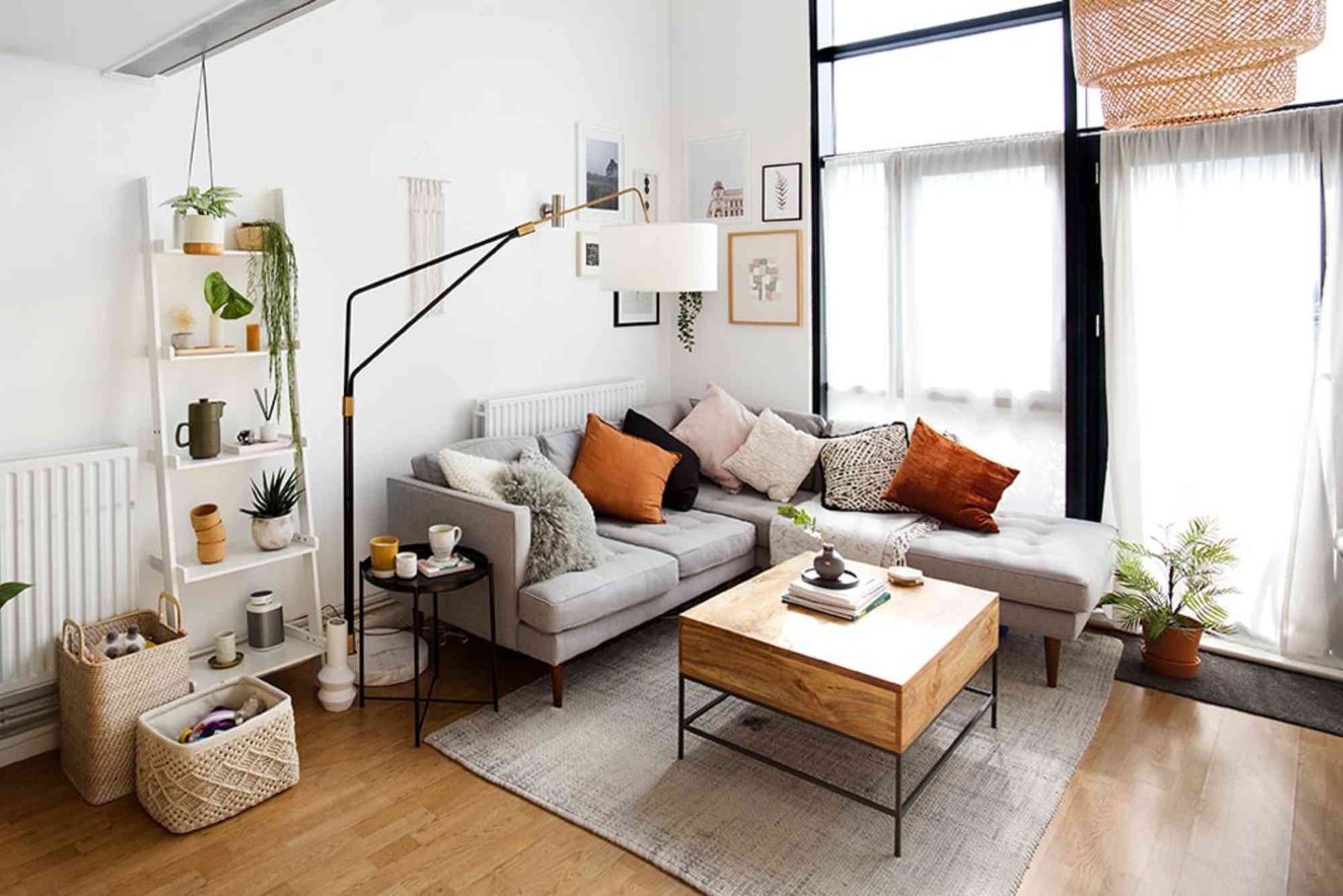
Discover how to design a calm and stylish living space inspired by Nordic simplicity with this guide on how to create a Scandinavian interior look. The article walks you through essential elements like minimalism, natural light, functional furniture, and cozy textures to help you achieve a serene, modern home aesthetic.
FAQ
How can I make my home more eco-friendly without major renovations?
You can start with small changes such as using LED lighting, installing low-flow water fixtures, and reducing single-use plastics. Simple habits can have a big impact over time.
Are solar panels worth it for eco-friendly homes?
Yes, solar panels reduce reliance on fossil fuels, lower electricity bills, and can increase property value. Many incentives also make installation more affordable.
What are the best eco-friendly materials for home interiors?
Sustainably sourced wood, bamboo, recycled metal and glass, low-VOC paints, and natural fabrics are ideal for creating eco-conscious interiors.
How can I reduce water usage effectively?
Install low-flow fixtures, harvest rainwater, choose drought-tolerant plants, and fix leaks promptly. Monitoring water consumption is key to long-term savings.
Does composting really help the environment?
Yes, composting organic waste reduces landfill methane emissions, enriches soil for gardening, and supports a circular waste system.

Admin
Senior Technology and Innovation contributor at GrandInventor.
View all articles by this author →