

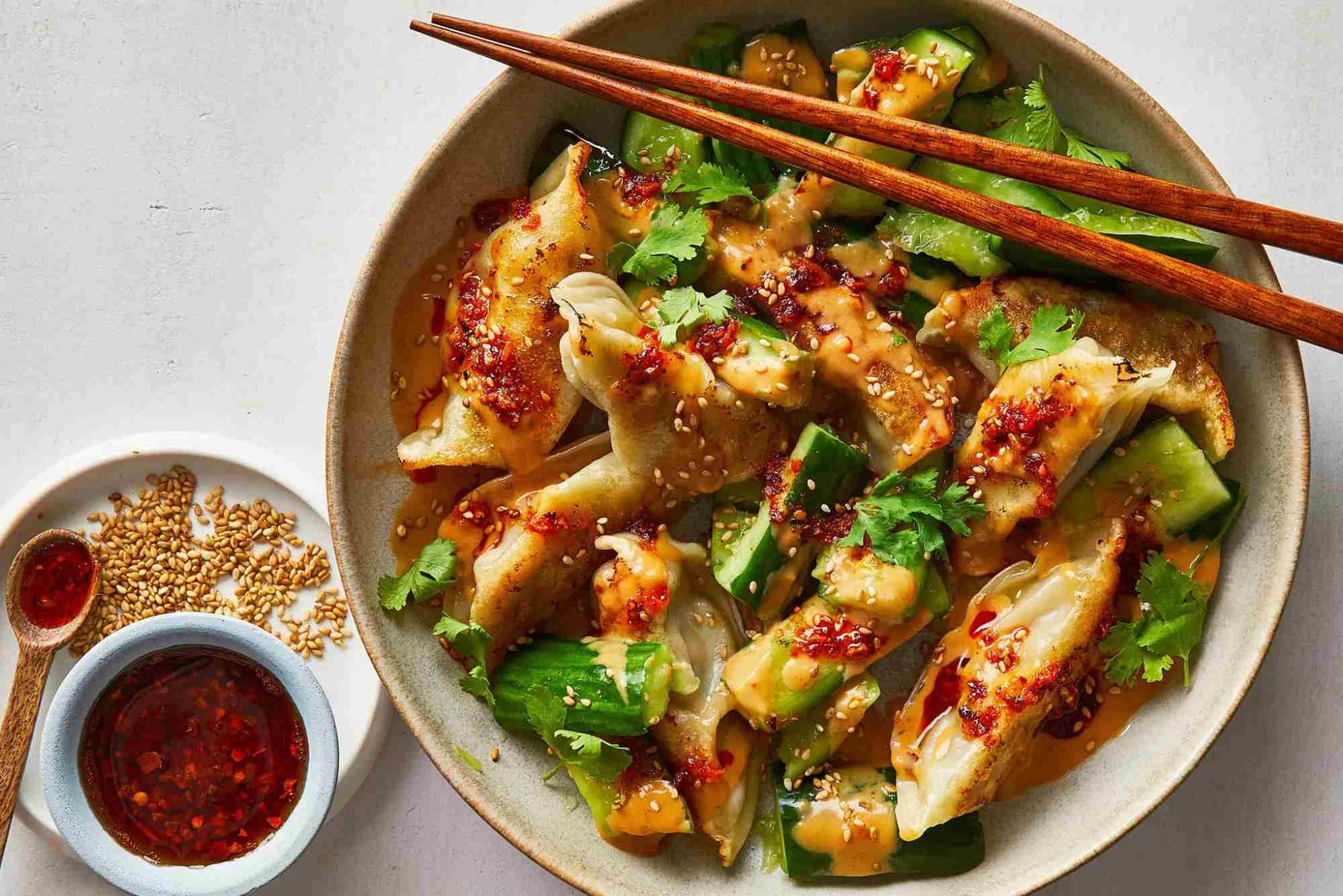
Introduction
Eating healthy doesn’t have to be complicated. With the right choices, you can enjoy meals that are both nutritious and satisfying. The key is to focus on whole foods, balance your nutrients, and make simple swaps that enhance your overall health. In this article, we’ll explore the best healthy food ideas for everyday meals to help you eat better without sacrificing taste or convenience.
Understanding Healthy Eating
Healthy eating isn’t just about cutting calories or avoiding certain foods. It’s about creating meals that nourish your body and provide energy throughout the day. Whole foods, fresh vegetables, lean proteins, and whole grains should form the foundation of your daily meals. By including a variety of colors and textures on your plate, you ensure that your body receives a broad spectrum of nutrients, including vitamins, minerals, and antioxidants.
Balancing macronutrients is equally important. Carbohydrates provide energy, proteins support muscle repair, and healthy fats promote brain function and hormone balance. By combining these in thoughtful ways, you can create meals that keep you full and energized, making it easier to avoid unhealthy snacking and maintain a steady metabolism.
Breakfast Ideas That Fuel Your Day
Breakfast sets the tone for your energy levels and metabolism. Choosing healthy options can help you stay focused and productive. Incorporate foods rich in fiber, protein, and healthy fats. For example, oatmeal topped with fresh fruits and a sprinkle of nuts provides complex carbohydrates and essential nutrients. Greek yogurt with berries is another excellent choice, offering probiotics and protein to support digestion and muscle health. Smoothies made with spinach, banana, and a scoop of protein powder are quick, customizable, and packed with vitamins.
Avoid highly processed breakfast foods like sugary cereals or pastries. These can cause spikes and crashes in blood sugar, leaving you hungry soon after eating. Instead, aim for slow-digesting carbs and nutrient-dense ingredients that release energy gradually, keeping you satisfied until your next meal.
Lunch Options for Energy and Focus
Lunch is the perfect opportunity to combine protein, fiber, and healthy fats in a way that fuels your afternoon. Lean proteins such as grilled chicken, tofu, or fish paired with whole grains like quinoa or brown rice create a satisfying and balanced meal. Adding a generous portion of vegetables, such as leafy greens, peppers, or broccoli, increases fiber intake and provides essential antioxidants.

Healthy dressings made from olive oil, lemon, and herbs can enhance flavor without adding unnecessary sugar or artificial ingredients. Consider meal-prepping your lunch for the week to save time and reduce the temptation of fast food. Balanced lunches not only improve focus and productivity but also support long-term weight management and heart health.
Dinner Ideas for Relaxing and Nourishing Meals
Dinner is your chance to enjoy a wholesome meal while replenishing your body after a busy day. Focus on lighter meals that are still rich in nutrients. Baked or grilled salmon provides omega-3 fatty acids, while roasted vegetables like carrots, zucchini, and sweet potatoes deliver fiber and vitamins. Stir-fries with tofu, lean meats, and a mix of colorful vegetables are quick to prepare and customizable to your taste.
Including a small portion of complex carbohydrates, like whole-grain pasta or brown rice, helps maintain steady energy levels without overloading your system before bedtime. Avoid fried foods and heavy sauces that can disrupt sleep and digestion. Healthy dinners should feel satisfying yet leave you ready for rest and recovery.
Snacks and Small Meals That Keep You Going
Healthy snacking can support your daily energy needs and prevent overeating at main meals. Choose snacks that combine protein, fiber, and healthy fats. Examples include almonds, fresh fruit, Greek yogurt, hummus with vegetables, or whole-grain crackers with avocado. These options are nutrient-dense, portable, and easy to prepare.
Avoid processed snacks high in sugar, salt, or unhealthy fats. Such foods can lead to energy crashes, cravings, and poor mood. Smart snacking ensures that you maintain consistent energy levels and can enjoy balanced meals without guilt or excess.
Tips for Consistency and Sustainable Eating
Consistency is key when adopting healthy eating habits. Plan meals ahead, keep your kitchen stocked with nutritious ingredients, and develop a flexible routine that suits your lifestyle. Don’t aim for perfection; instead, focus on gradual improvements. Incorporating seasonal vegetables and fruits not only adds variety but also maximizes nutrient intake.
Mindful eating is another effective strategy. Pay attention to hunger cues, eat slowly, and savor each bite. This approach can improve digestion, enhance satisfaction, and prevent overeating. Staying hydrated throughout the day is equally important, as water supports metabolism, digestion, and overall well-being.
Incorporating the best healthy food ideas for everyday meals doesn’t have to be daunting. By focusing on whole foods, balanced nutrients, and simple meal planning, you can create meals that nourish your body, support your energy, and improve overall health. Start small, experiment with new ingredients, and build a routine that feels natural. Your body will thank you for the care and attention you put into each meal. Begin today and make nutritious eating a seamless part of your lifestyle.
Boosting your metabolism can be delicious and simple! Including nutrient-rich foods like lean proteins, spicy peppers, green tea, and whole grains in your daily diet helps your body burn calories more efficiently. These metabolism-boosting foods not only enhance energy levels but also support weight management and overall health. Discover the best choices to fuel your body and keep your metabolism active. Foods to Improve Your Metabolism
FAQ
What are some easy healthy meals for beginners?
Start with meals that combine lean proteins, whole grains, and vegetables, such as grilled chicken with quinoa and steamed vegetables.
How can I make everyday meals healthier?
Swap refined grains for whole grains, use healthy fats like olive oil, and add more vegetables and fruits.
Are healthy meals time-consuming to prepare?
Not necessarily. Simple meals like smoothies, salads, or stir-fries can be ready in 15–20 minutes.
Can I eat healthy on a budget?
Yes, choose seasonal produce, buy in bulk, and focus on whole foods rather than processed items.
How do I avoid unhealthy snacking?
Keep nutritious snacks on hand, such as nuts, fruits, or yogurt, and stay hydrated to reduce cravings.
Related Reading: How to Cook Healthy Food on a Budget

Admin
Senior Technology and Innovation contributor at GrandInventor.
View all articles by this author →