Introduction
The retail landscape is evolving faster than ever, and technology is at the forefront of this transformation. Among emerging innovations, augmented reality (AR) is dramatically reshaping how consumers experience shopping. By merging the digital and physical worlds, AR allows customers to interact with products in ways previously unimaginable. From trying on clothes virtually to visualizing furniture in their homes, AR is making shopping more interactive, personalized, and convenient. Understanding how augmented reality is changing shopping is essential for retailers, marketers, and consumers alike as it represents the future of commerce.
The Evolution of Shopping Experiences
Shopping has come a long way from traditional brick-and-mortar stores. In the past, customers relied on physical displays, catalogs, and word-of-mouth recommendations. The rise of e-commerce introduced convenience, allowing consumers to browse products online without leaving their homes. However, online shopping lacked the tactile experience of physically interacting with products. Augmented reality bridges this gap by offering immersive, interactive experiences that make online shopping more tangible and trustworthy. By integrating AR into apps and websites, retailers can simulate real-world experiences, giving shoppers confidence in their purchases.
How Augmented Reality Enhances Customer Engagement
Creating Immersive Experiences
One of the main ways AR is transforming shopping is by making experiences immersive. Instead of static images or videos, AR enables customers to see products in their real environment. For example, furniture retailers can let users place digital models of sofas or tables in their living rooms. This helps buyers visualize how items fit with their existing décor, dimensions, and colors, reducing the uncertainty that often hinders online purchases.
Personalization and Customization
AR also facilitates personalization by allowing shoppers to modify products virtually. Clothing brands offer AR mirrors that let customers try on different outfits, colors, and accessories. Beauty brands have apps that simulate makeup on a user’s face, adjusting tones and styles instantly. This level of interactivity creates a sense of ownership and connection, making the shopping experience unique for every individual.
Reducing Returns and Increasing Satisfaction
One significant challenge in e-commerce is product returns. Misjudging size, fit, or appearance often leads to dissatisfaction. AR mitigates this problem by providing realistic previews before purchase. Shoppers can see exactly how a dress fits or how a piece of furniture looks in their home. This transparency enhances confidence, reduces the likelihood of returns, and improves overall customer satisfaction.
Transforming Retail Marketing Strategies
Engaging Storytelling
Retailers are using AR to craft engaging stories around products. By integrating AR features in packaging or advertisements, brands can provide interactive demonstrations, tutorials, or experiences that make products memorable. This approach encourages longer engagement and builds stronger emotional connections with the brand.
Gamification and Loyalty Programs
AR allows retailers to gamify shopping, making it fun and rewarding. Some brands offer interactive AR games or challenges in-store or online, where users can unlock discounts, rewards, or exclusive offers. This strategy not only drives engagement but also encourages repeat purchases, increasing customer loyalty over time.
Influencing Purchase Decisions
Shoppers today are influenced by interactive and experiential content. AR provides an experiential layer that traditional marketing cannot match. By letting consumers virtually engage with a product, retailers can influence decision-making more effectively. Customers are more likely to purchase when they feel confident and connected to the product through AR experiences.
How AR Bridges the Gap Between Online and Offline Retail
Augmented In-Store Experiences
Physical stores are also adopting AR to enhance the shopping experience. AR-powered mirrors, smart shelves, and interactive displays provide additional product information and visualizations. Shoppers can point their smartphones at products to access reviews, ratings, or styling suggestions. This integration makes the in-store experience more informative and engaging, merging the benefits of online and offline shopping.
Virtual Try-Ons and Fitting Rooms
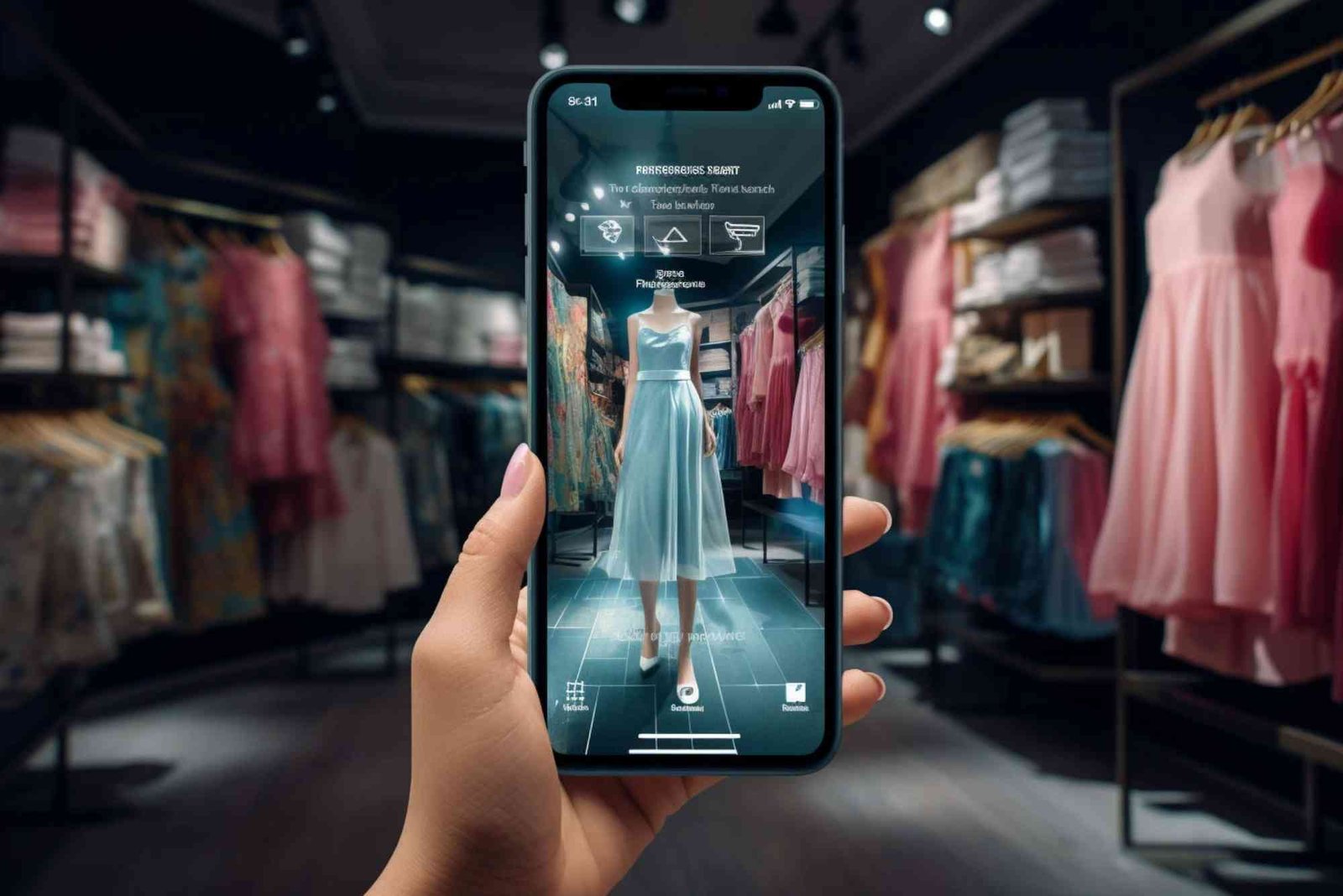
Virtual fitting rooms powered by AR allow customers to try on clothes without physically changing. This technology is particularly valuable in busy stores or during pandemic restrictions, offering a safe, hygienic alternative. By reducing friction in the shopping process, AR encourages more purchases and a positive perception of the brand.
Location-Based AR Experiences
Retailers can use AR to create location-based experiences that guide customers through stores. For instance, an AR app might help shoppers find products or highlight ongoing promotions. This approach combines convenience and entertainment, making shopping more interactive and efficient.
Impact on Consumer Behavior
Increased Engagement and Interaction
AR transforms passive browsing into active engagement. Shoppers spend more time exploring products when AR is involved, interacting with virtual models, trying out different variations, and visualizing items in real-world contexts. This higher engagement often translates to higher conversion rates for retailers.
Building Trust Through Transparency
AR fosters trust by reducing uncertainty. When customers can visualize or test products before buying, they are less likely to feel disappointed. Transparent experiences lead to higher satisfaction and increased brand credibility, which is crucial in today’s competitive retail environment.
Shaping Expectations for Future Shopping
As AR becomes more widespread, consumers are beginning to expect interactive experiences as standard. Brands that fail to adopt AR risk being perceived as outdated. Shoppers now value convenience, personalization, and immersive experiences, shaping long-term consumer behavior and expectations.
AR in Different Retail Sectors
Fashion and Apparel
The fashion industry has embraced AR extensively. Virtual fitting rooms, AR mirrors, and apps that simulate outfits allow customers to try before they buy. These innovations have improved both online and in-store experiences, driving higher engagement and reducing returns.
Beauty and Cosmetics
Beauty brands have successfully implemented AR for virtual makeup try-ons. Customers can see how lipstick shades, eye shadows, and foundations look on their faces in real-time. This enhances confidence in purchase decisions and allows brands to offer personalized recommendations.
Furniture and Home Décor
For furniture and home décor, AR provides a practical solution to size and style concerns. Shoppers can place virtual products in their rooms to ensure compatibility with space, color schemes, and aesthetics. This practical application reduces uncertainty and enhances satisfaction with purchases.
Automotive Industry
Automotive brands are also exploring AR for virtual car showrooms. Customers can customize models, change colors, and even experience a virtual test drive. This innovative use of AR allows buyers to explore features without visiting a dealership physically.
Grocery and Consumer Goods
Even grocery retailers are experimenting with AR. Shoppers can scan products to see nutritional information, recipes, or promotional offers. AR enhances convenience, adds value to the shopping experience, and encourages informed purchases.
Challenges and Considerations
Technology Accessibility
While AR offers numerous benefits, accessibility remains a challenge. Not all consumers have AR-capable devices, and creating high-quality AR experiences can be expensive for retailers. Businesses must consider these factors when implementing AR solutions to ensure widespread adoption.
User Experience Design
The effectiveness of AR depends heavily on user experience design. Poorly executed AR can frustrate users, reduce engagement, and harm brand perception. Retailers need intuitive interfaces, seamless integration, and clear guidance to make AR experiences enjoyable and effective.
Privacy and Data Security
AR applications often require access to cameras, location, and personal data. Retailers must prioritize privacy and data security to build consumer trust. Transparent data policies and secure technology are essential to prevent misuse and maintain credibility.
The Future of AR in Shopping
Integration with AI and Machine Learning
The combination of AR and artificial intelligence (AI) is set to create even smarter shopping experiences. AI can analyze user preferences, suggest products, and personalize AR interactions. This synergy will make shopping more intuitive, efficient, and engaging than ever before.
Expansion of AR Across Platforms
As AR technology becomes more affordable and accessible, it will expand across platforms and devices. Mobile apps, social media, and wearable devices will increasingly incorporate AR, creating seamless and interconnected shopping experiences.
New Opportunities for Retailers
AR offers endless opportunities for retailers to innovate. From virtual events and AR advertisements to interactive packaging and immersive brand storytelling, businesses can differentiate themselves by providing memorable, technology-driven shopping experiences.
Augmented reality is no longer a futuristic concept; it is actively transforming how people shop. By blending digital and physical worlds, AR enhances engagement, personalization, and convenience, while reducing uncertainty and improving satisfaction. Retailers who embrace AR gain a competitive edge, building stronger relationships with consumers and shaping the future of commerce. As technology continues to advance, AR will become an integral part of everyday shopping, redefining expectations and experiences.
Retailers and consumers alike must stay informed and adaptable. Explore AR-enabled apps, visit stores with AR experiences, and see firsthand how this technology is changing shopping. The future of retail is immersive, interactive, and undeniably augmented.
FAQ
How does AR make online shopping better?
AR allows shoppers to visualize products in their environment, try on items virtually, and make informed decisions, bridging the gap between online and physical shopping.
Can AR reduce product returns?
Yes, by showing realistic previews of products, AR helps customers make confident purchases, reducing mistakes and returns.
What industries benefit most from AR shopping?
Fashion, beauty, furniture, automotive, and grocery industries have seen significant benefits from AR integration, enhancing both online and in-store experiences.
Do I need special devices for AR shopping?’
Most AR shopping experiences work on smartphones and tablets with cameras. Some advanced applications may require AR-enabled glasses or headsets.
Will AR replace physical stores?
Not entirely. AR complements physical stores by enhancing experiences, improving engagement, and bridging online and offline shopping.