Introduction
Luxury often evokes images of opulent materials, designer brands, and extravagant lifestyles. Yet, creating a luxurious feel does not always require a large budget. In fact, with thoughtful planning and a few strategic choices, anyone can infuse their home or personal style with sophistication without overspending. Understanding the essence of luxury—quality, attention to detail, and a sense of harmony—can help you make impactful upgrades while staying financially smart.
Understanding True Luxury
Luxury is more than just expensive items. It is the experience, the comfort, and the aesthetic cohesion that gives a space or an object a high-end feel. True luxury focuses on subtle elegance, timeless appeal, and personal satisfaction rather than flashy displays of wealth. By adopting this mindset, you can identify areas in your home or lifestyle that will benefit most from refined touches. Recognizing the difference between fleeting trends and lasting quality ensures that your investments, even small ones, create a meaningful impact.
Assess Your Space and Prioritize
Before making any changes, evaluate your home or surroundings to identify key areas that would benefit most from luxury enhancements. Consider spaces where guests spend the most time or areas that affect your daily comfort. By prioritizing these spaces, you can focus resources effectively rather than spreading them thin. Subtle improvements, such as a statement piece of furniture or elegant textiles, can transform an area without major renovations. The goal is to create moments of visual or sensory impact that suggest luxury without a high cost.
Embrace Texture and Materials
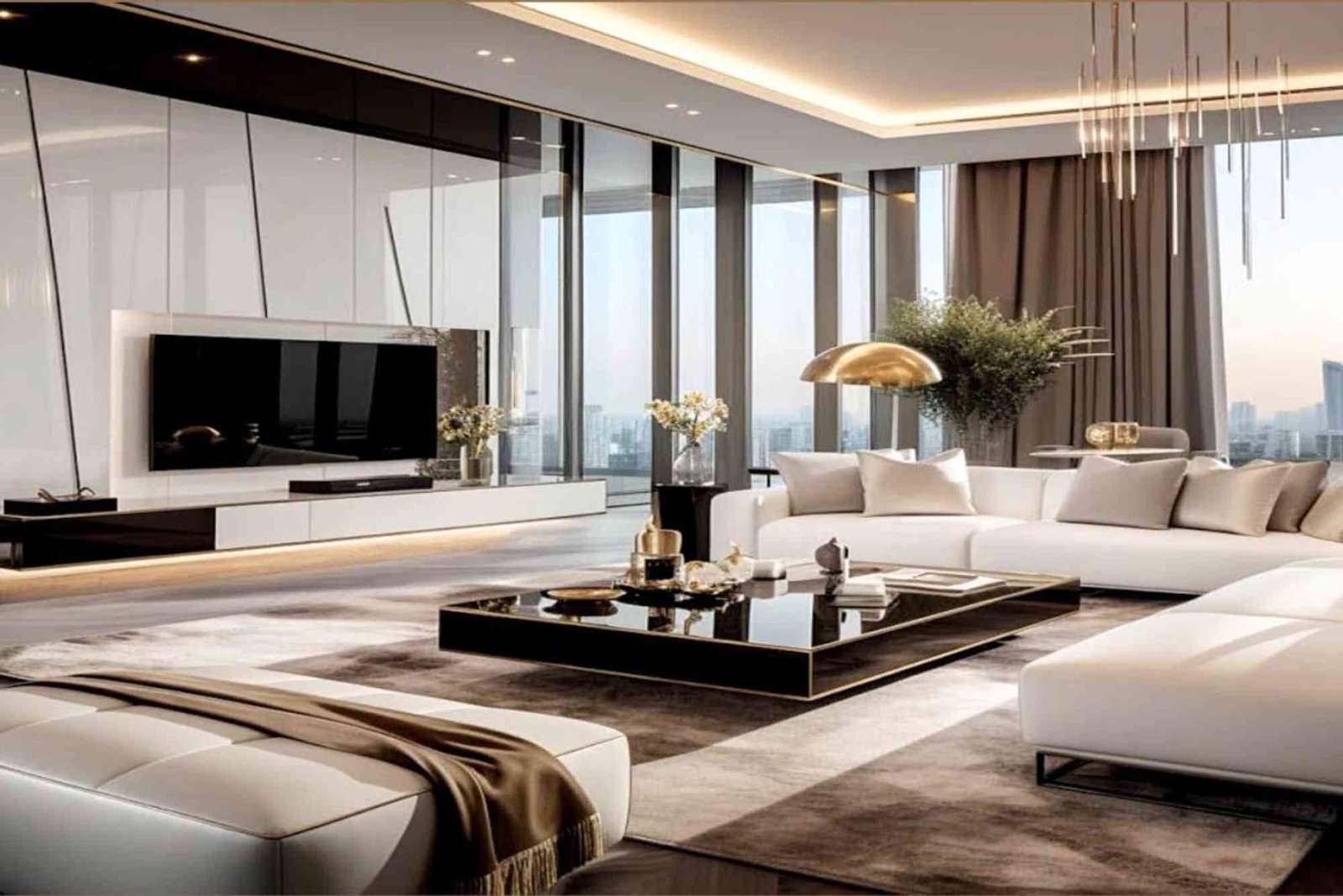
Luxury often communicates itself through texture and materials. You don’t need gold or marble to achieve this; instead, choose high-quality fabrics, tactile surfaces, and finishes that add depth. Soft velvets, crisp linens, or smooth leather can elevate a sofa or chair instantly. Wood finishes, glass accents, and polished metals reflect light and sophistication, giving an impression of elegance. Layering materials creates dimension, and even budget-friendly options like faux marble or high-quality laminates can mimic expensive counterparts effectively. Paying attention to textures ensures your space feels curated and luxurious.
Focus on Lighting
Lighting dramatically influences how a space feels. Luxurious spaces often feature layered lighting, including ambient, task, and accent lights. A well-placed chandelier, sleek pendant light, or strategically positioned floor lamp can instantly elevate a room’s atmosphere. Opt for warm, soft lighting to create a cozy yet upscale ambiance. Even inexpensive lighting upgrades, such as replacing dated fixtures or adding LED strips, can create an expensive feel. Mirrors positioned opposite windows can reflect natural light, amplifying brightness and making spaces appear more open and airy.
Declutter and Simplify
One of the most cost-effective ways to achieve luxury is by embracing simplicity. Clutter diminishes the perception of elegance, while clean, organized spaces suggest intentional design. Invest time in decluttering, organizing storage, and ensuring surfaces are tidy. Luxury is often understated and refined; less truly can be more. Strategic use of negative space around furniture or décor highlights your best pieces and creates a sense of sophistication. Minimalism does not mean empty—it means thoughtful placement and restraint.
Curate Art and Accessories
Art and accessories add personality and a high-end feel. You don’t need to buy originals from famous galleries; carefully selected prints, sculptures, and decorative items can enhance a room’s elegance. Consider oversized artwork for visual impact or unique, handcrafted pieces that tell a story. Accessories like vases, trays, and cushions can introduce textures, colors, and materials that exude refinement. The key is curation: choose fewer, quality items rather than many small, inexpensive pieces that create visual chaos. Strategic placement enhances the luxurious impression.
Upgrade Hardware and Fixtures
Small upgrades often yield outsized results. Replacing door handles, cabinet knobs, faucets, or drawer pulls with elegant alternatives instantly elevates a space. Choose metals like brushed gold, matte black, or polished nickel for a contemporary luxury vibe. These changes are budget-friendly yet provide a noticeable sense of refinement. Even changing showerheads or light switch covers can subtly enhance the perception of quality, proving that luxury is often in the details rather than large-scale renovations.
Invest in Statement Furniture
Statement furniture pieces act as focal points and instantly give a room a designer feel. You don’t need to purchase expensive items; look for quality second-hand pieces or budget-friendly options with sleek designs and clean lines. A well-chosen sofa, armchair, or coffee table can transform the energy of a room. Pay attention to scale, proportion, and color to ensure your furniture harmonizes with the rest of the space. Mixing a few standout items with simpler, functional pieces balances elegance with practicality.
Incorporate Greenery
Plants and flowers are an underrated tool for creating luxury. Indoor plants add life, color, and a sense of freshness to interiors. Large leafy plants in stylish planters instantly make a space feel more sophisticated. Seasonal flowers on tables or shelves create a curated, intentional feel. Greenery also enhances air quality, providing a functional benefit alongside aesthetic value. Even faux plants can work if carefully chosen and well-positioned, maintaining elegance without ongoing maintenance costs.
Use Color Strategically
Color choices can dramatically influence perceived luxury. Rich, deep hues like navy, emerald, or charcoal create a sophisticated palette, while muted tones like cream, beige, and taupe offer timeless elegance. Accent colors in metallics, soft pastels, or jewel tones can provide contrast and interest without overwhelming the space. Layering colors thoughtfully across walls, textiles, and accessories reinforces cohesion and gives the impression of an intentional, high-end design. Avoid overly bright or mismatched colors, which can cheapen the overall effect.
Layer with Textiles
Textiles bring warmth, comfort, and luxury. Consider layering rugs, curtains, throws, and cushions to add depth and richness. Quality does not always mean high cost; even affordable fabrics arranged thoughtfully can look designer. Mixing textures, such as a soft rug over hardwood floors or silk cushions on a velvet sofa, creates tactile interest. Coordinating patterns and colors subtly reinforces cohesion, while tactile appeal communicates sophistication and attention to detail.
Personalize Elegantly
Luxury is also about personalization. Customized touches—like monogrammed linens, framed family photos in elegant frames, or bespoke décor items—convey refinement without excess spending. Personalized elements add emotional value while reinforcing the curated feel of a space. Even small details, such as arranging books by color or theme, or carefully displaying collectibles, create a sense of intentionality associated with high-end living. Thoughtful personalization makes luxury feel attainable and meaningful.
Emphasize Cleanliness and Maintenance
Luxury is inseparable from a sense of care. Clean, well-maintained spaces communicate value and refinement. Regular upkeep of furniture, fabrics, and surfaces ensures they look fresh and inviting. Polished surfaces, spotless mirrors, and dust-free shelves create an atmosphere of attention to detail, which is often the hallmark of expensive environments. Even without major investments, consistent maintenance elevates perception, proving that luxury is not just about what you have but how you present it.
Embrace DIY Creativity
Creative DIY solutions allow you to add luxury elements without overspending. Refinishing furniture, creating your own art, or repurposing items with a sophisticated twist can achieve high-end results at a fraction of the cost. Paint, fabric, and decorative hardware offer endless possibilities for transforming ordinary objects into statement pieces. DIY projects also allow customization and personalization, ensuring your space feels unique and thoughtfully designed.
Adding luxury elements without overspending is entirely achievable with intentional planning, creativity, and focus on detail. By prioritizing quality over quantity, embracing textures and materials, upgrading small elements, and maintaining a clean, organized environment, you can create spaces that feel sophisticated and elegant. Lighting, color, and curated décor play a significant role, while personalized touches make the space truly yours. Remember, luxury is as much about experience and atmosphere as it is about possessions. Start small, focus on impact, and transform your home or lifestyle without straining your budget. By approaching design thoughtfully, you can enjoy the richness and comfort of luxury every day.
Begin your journey toward affordable elegance today. Start with one space, one piece, or one upgrade, and watch how thoughtful design transforms your environment into a luxurious haven without overspending.
Choosing the right aesthetic for your living space can transform how you feel every day. If you’re unsure where to start, check out How to Choose the Perfect Home Decor Theme to find practical tips on matching styles with your personality, optimizing flow, and creating harmony in every room. Dive into this helpful guide here:
FAQ
How can I make my home look luxurious on a tight budget?
Focus on quality over quantity, declutter, add layers of texture, use stylish lighting, and strategically select statement pieces.
Are expensive materials necessary for a luxurious look?
Not at all. Affordable alternatives like faux marble, quality laminates, or well-chosen textiles can mimic high-end materials effectively.
Does lighting really impact luxury perception?
Yes. Proper lighting enhances ambiance, highlights décor, and makes spaces feel sophisticated and welcoming.
Can accessories make a space feel luxurious?
Absolutely. Curated artwork, cushions, throws, and decorative items add personality and elevate the overall design.
Is minimalism important for creating luxury?
Yes. A clean, organized space with thoughtful placement of items often looks more elegant and refined than a cluttered one.