Introduction
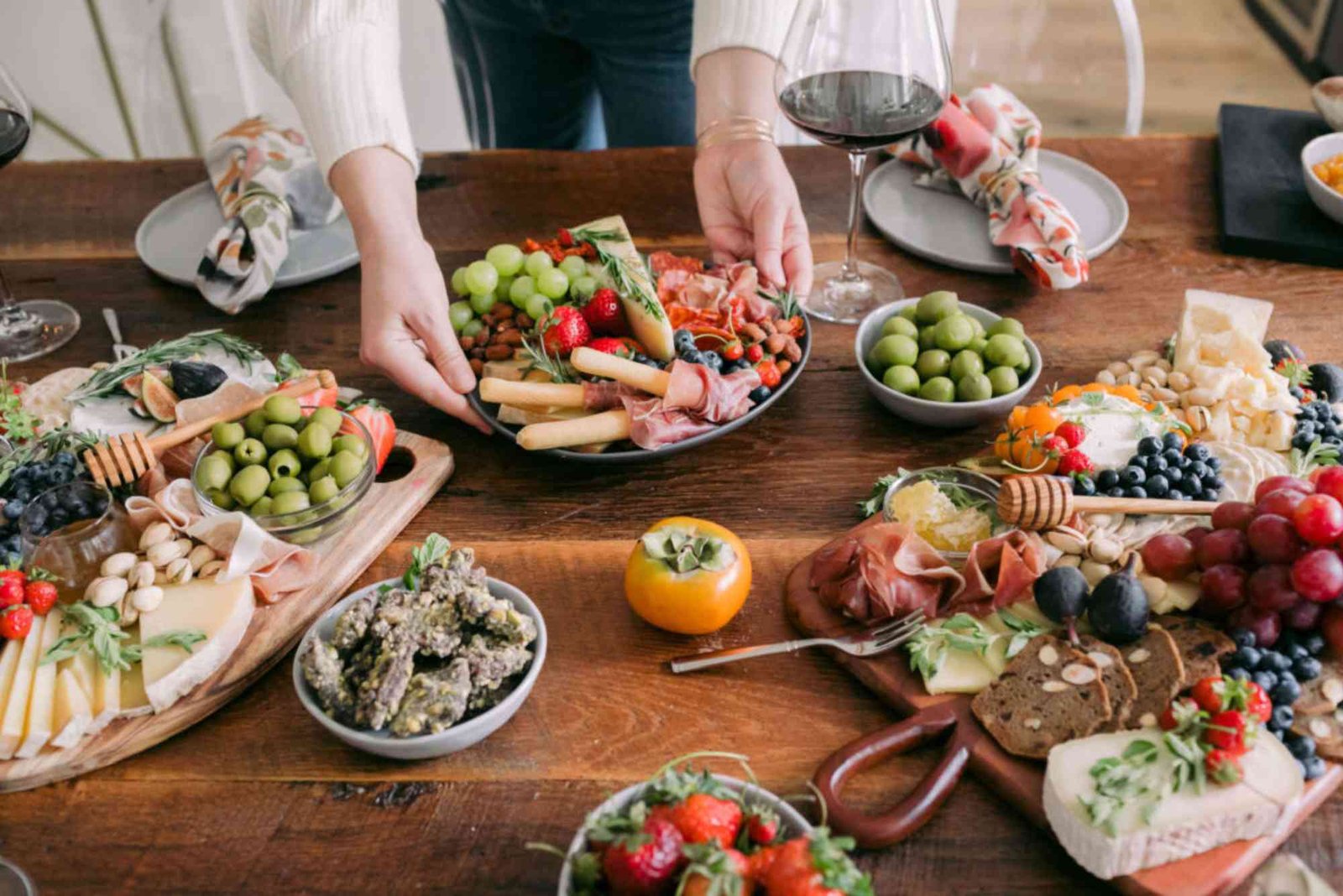
Learning How to Build a Perfect Grazing Board is one of the easiest ways to elevate any gathering. Whether you are hosting a casual family night, a festive holiday party, or a sophisticated dinner with friends, a well-crafted grazing board creates instant impact. It combines flavor, texture, color, and balance into one visually stunning and delicious experience.
A grazing board is more than just food on a wooden board. It reflects creativity, planning, and an understanding of how people eat socially. Guests love the freedom to choose, mix, and taste at their own pace. In this guide, you will learn how to build a perfect grazing board step by step, using practical knowledge and proven presentation techniques that actually work.
What Is a Grazing Board and Why It’s So Popular
A grazing board is a large, shared food display designed for relaxed, informal eating. It often includes cheeses, meats, fruits, breads, dips, and small bites arranged artfully on a board or platter.
The popularity of grazing boards comes from their versatility. They suit almost every occasion and dietary preference. They also encourage conversation and connection. When you know how to build a perfect grazing board, you create an experience, not just a meal.
Choosing the Right Board as Your Foundation
The first step in how to build a perfect grazing board is selecting the right base. Wooden boards are the most popular choice because they add warmth and a natural look. Marble boards offer elegance, while slate boards give a modern, dramatic feel.
Size matters more than shape. Choose a board slightly larger than you think you need. Overcrowding makes the board look messy and uninviting. If you are serving many guests, consider using multiple boards instead of one oversized display.
Understanding Balance Before Adding Food
Balance is the secret behind how to build a perfect grazing board that looks professional. A great board offers variety in taste, texture, color, and temperature. You want salty, sweet, creamy, crunchy, fresh, and rich elements working together.
Avoid repeating similar items. For example, do not use only soft cheeses or only crunchy snacks. Each element should bring something unique to the board while complementing the others.
Selecting Cheeses That Truly Work Together
Cheese is often the centerpiece when learning how to build a perfect grazing board. Aim for variety rather than quantity. A balanced selection usually includes one soft cheese, one semi-hard cheese, and one firm or aged cheese.
Soft cheeses like brie or goat cheese add creaminess. Semi-hard cheeses such as cheddar or gouda provide familiarity. Aged cheeses like parmesan introduce depth and intensity. Let cheeses sit at room temperature before serving to enhance flavor.
Adding Meats That Enhance Flavor Without Overpowering
Cured meats bring salt and richness to a grazing board. Popular choices include salami, prosciutto, and chorizo. When deciding how to build a perfect grazing board, remember that less is more with meats.
Fold or roll meats instead of laying them flat. This creates height and visual interest while making it easier for guests to grab portions. Balance stronger meats with milder options to avoid overpowering the board.
Including Fresh and Dried Fruits for Contrast
Fruits add freshness, sweetness, and color. Grapes, berries, apple slices, and figs are excellent fresh choices. Dried fruits like apricots or dates add chewiness and depth.
When mastering how to build a perfect grazing board, always pair fruits with cheeses they complement. Sweet fruits balance salty cheeses beautifully and cleanse the palate between bites.
Bread, Crackers, and Crunchy Elements
Carbohydrates are essential because they carry flavors and add texture. Include a mix of sliced bread, crackers, and crunchy snacks. Choose neutral options that allow cheeses and spreads to shine.
Arrange bread near cheeses but avoid stacking too much in one place. This keeps the board visually balanced and practical for guests.
Dips, Spreads, and Small Extras That Elevate the Board
Small bowls of dips and spreads bring moisture and richness. Hummus, honey, mustard, or olive tapenade are classic options. Use small bowls to contain messy items and protect the board.
Extras like olives, nuts, or pickles add complexity. These small touches often make the difference when learning how to build a perfect grazing board that feels thoughtful and complete.
How to Arrange Everything Like a Professional
Arrangement is where how to build a perfect grazing board truly comes to life. Start by placing larger items like cheese wedges and bowls first. These act as anchors.
Next, add meats and breads around them. Fill empty spaces with fruits, nuts, and smaller items. Avoid symmetry. A natural, flowing layout looks more inviting. Leave small gaps so each item stands out.
Color and Visual Appeal Matter More Than You Think
Color plays a major role in how people perceive food. A perfect grazing board uses contrast to attract attention. Combine light and dark items, vibrant fruits, and neutral elements.
Green herbs like rosemary or basil can be used as simple garnishes. They add freshness without overwhelming the board. This visual detail reinforces how to build a perfect grazing board that feels intentional.
Portion Planning for Different Occasions
Understanding portions is part of knowing how to build a perfect grazing board that satisfies guests. For a light snack, smaller portions work well. For a meal replacement, increase proteins and breads.
As a general rule, grazing boards work best when they feel abundant but not excessive. Guests should feel encouraged to explore without feeling overwhelmed.
Adapting Grazing Boards for Dietary Needs
One of the strengths of grazing boards is flexibility. You can easily adapt them for vegetarian, vegan, or gluten-free guests. Labeling certain items subtly can also help.
When learning how to build a perfect grazing board for diverse guests, separation is key. Keep allergen-sensitive items slightly apart to avoid cross-contact.
Common Mistakes to Avoid
Overcrowding is the most common mistake. Too many items confuse guests and ruin presentation. Another mistake is ignoring temperature. Cold cheese lacks flavor, while warm meats can feel greasy.
Finally, avoid placing wet items directly on the board. Always use bowls or parchment where needed. These small details protect your board and your reputation as a thoughtful host.
How to Prepare Ahead Without Losing Freshness
Preparation saves time and reduces stress. Many elements can be prepared in advance, including slicing cheese and washing fruit. Store items properly and assemble the board close to serving time.
Knowing how to build a perfect grazing board also means knowing when to stop. Assemble just before guests arrive to keep everything fresh and appealing.
FAQs
What should I put on a grazing board?
A grazing board usually includes cheeses, cured meats, fruits, breads, crackers, and small extras like nuts or dips. Balance is key.
How far in advance can I prepare a grazing board?
Most components can be prepared a day ahead, but assemble the board within an hour of serving for best results.
How much food do I need for a grazing board?
Plan based on the event. For light snacking, smaller portions work. For meals, increase protein and bread amounts.
What is the best board material to use?
Wood is the most popular choice due to its warmth and presentation. Marble and slate also work well.
How do I keep a grazing board fresh during a party?
Place the board in a cool area, refresh items as needed, and avoid direct sunlight or heat sources.
Create Your Own Perfect Grazing Experience
Now that you know how to build a perfect grazing board, you can confidently create displays that impress and satisfy. From choosing the right ingredients to arranging them beautifully, every step adds value to the final result.
A great grazing board is not about perfection. It is about balance, generosity, and enjoyment. Use these techniques to experiment, personalize, and refine your style