Introduction
In recent years, the rise of edge computing has reshaped the way data is processed, stored, and analyzed across industries. As the demand for faster, more efficient digital services grows, traditional cloud computing often struggles to keep up with real-time processing needs. Edge computing addresses this challenge by bringing computation closer to the source of data, enabling low-latency applications and smarter decision-making. This technology is not only transforming enterprises but also redefining the future of the internet and connected devices.
Understanding Edge Computing
Edge computing refers to the practice of processing data near its point of origin rather than relying solely on centralized cloud servers. By reducing the distance data travels, it enhances speed, minimizes latency, and lowers bandwidth usage. Unlike cloud computing, which requires data to travel to a remote server, edge computing allows devices, sensors, and local servers to handle real-time processing.
How Edge Computing Works
Edge computing works by deploying computational resources at or near data-generating devices. These resources could be gateways, edge servers, or even embedded computing in IoT devices. Data can be processed locally, and only the necessary information is sent to the central cloud for storage or further analysis. This hybrid approach ensures efficiency while maintaining the benefits of cloud integration.
Key Components of Edge Computing
The essential components include edge devices, edge servers, and network connectivity. Edge devices are the sensors, smartphones, or machinery generating data. Edge servers provide the processing power required to analyze this data locally. Strong network connectivity ensures seamless communication between the edge and central systems. Together, these components form a robust framework that supports a wide range of applications.
Factors Driving the Rise of Edge Computing
Several technological and market trends are fueling the growth of edge computing. As digital transformation accelerates, businesses and consumers demand faster, smarter, and more reliable systems.
The Explosion of IoT Devices
The proliferation of Internet of Things (IoT) devices is a major driver of edge computing. Smart homes, industrial sensors, wearable devices, and autonomous vehicles generate massive amounts of data every second. Sending all this data to centralized servers is inefficient and often impractical. Edge computing allows these devices to process information locally, enabling real-time decision-making and reducing dependency on distant servers.
The Need for Low Latency
Certain applications, such as autonomous vehicles, augmented reality, and industrial automation, require near-instantaneous data processing. Even milliseconds of delay can have significant consequences. Edge computing reduces latency by handling computations close to the data source. This capability is crucial for industries where split-second decisions are essential for safety, efficiency, or user experience.
Bandwidth Efficiency
The rise of streaming services, cloud gaming, and smart city infrastructure has dramatically increased data traffic. Transmitting all this data to central servers consumes massive bandwidth and can strain networks. Edge computing optimizes bandwidth by processing data locally and sending only relevant information to the cloud. This approach reduces network congestion and lowers operational costs for enterprises and service providers.
Enhanced Security and Privacy
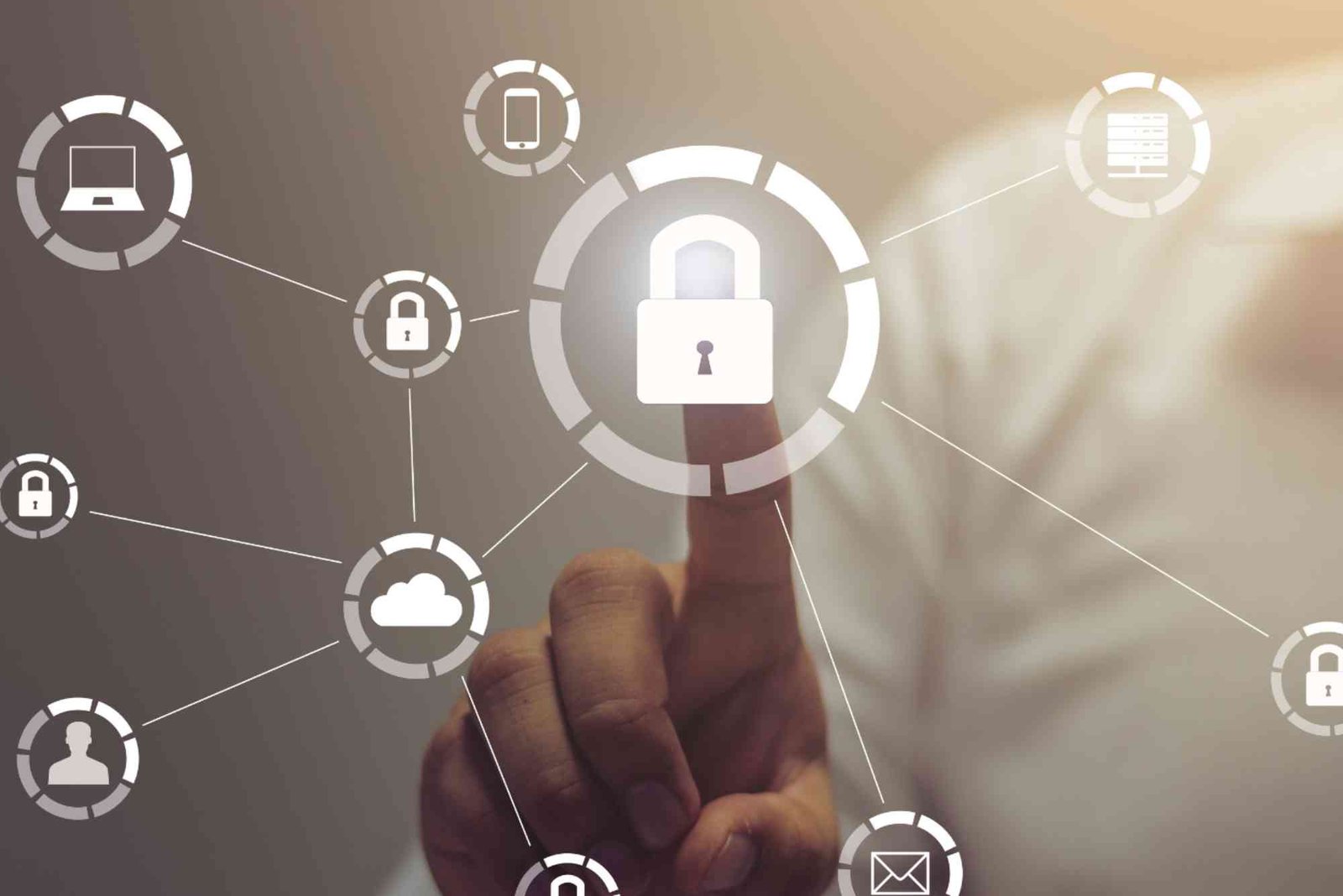
Processing data at the edge can also enhance security and privacy. Sensitive information can remain within local systems rather than being transmitted across networks, reducing exposure to cyber threats. Edge computing allows organizations to comply with stricter data privacy regulations while still leveraging the power of distributed computing.
Applications of Edge Computing
Edge computing is no longer a futuristic concept; it is actively transforming multiple industries today. Its applications span healthcare, retail, transportation, manufacturing, and beyond.
Healthcare
In healthcare, edge computing enables real-time monitoring of patient data from wearable devices and hospital equipment. Medical professionals can receive instant alerts about critical changes in patient conditions, improving response times and outcomes. Edge computing also supports telemedicine and remote diagnostics by reducing latency in live video consultations.
Manufacturing and Industry 4.0
Industrial environments benefit from edge computing by monitoring machinery in real-time, predicting maintenance needs, and preventing downtime. Factories equipped with edge-enabled devices can collect and analyze data locally, improving operational efficiency and reducing costs. This capability is central to the Industry 4.0 revolution, where smart factories rely on rapid data-driven decision-making.
Smart Cities and Transportation
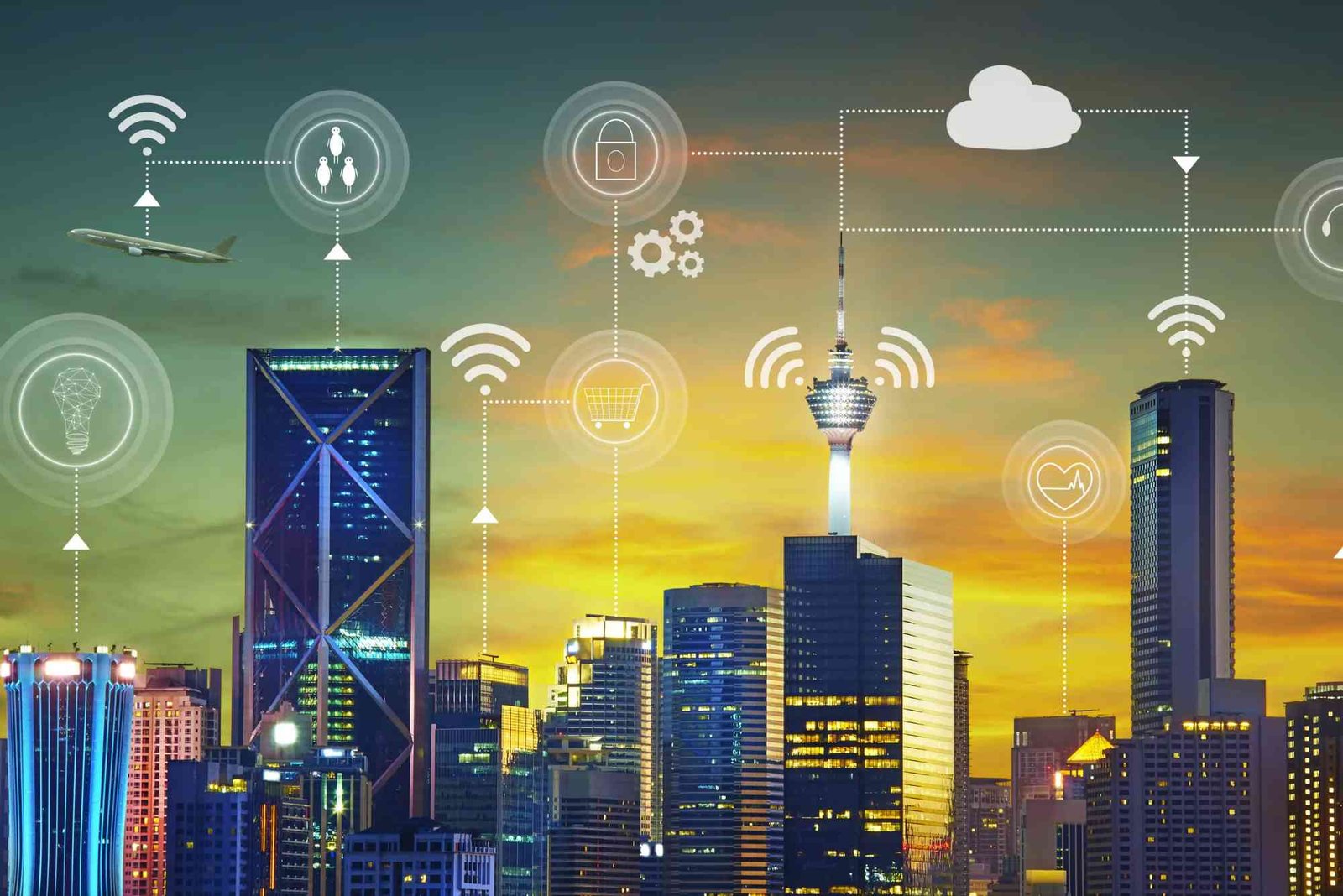
Edge computing powers smart city initiatives by managing traffic systems, energy grids, and public safety networks in real-time. Autonomous vehicles also rely heavily on edge processing to interpret sensor data instantly, navigate safely, and communicate with other vehicles and infrastructure. Without edge computing, self-driving cars would struggle with delays caused by distant cloud servers.
Retail and Customer Experience
Retailers leverage edge computing to provide personalized experiences, optimize inventory management, and track customer behavior in real-time. For instance, smart checkout systems and digital signage rely on local processing to operate smoothly without cloud-induced delays. This approach enhances customer satisfaction while improving operational efficiency.
Challenges of Edge Computing
Despite its advantages, the rise of edge computing comes with challenges that organizations must address.
Infrastructure Costs
Deploying edge computing requires investments in hardware, software, and connectivity. Edge servers and devices must be installed, maintained, and updated regularly. While these costs are decreasing, enterprises need careful planning to ensure cost-effectiveness and scalability.
Security Concerns
Although edge computing can improve data security, it also introduces new vulnerabilities. Each edge device becomes a potential entry point for cyberattacks. Ensuring robust security protocols, device authentication, and regular software updates is essential to mitigate risks.
Interoperability and Standards
The edge ecosystem consists of diverse devices, operating systems, and communication protocols. Achieving seamless interoperability is a challenge, and standardized frameworks are still evolving. Businesses must adopt flexible solutions that can integrate with existing IT infrastructure while supporting future growth.
Data Management
Handling vast volumes of data at the edge requires efficient management strategies. Not all data needs to be stored permanently, but determining which information to process locally and which to send to the cloud can be complex. Intelligent algorithms and AI-based analytics play a key role in optimizing data management at the edge.
The Future of Edge Computing
The future of edge computing looks promising, with continued adoption across industries and integration with emerging technologies. As 5G networks expand globally, edge computing will become even more critical in enabling real-time applications that demand high speed and low latency.
Artificial intelligence (AI) and machine learning (ML) are also expected to play a significant role in edge computing. By embedding AI models into edge devices, organizations can achieve smarter automation and predictive capabilities without relying on central cloud systems.
Furthermore, edge computing will drive innovation in hybrid cloud environments, where edge and cloud systems work together seamlessly. Businesses will benefit from the agility of edge processing combined with the storage and analytical power of the cloud.
The rise of edge computing represents a paradigm shift in how data is processed and utilized. By bringing computation closer to the source, businesses and consumers can enjoy faster responses, lower latency, and more secure data handling. As industries continue to embrace IoT, AI, and 5G, edge computing will play an increasingly vital role in shaping the digital landscape.
Organizations that adopt edge computing strategically can gain a competitive advantage, improve operational efficiency, and deliver enhanced customer experiences. Whether in healthcare, manufacturing, retail, or smart cities, edge computing is not just a technological trend—it is a necessary step toward a faster, smarter, and more connected world.
If you are looking to stay ahead in technology, now is the time to explore how edge computing can transform your business operations and digital services. Embrace the future of data processing today.
FAQ
What is edge computing and how does it work?
Edge computing is the process of analyzing and processing data near its source. Devices, sensors, or local servers handle computations, reducing latency and bandwidth usage while ensuring faster responses.
Why is edge computing important?
Edge computing is crucial for real-time applications such as autonomous vehicles, industrial automation, and smart cities. It improves speed, reduces latency, optimizes bandwidth, and enhances data security.
How is edge computing different from cloud computing?
Cloud computing relies on centralized servers to process data, which can cause delays. Edge computing processes data locally, near the device or sensor, allowing instant decisions and faster responses.
What are the challenges of edge computing?
Key challenges include infrastructure costs, security vulnerabilities, interoperability issues, and effective data management strategies for processing large volumes of information at the edge.
Which industries benefit most from edge computing?
Healthcare, manufacturing, retail, transportation, and smart cities gain significant advantages from edge computing due to real-time data needs, automation, and improved operational efficiency.