Introduction
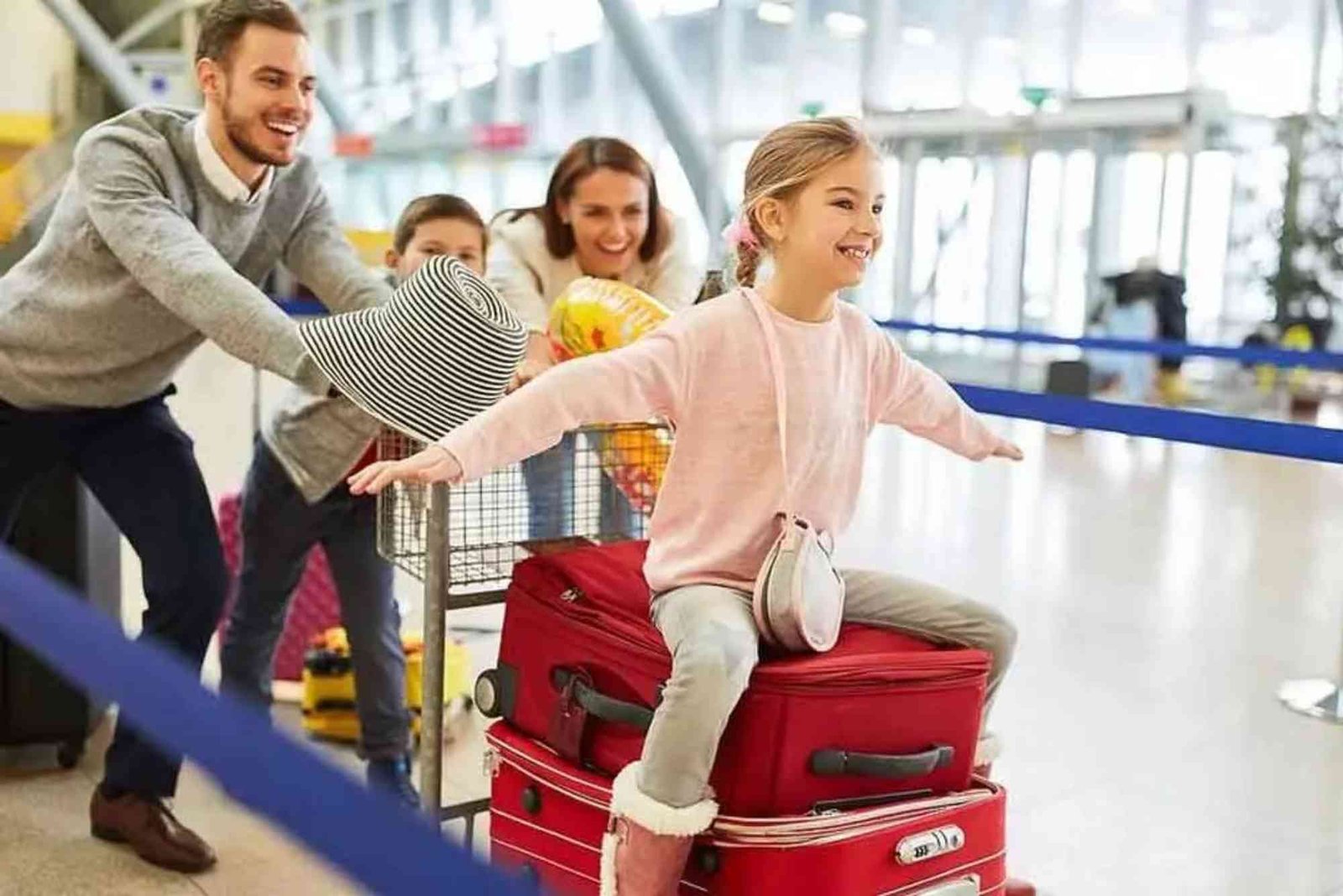
Traveling with children can be both exhilarating and challenging. While family trips create lifelong memories, they also come with unique obstacles that require preparation, patience, and creativity. “The Ultimate Guide to Traveling with Kids” aims to help parents navigate every stage of family travel, from planning to arrival, so that every journey is enjoyable for both adults and children.
Understanding the Challenges of Traveling with Kids
Traveling with children is very different from solo or adult-only trips. Kids often have shorter attention spans, need frequent breaks, and can easily become restless during long journeys. Unlike adults, they may struggle to adjust to new routines, foods, and environments. Understanding these challenges before departure is crucial. Anticipating potential stressors, such as delayed flights, crowded airports, or unfamiliar accommodations, can make a huge difference in keeping the trip smooth and enjoyable.
Planning Your Trip: The Key to Success
Planning is the foundation of a successful family vacation. Start by choosing destinations that cater to children’s interests while offering comfort for adults. Look for places with family-friendly accommodations, attractions suitable for various ages, and easy access to medical facilities. Prioritize destinations where travel times are manageable to minimize long stretches of boredom or discomfort.
Creating a travel itinerary that balances sightseeing and downtime is also essential. Overloading your schedule can lead to cranky children and stressed parents. Build flexibility into your plans, allowing time for naps, spontaneous play, or exploring local parks. A well-thought-out plan reduces anxiety and ensures that everyone enjoys the journey.
Packing Smart for a Family Trip
Packing for a family trip requires strategic thinking. Begin by making a comprehensive packing list for each family member, including clothing suitable for the destination’s climate, toiletries, and essential medications. Remember to pack extra layers and comfortable shoes, as children often need them unexpectedly.
Consider bringing compact entertainment options like coloring books, puzzles, or digital devices with preloaded games and movies. Snacks are equally crucial; healthy, non-messy options can prevent mid-journey meltdowns. A well-packed travel bag can turn long flights, car rides, or train trips into manageable experiences for everyone.
Preparing Kids for the Journey
Preparation starts at home. Explain the trip to your children, including what to expect, the mode of transportation, and the duration of travel. This reduces anxiety and helps them feel involved. Role-playing airport procedures, such as security checks, or discussing hotel check-ins, can make unfamiliar experiences more predictable and less intimidating.
Setting expectations is also important. Let children know about rules during travel, such as staying seated on a plane or not wandering in crowded areas. Clear communication fosters cooperation and helps everyone enjoy the adventure.
Choosing the Right Transportation
Selecting the appropriate mode of transportation depends on your destination, budget, and the ages of your children. Air travel is often the fastest option but requires managing security checks, baggage, and delays. Train travel offers space to move around and often a scenic experience, while road trips allow flexibility with stops and pacing.
When traveling by plane, consider booking flights during your child’s nap time. Bringing a stroller that folds easily or a baby carrier can help navigate airports efficiently. For car journeys, pack a travel-friendly first-aid kit, plan rest stops, and engage children with games or audiobooks to make the ride smoother.
Accommodations for Families
Choosing family-friendly accommodations is a vital aspect of traveling with kids. Look for hotels or rentals that provide amenities like cribs, high chairs, and laundry facilities. Accommodations with kitchenettes or easy access to restaurants can simplify meal times.
Some resorts or hotels offer kid-friendly activities or supervised play areas. While these are not essential, they provide children with entertainment while adults relax or plan excursions. Reading reviews from other families can give insights into how well a property accommodates young travelers.
Managing Meals and Nutrition
Feeding children during travel can be challenging, especially in destinations with unfamiliar cuisines. Prioritize options that meet nutritional needs while being acceptable to picky eaters. Carry familiar snacks and small meal items for emergencies.
Dining out can be an adventure itself. Encourage children to try local dishes gradually, mixing them with familiar favorites to reduce resistance. Staying hydrated is equally important, particularly in hot climates or during long journeys. Preparing for food needs ahead of time prevents stress and ensures children stay healthy and energetic.
Keeping Kids Entertained
Entertainment is a cornerstone of successful travel with children. Provide a variety of options suited to different ages, from interactive toys and books to music and movies. For older children, engaging activities like scavenger hunts, travel journals, or photography can make trips more exciting and educational.
Incorporate downtime for free play, which allows kids to explore their surroundings safely and enjoy moments of creativity. Keeping children engaged reduces irritability and gives parents a chance to relax. Small surprises, like stickers or souvenirs, can also add excitement to each day.
Handling Travel Stress
Travel can be overwhelming for children and adults alike. Expect occasional tantrums or disagreements and respond with patience. Maintain routines as much as possible, especially bedtime schedules, to help children feel secure.
Mindful strategies, such as deep breathing, gentle reminders, or quiet breaks, can calm overstimulated children. Communicating openly and positively about delays or unexpected changes fosters resilience. When parents stay calm, children often mirror that behavior, resulting in a smoother experience for the entire family.
Safety Tips for Traveling with Children
Safety is paramount while traveling with kids. Always keep identification and emergency contact information on hand. Discuss basic safety rules, such as staying close in crowded places or what to do if separated from parents.
For younger children, consider wristbands with contact information or GPS trackers. When visiting beaches, amusement parks, or natural areas, supervise children closely and adhere to safety guidelines. Being proactive about potential risks ensures peace of mind for parents and keeps children safe.
Encouraging Learning Through Travel
Traveling offers countless learning opportunities for children. Visiting historical sites, museums, or cultural festivals exposes them to new ideas and experiences. Encourage curiosity by asking questions, sharing stories, and connecting experiences to school lessons.
Even everyday experiences, such as navigating public transportation, ordering food, or observing wildlife, can enhance problem-solving and social skills. Travel becomes more enriching when children actively engage with their surroundings.
Balancing Relaxation and Exploration
A successful family trip balances structured activities and relaxation. Avoid overloading the itinerary with sightseeing, as children often need unstructured time to recharge. Beach days, park visits, or leisurely walks allow families to enjoy moments together without stress.
Listening to children’s needs and adjusting plans accordingly creates a harmonious environment. Flexibility is key—sometimes, a spontaneous break can become the most memorable part of the trip.
Traveling with Children of Different Ages
When traveling with multiple children, age differences can create challenges. Plan activities that cater to varying interests, allowing everyone to participate and feel included. Younger children may need more naps and snacks, while older kids may enjoy excursions or sports activities.
Creating a shared travel routine, such as family mealtime or evening storytelling, fosters cohesion. Involving older children in planning or decision-making empowers them and encourages cooperation from younger siblings.
Post-Travel Considerations
Returning home can be an adjustment, especially after long or international trips. Allow time for children to readjust to routines and sleep schedules. Organize travel souvenirs or photos to create a memory scrapbook, reinforcing positive experiences.
Discuss the trip as a family, encouraging children to share favorite moments and lessons learned. Reflecting on travel experiences strengthens family bonds and inspires future adventures.
Traveling with kids requires planning, patience, and adaptability, but the rewards are immeasurable. When approached with preparation and a positive mindset, family travel can foster creativity, learning, and lifelong memories. Remember to balance structure with flexibility, prioritize safety and comfort, and engage children in meaningful ways. Every trip is an opportunity to explore the world together, learn from each other, and create stories that children will cherish forever. Start planning your next adventure and make family travel an unforgettable experience today.
FAQ
How do I keep my kids entertained on long flights?
Bring small toys, books, or electronic devices. Allow them to stretch and walk in the aisle periodically.
What’s the best way to handle jet lag in children?
Adjust sleep schedules gradually before travel, and expose children to natural light upon arrival to reset their internal clocks.
How can I find family-friendly accommodations?
Look for hotels or rentals with amenities like cribs, play areas, and kitchenettes. Check reviews from other families for insights.
What should I pack for traveling with kids?
Pack clothing suitable for the climate, essential toiletries, snacks, entertainment, first-aid items, and extra layers for unexpected needs.
How do I manage meals for picky eaters while traveling?
Bring familiar snacks, introduce new foods gradually, and allow children to mix local dishes with their preferred options.
Is it better to travel by plane, train, or car with kids?
It depends on destination and children’s ages. Planes are faster, trains offer movement, and cars provide flexibility with stops and timing.