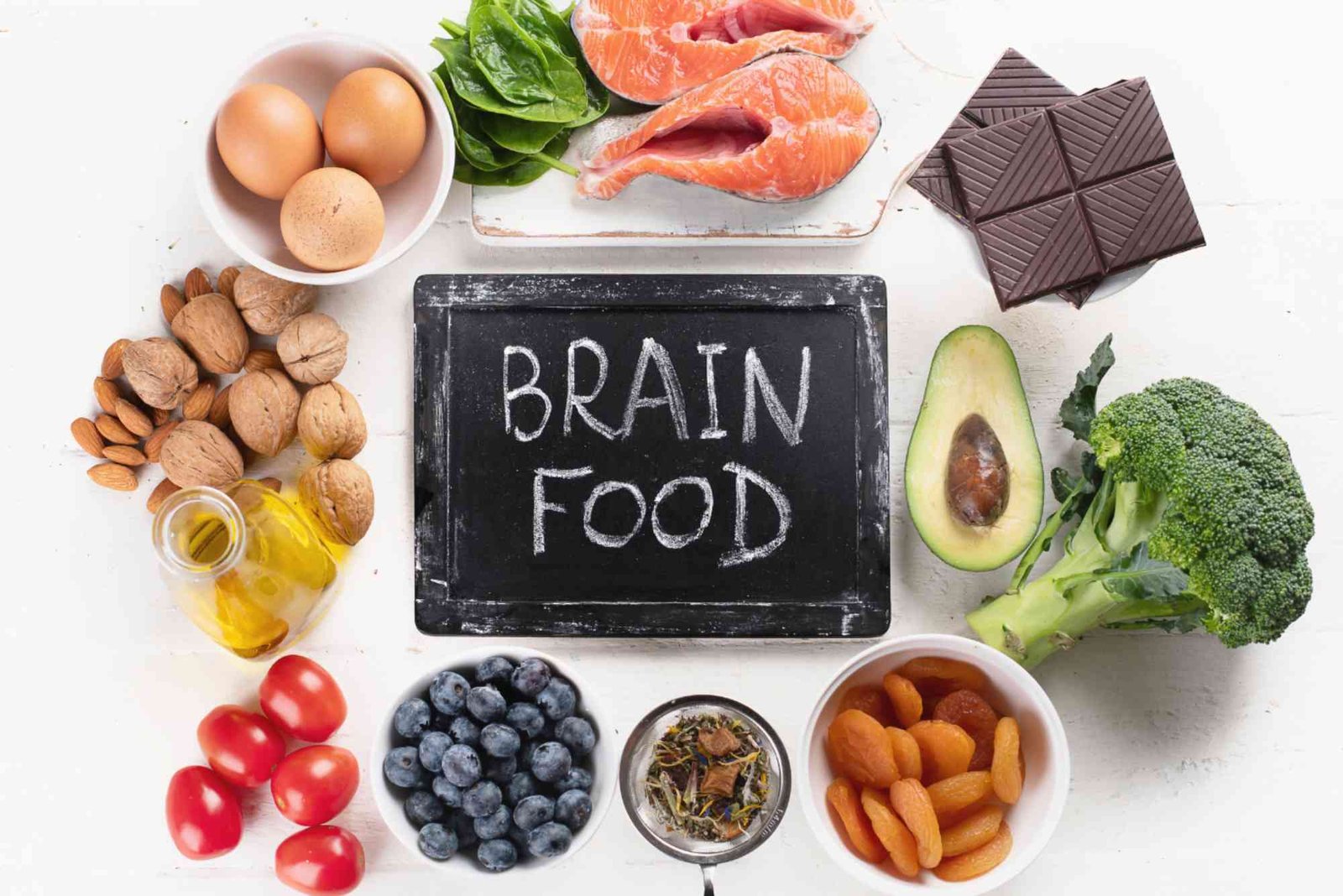
Introduction
The human brain is one of the most powerful and complex organs in the body. It controls memory, focus, emotions, learning, and decision-making. What many people do not realize is that the brain requires specific nutrients to perform at its best. Eating the right foods daily can significantly enhance cognitive performance and protect long-term brain health. This article explores the Top Foods That Help Boost Brain Function, explaining how they work and how you can include them in your routine for better mental clarity and focus.
Modern lifestyles often involve stress, screen exposure, and poor dietary habits. As a result, brain fatigue, poor concentration, and memory issues have become common. Fortunately, research shows that certain foods can support brain function naturally. By making smarter food choices, you can sharpen your mind and protect your cognitive abilities as you age.
How Nutrition Impacts Brain Health
The brain consumes nearly 20 percent of the body’s energy. This means that what you eat directly affects how your brain functions. Nutrients like omega-3 fatty acids, antioxidants, vitamins, and minerals support brain cell communication and reduce inflammation.
A diet rich in brain-boosting foods helps improve memory, reaction time, and focus. It also lowers the risk of neurodegenerative diseases. Understanding how nutrition fuels the brain is the first step toward building a sharper and healthier mind.
Fatty Fish and Cognitive Performance
Fatty fish is widely recognized as one of the Top Foods That Help Boost Brain Function. Fish like salmon, sardines, and mackerel are rich in omega-3 fatty acids. These fats are essential for building brain cell membranes.
Omega-3s support learning and memory while reducing inflammation in the brain. Regular consumption of fatty fish has been linked to slower cognitive decline and improved mental performance. People who eat fish regularly often show better memory retention and faster processing speeds.
Including fatty fish two to three times a week can make a noticeable difference in brain health.
Nuts and Seeds for Mental Sharpness
Nuts and seeds provide healthy fats, antioxidants, and vitamin E. Vitamin E plays a critical role in protecting brain cells from oxidative stress. This protection becomes even more important with age.
Almonds, walnuts, flaxseeds, and sunflower seeds support memory and concentration. Walnuts, in particular, resemble the shape of the brain and contain omega-3 fatty acids that enhance neural communication.
Adding a handful of nuts or seeds to your daily meals supports consistent brain energy throughout the day.
Whole Grains and Steady Brain Energy
The brain depends on a steady supply of glucose to function properly. Whole grains provide slow-releasing carbohydrates that maintain stable blood sugar levels. This steady energy helps improve focus and alertness.
Whole grains like oats, brown rice, and whole wheat bread support mental endurance. Unlike refined carbs, they prevent energy crashes that lead to brain fog.
Choosing whole grains over processed foods supports sustained mental performance and long-term brain health.
Dark Chocolate and Cognitive Boost
Dark chocolate contains flavonoids, caffeine, and antioxidants that enhance brain function. These compounds increase blood flow to the brain, improving attention and problem-solving skills.
Consuming moderate amounts of dark chocolate can enhance mood and memory. It also supports learning by increasing neural plasticity.
Opt for dark chocolate with a high cocoa content to gain the most brain-boosting benefits.
Leafy Greens and Brain Protection
Leafy green vegetables are among the Top Foods That Help Boost Brain Function due to their high nutrient density. Spinach, kale, and broccoli contain folate, vitamin K, and antioxidants.
These nutrients help slow cognitive decline and improve memory. Leafy greens also support detoxification processes that protect brain cells.
Including greens in daily meals helps maintain brain health and mental clarity over time.
Eggs and Brain Development
Eggs are a powerful source of nutrients essential for brain function. They contain choline, which supports memory and learning. Choline is necessary for producing neurotransmitters involved in communication between brain cells.
Eggs also provide vitamin B12, which supports nerve function and prevents cognitive decline. Consuming eggs regularly helps maintain mental sharpness and brain efficiency.
Eating eggs as part of a balanced diet contributes to long-term cognitive performance.
Berries and Memory Enhancement
Berries are rich in antioxidants that protect the brain from oxidative stress. Blueberries, strawberries, and blackberries are especially beneficial for memory.
Studies suggest that berries improve communication between brain cells. They also delay age-related memory loss and enhance learning ability.
Adding berries to breakfast or snacks provides a natural way to improve cognitive function.
Coffee and Brain Alertness
Coffee is known for improving alertness and concentration. It contains caffeine and antioxidants that enhance brain activity. Caffeine blocks adenosine, a neurotransmitter that promotes sleepiness.
Regular coffee consumption has been linked to improved reaction time and focus. It may also reduce the risk of neurological diseases.
Moderate coffee intake supports mental clarity without overstimulation.
Turmeric and Brain Inflammation
Turmeric contains curcumin, a compound with strong anti-inflammatory properties. Curcumin crosses the blood-brain barrier and supports brain health.
It improves memory and stimulates the growth of new brain cells. Turmeric also reduces the risk of depression by boosting serotonin levels.
Using turmeric in meals supports long-term brain protection and cognitive resilience.
Oranges and Mental Alertness
Oranges are an excellent source of vitamin C. This vitamin helps prevent mental decline and protects brain cells from damage.
Vitamin C supports neurotransmitter production and enhances mental alertness. One orange per day can provide sufficient vitamin C for brain health.
Fresh fruits like oranges support both physical and mental wellness.
Green Tea and Cognitive Focus
Green tea contains caffeine and L-theanine, which work together to improve focus and relaxation. This combination enhances attention without causing jitteriness.
Green tea also contains antioxidants that protect brain cells. Regular consumption supports learning, memory, and calm concentration.
Drinking green tea daily can support sustained mental performance.
Avocados and Blood Flow to the Brain
Avocados provide healthy monounsaturated fats that support blood flow to the brain. Proper circulation ensures oxygen and nutrients reach brain cells efficiently.
They also contain vitamin K and folate, which support cognitive function. Healthy fats help maintain brain structure and prevent inflammation.
Including avocados in meals supports both heart and brain health.
Nourish Your Brain for Lifelong Performance
The brain thrives on proper nutrition. Choosing the Top Foods That Help Boost Brain Function can improve memory, focus, and mental clarity at any age. From fatty fish and leafy greens to berries and dark chocolate, these foods support cognitive health naturally.
Small, consistent dietary changes can lead to noticeable improvements in brain performance. Start by adding one or two brain-boosting foods to your daily routine. Over time, your brain will thank you with better focus and sharper thinking.
Take action today. Make brain-friendly foods a priority and invest in your mental health for the future.
Frequently Asked Questions
What foods improve brain function the most?
Foods rich in omega-3s, antioxidants, and vitamins improve brain function. Fatty fish, berries, leafy greens, and nuts are among the most effective.
Can food really improve memory and focus?
Yes, food directly affects brain chemistry and energy levels. Proper nutrition enhances memory, concentration, and mental clarity over time.
How often should I eat brain-boosting foods?
Brain-boosting foods should be included daily or several times a week. Consistency is key for long-term cognitive benefits.
Are brain foods helpful for students and professionals?
Absolutely. Students and professionals benefit from improved focus, learning ability, and stress management through brain-supportive diets.
Do brain-boosting foods prevent cognitive decline?
While no food guarantees prevention, a healthy diet reduces the risk of cognitive decline and supports long-term brain health.