
Introduction
Travel is one of life’s greatest joys, offering opportunities to explore new cultures, cuisines, and landscapes. Yet, safety remains a top concern for many travelers. Knowing how to find the safest travel destinations ensures peace of mind while allowing you to enjoy every moment of your trip. Safety is not just about crime statistics; it also includes healthcare access, natural disaster preparedness, political stability, and cultural respect. This guide will provide actionable advice on identifying secure destinations, helping you make informed travel decisions.
Understanding Travel Safety
What Safety Really Means
When searching for safe destinations, it’s essential to consider multiple dimensions of safety. Personal safety involves low crime rates and reliable law enforcement. Health safety requires access to clean water, sanitation, and medical facilities. Environmental safety looks at natural hazards such as earthquakes, hurricanes, or extreme weather. Political stability ensures that travelers are unlikely to encounter civil unrest or sudden travel restrictions. Each of these factors contributes to the overall sense of security you experience abroad.
The Role of Reliable Information
Accurate and current information is critical in assessing safety. Government travel advisories, local news outlets, and reputable travel forums provide valuable insights. Avoid relying solely on anecdotal reports, as experiences can vary widely. Combining multiple sources allows you to build a realistic picture of a destination’s safety profile.
Researching Your Destination
Using Government and International Resources
Government travel advisories are one of the most trusted sources of safety information. For example, the U.S. Department of State, the UK Foreign Office, and Canada’s travel advisories provide detailed evaluations of countries, including safety warnings, crime levels, and health risks. International organizations like the World Health Organization (WHO) or the Centers for Disease Control and Prevention (CDC) offer updates on disease outbreaks and health-related concerns. Regularly checking these sources before and during travel helps you stay informed.
Exploring Local Insights
Engaging with locals or recent travelers provides a ground-level perspective. Social media groups, travel blogs, and online forums like TripAdvisor or Reddit can reveal potential safety issues not covered in official reports. Ask questions about areas to avoid, public transportation safety, and neighborhood reputations. Locals often share tips that make travel safer and more enjoyable.
Considering Crime and Law Enforcement
Low crime rates are a fundamental factor in determining safety. Research statistics on violent crime, petty theft, and scams. Some destinations may be generally safe but have certain neighborhoods to avoid. Understand local laws, customs, and regulations, as legal troubles abroad can escalate quickly. Being informed about regional crime patterns helps you make better decisions about where to stay and how to move around.

Health and Medical Preparedness
Access to Quality Healthcare
Even a minor illness or injury can become serious when traveling far from home. Investigate the quality and availability of medical services in your destination. Cities with well-developed healthcare infrastructure generally offer more reliable emergency care. Some countries require proof of health insurance or vaccinations; checking these requirements in advance is vital.
Vaccinations and Preventive Measures
Vaccinations and preventive healthcare play a crucial role in safe travel. Certain destinations may expose travelers to diseases not commonly found at home. Consult with a travel clinic or healthcare provider to ensure you are properly prepared. Carry essential medications, and understand local pharmacy availability. Preventive planning reduces health risks and provides confidence while exploring new places.
Environmental and Seasonal Considerations
Weather and natural disasters can affect travel safety. Research seasonal patterns, such as monsoons, hurricanes, or heatwaves. Avoid traveling during high-risk periods if possible. Understanding local geography and environmental hazards allows you to prepare effectively, from packing suitable clothing to securing accommodations in safer locations.
Cultural and Social Awareness
Respecting Local Customs
Understanding and respecting cultural norms is key to personal safety. In some destinations, certain behaviors, dress codes, or gestures may be considered offensive or even illegal. Learning about local etiquette before arrival reduces misunderstandings and potential conflicts.
Avoiding Risky Situations
Cultural awareness extends to social interactions. Some places may have gender-specific safety concerns, while others may require caution when exploring nightlife or public spaces. Following local advice and avoiding high-risk scenarios ensures safer travel experiences.
Language and Communication
Language barriers can complicate safety. Learning basic phrases or carrying a translation app can help navigate emergencies, ask for directions, or communicate with authorities. Being able to express yourself increases confidence and minimizes misunderstandings.
Planning Your Itinerary Strategically
Choosing Accommodations Wisely
Your choice of accommodation significantly affects safety. Look for reputable hotels or rental properties with positive reviews and security measures in place. Well-lit neighborhoods with good access to transportation are preferable. Some platforms provide detailed neighborhood insights, which can help you avoid unsafe areas.
Transportation Safety
Research transportation options thoroughly. Reliable public transit, licensed taxis, and reputable ride-sharing services reduce risks. Avoid unregulated transport, especially at night. Being aware of local traffic laws and driving conditions enhances personal safety if renting vehicles.
Travel Insurance
Travel insurance is not just a financial safeguard; it can provide assistance in emergencies, such as medical evacuation or lost documents. Choosing a comprehensive plan ensures that you have support in unexpected situations, enhancing overall safety and peace of mind.
Leveraging Technology for Safety
Mobile Safety Apps
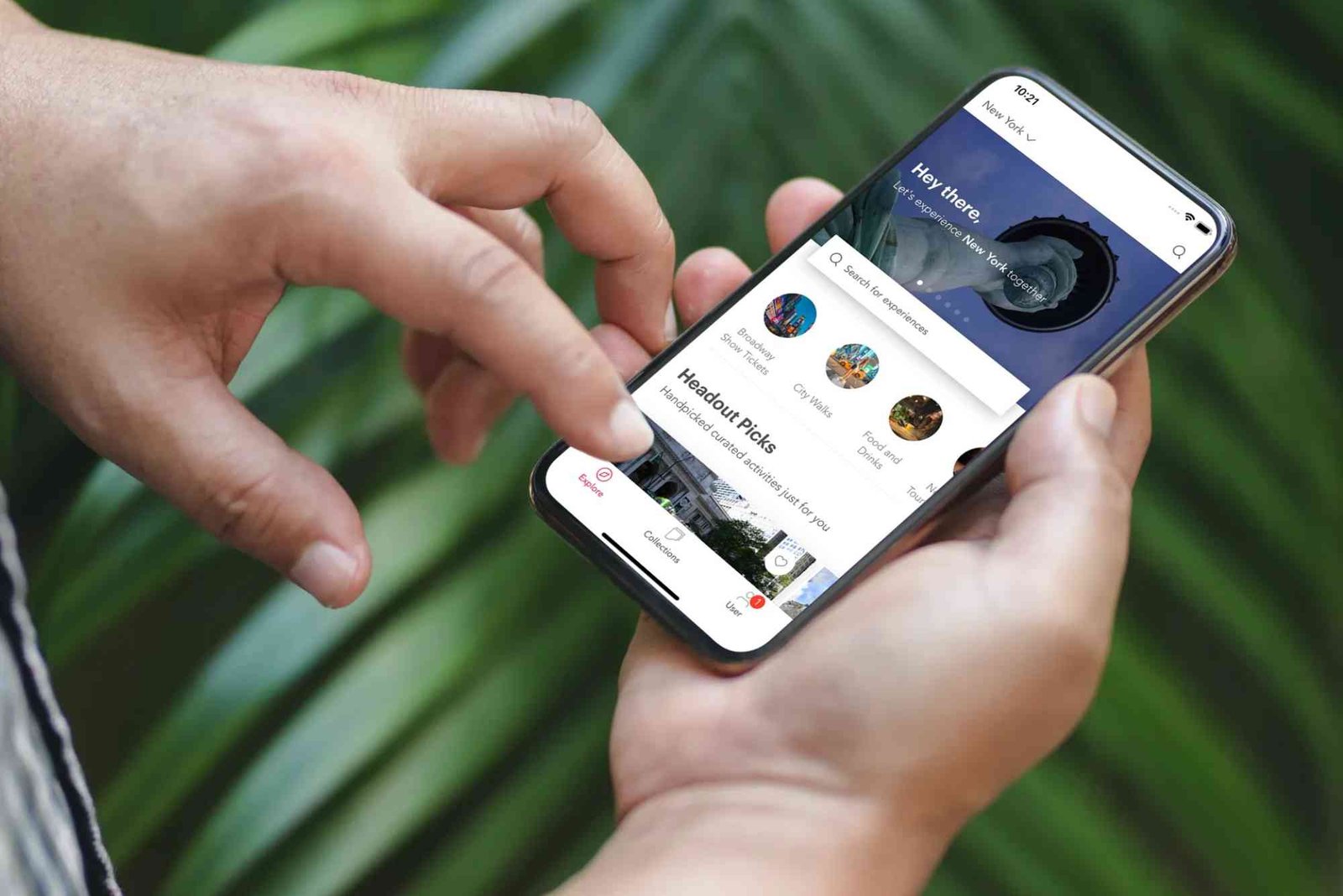
Technology can enhance security while traveling. Safety apps can share real-time locations with friends, provide emergency contacts, or send alerts about nearby incidents. Some apps even monitor global risks and provide updates on natural disasters or political events.
Online Reviews and Ratings
Digital platforms allow travelers to share experiences and warnings. Reading reviews for attractions, restaurants, and transportation services helps avoid unsafe choices. Platforms like TripAdvisor and Google Maps often highlight safety concerns from previous visitors.
Staying Connected
Maintaining communication with family or friends ensures that someone is aware of your location. Regular check-ins provide an extra layer of security, especially in unfamiliar or remote destinations. Mobile internet access or portable Wi-Fi devices can facilitate continuous connectivity.
Evaluating Safety Holistically
Balancing Risks and Enjoyment
No destination is entirely risk-free, but informed decision-making allows you to minimize dangers. Balancing potential risks with personal interests ensures an enjoyable experience. Some travelers may accept minor risks for unique adventures, while others prioritize total safety. Understanding your comfort level is essential in choosing the right destination.
Continuous Assessment
Safety is not static; conditions can change rapidly. Regularly reassess your surroundings, especially when traveling to politically or environmentally unstable regions. Staying alert and adaptable is a core aspect of safe travel.
Finding the safest travel destinations involves careful research, preparation, and awareness. By considering crime rates, healthcare access, cultural norms, and environmental factors, travelers can make informed decisions and enjoy worry-free experiences. Prioritize reliable information, maintain situational awareness, and leverage technology to enhance your safety. Safe travel begins with preparation, but it also thrives on adaptability and mindfulness. Make safety a part of your travel planning, and your journeys will be as enriching as they are secure. Start exploring the world with confidence and discover destinations that provide both adventure and peace of mind.
FAQ
How can I check if a country is safe to visit?
Consult government travel advisories, WHO or CDC updates, and read recent traveler reviews for an accurate safety assessment.
What is the safest type of accommodation when traveling?
Reputable hotels or verified rentals in well-lit, accessible areas are generally safer than unregulated lodging.
Do I need travel insurance for safety?
Yes, it covers emergencies, medical care, and unforeseen incidents, providing both financial protection and assistance.
How do I avoid scams while traveling?
Research common local scams, stay alert in crowded areas, and avoid unregulated transportation or services.
Can technology improve travel safety?
Absolutely. Safety apps, GPS tracking, real-time alerts, and online reviews help monitor risks and make informed decisions.

Admin
Senior Technology and Innovation contributor at GrandInventor.
View all articles by this author →