

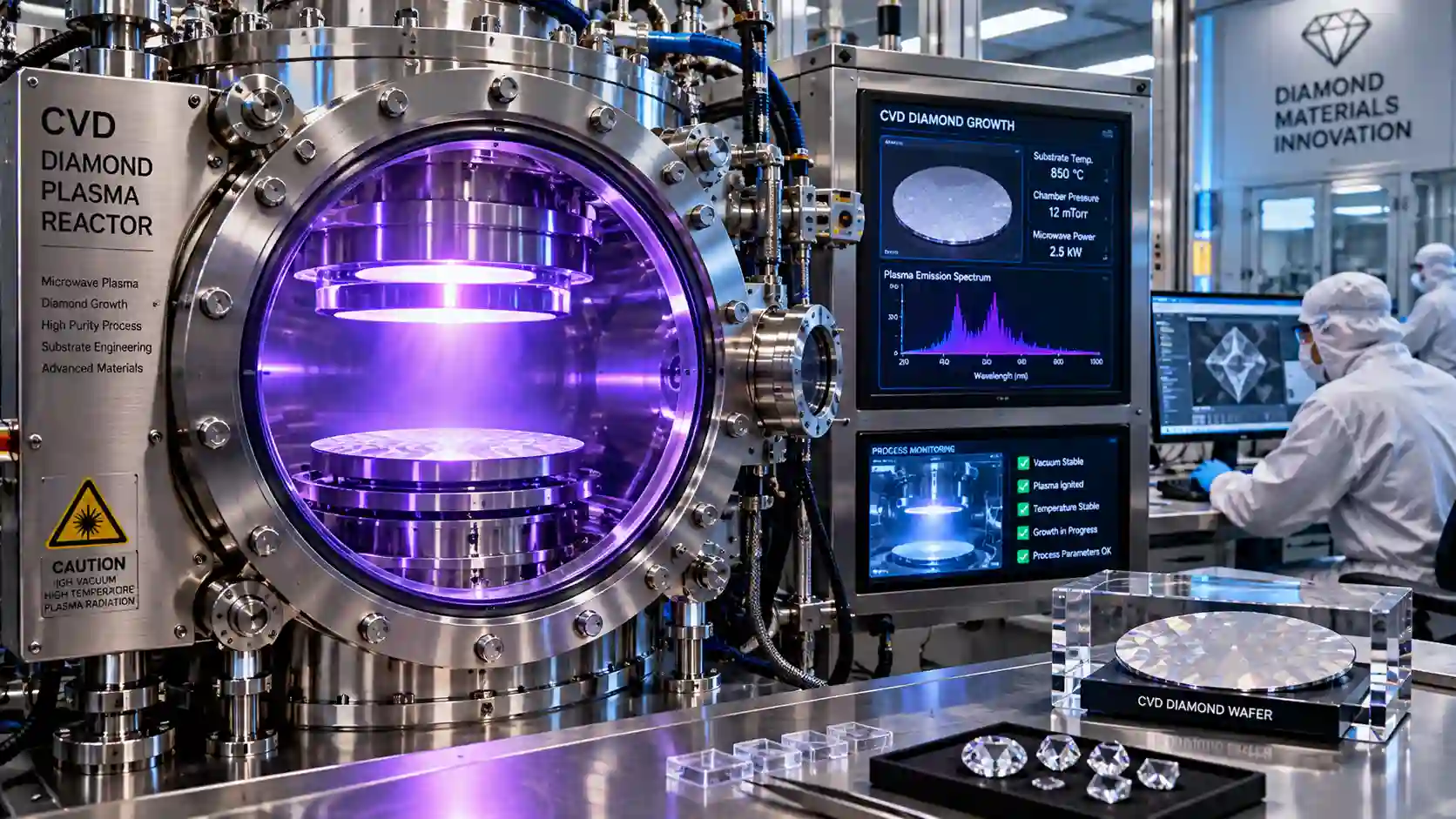
The ability to cultivate single-crystal gemstones inside cleanroom environments is a major triumph of modern manufacturing. By replacing open-pit excavation with microwave plasma physics and high-pressure thermodynamics, scientists have developed a sustainable route to crafting the hardest known mineral. Today, whether utilized in industrial heat sinks or set into fine luxury jewellery, the modern lab diamond represents an extraordinary synthesis of applied thermodynamics and crystal engineering.
This technical revolution is gaining rapid momentum across global markets. In engineering-driven economies known for strict standards, consumers and jewelers are embracing synthetic perfection. Recent market analysis of European trends reveals a massive surge in demand for lab grown diamonds Germany celebrates today, proving that modern buyers value technical purity, environmental responsibility, and transparent origin over mined alternatives.
Material Science Behind Lab Diamond Formation
To understand modern lab diamond creation, we must examine the allotropes of elemental carbon (C). While graphite consists of weak planar sheets, diamond forms an isometric-hexoctahedral cubic lattice. Each carbon atom locks into a tetrahedral structure with covalent bonds, resulting in exceptional physical properties:
- Maximum Hardness: Perfect 10 on the Mohs mineral scale, offering complete scratch resistance.
- High Thermal Conductivity: Transmits heat five times more efficiently than copper (over 2,200 W/m·K).
- Refractive Index: Boasts an index of 2.417 with a fire dispersion rating of 0.044.
- Electronic Bandgap: A 5.47 eV bandgap makes pure diamond an exceptional insulator and high-performance semiconductor substrate.
CVD and HPHT: The Engineering Methods
Modern synthesis facilities employ two distinct high-tech processes to grow authentic diamonds from pure carbon:
1. Chemical Vapor Deposition (CVD)
A diamond seed is placed in a vacuum chamber filled with methane and hydrogen gas. Microwave energy transforms the gases into high-temperature plasma, stripping carbon atoms so they crystallize layer by atomic layer onto the seed plate.
2. High Pressure High Temperature (HPHT)
HPHT technology uses mechanical presses exceeding 55,000 atmospheres and 1,500°C to dissolve graphite in a molten metallic alloy, precipitating carbon onto a seed diamond just like the subterranean mantle environment.

Performance & Technical Comparison
| Property | CVD Lab Diamond | HPHT Lab Diamond | Mined Diamond |
|---|---|---|---|
| Chemical Composition | 100% Pure Carbon | 100% Pure Carbon | 100% Pure Carbon |
| Mohs Hardness | 10.0 | 10.0 | 10.0 |
| Refractive Index | 2.417 | 2.417 | 2.417 |
| Environmental Impact | Zero Earth Excavation | Zero Earth Excavation | Massive Open-Pit Mining |
Why Modern Consumers Choose Engineered Diamonds?
The primary advantage of choosing a lab diamond lies in ethical transparency and cost efficiency. Mined diamonds involve deep earth displacement, heavy fossil-fuel machinery, and complex supply chains. In contrast, laboratory-grown diamonds are produced in controlled cleanrooms powered by renewable energy, offering complete supply chain traceability, identical optical brilliance, and exceptional value.

Admin
Senior Technology and Innovation contributor at GrandInventor.
View all articles by this author →