

What Is Blockchain? A Simple Explanation
In the world of modern technology, the term blockchain is heard everywhere, from finance to healthcare and beyond. Yet, many people still wonder: What is blockchain? A simple explanation can make it clear. At its core, blockchain is a revolutionary way to store and share information securely, transparently, and efficiently. Unlike traditional databases, it doesn’t rely on a central authority. Instead, it uses a decentralized network of computers, making it nearly impossible to tamper with the data. This article aims to explain blockchain in simple, easy-to-understand terms, so anyone can grasp its essence and importance.
Understanding Blockchain Technology
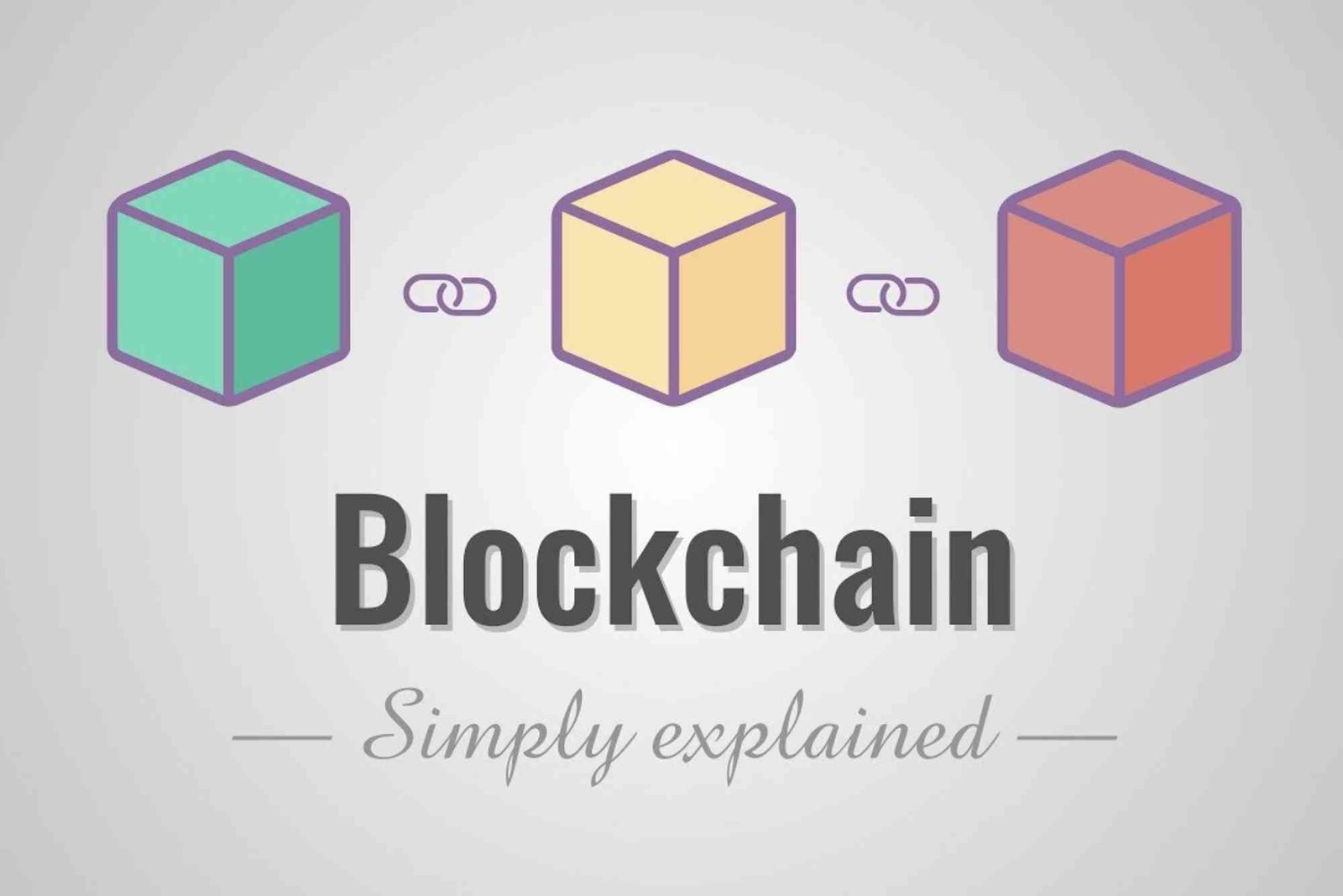
Blockchain is essentially a chain of digital blocks. Each block contains a record of transactions, a timestamp, and a unique code called a hash. The hash links each block to the previous one, forming a chronological chain. This structure ensures that once information is added to the blockchain, it cannot be altered without changing all subsequent blocks, which is practically impossible on large networks.
This technology operates on the principle of decentralization. Instead of relying on a single entity to manage the database, blockchain uses a distributed network of computers, or nodes, to verify and record transactions. Every participant in the network has a copy of the blockchain, making it transparent and trustworthy.
Key Components of Blockchain
Blockchain is built on several crucial components that make it secure and efficient.
Blocks
Blocks are the fundamental units of a blockchain. Each block contains transaction data, a timestamp, and a hash. Once a block is full, it links to the previous block through its hash, creating an immutable chain.
Nodes
Nodes are computers that participate in the blockchain network. Each node maintains a copy of the blockchain and validates new transactions, ensuring the network operates without a central authority.
Consensus Mechanism
Consensus mechanisms are protocols that allow nodes to agree on the validity of transactions. Popular mechanisms include Proof of Work (PoW), used by Bitcoin, and Proof of Stake (PoS), which is more energy-efficient.
How Blockchain Works
To understand blockchain fully, it’s helpful to look at how a transaction gets added to the blockchain.
When someone initiates a transaction, it is broadcast to the entire network. Nodes then validate the transaction based on pre-defined rules. Once verified, the transaction is grouped with others into a block. Miners or validators compete to add the block to the blockchain. After the block is added, it becomes part of a permanent ledger visible to all network participants.
This process eliminates the need for intermediaries like banks or payment processors. The security comes from cryptography and decentralization, ensuring data cannot be easily manipulated.
Benefits of Blockchain
Blockchain offers several advantages that make it a transformative technology for various industries.
Transparency
Every participant in a blockchain network can view the transactions, promoting transparency. This feature is particularly valuable in supply chain management and finance, where tracking products and funds is critical.
Security
The decentralized and cryptographic nature of blockchain makes it highly secure. Altering a single block would require changing all subsequent blocks and gaining control of the majority of the network, which is nearly impossible.
Efficiency and Cost Savings
Blockchain can reduce operational costs by eliminating intermediaries and automating verification processes. Smart contracts, self-executing agreements coded on the blockchain, can further streamline operations.
Immutability
Once a transaction is recorded, it cannot be changed. This immutability ensures accurate records and reduces fraud.
Applications of Blockchain
Blockchain is no longer limited to cryptocurrencies like Bitcoin or Ethereum. Its potential applications span across multiple sectors.
Finance and Banking
Blockchain enables faster, cheaper, and more secure transactions. It also supports cross-border payments without relying on traditional banks, reducing fees and processing times.
Supply Chain Management
Companies can use blockchain to track goods from production to delivery. This ensures product authenticity, prevents fraud, and improves efficiency in logistics.
Healthcare
Blockchain can store patient records securely while allowing authorized personnel to access them easily. This improves patient care and reduces the risk of data breaches.
Voting Systems
Blockchain-based voting systems can enhance election transparency and prevent fraud. Each vote is securely recorded and immutable, making the process more trustworthy.
Real Estate
Blockchain can simplify property transactions by securely recording ownership and reducing the need for intermediaries. Smart contracts can automatically execute agreements, speeding up the process.
Common Misconceptions About Blockchain
Despite its growing popularity, several misconceptions surround blockchain technology.
Blockchain Is Only About Bitcoin
While blockchain powers cryptocurrencies, its applications go far beyond digital money. From healthcare to supply chains, blockchain can be adapted to a wide range of industries.
Blockchain Is Completely Anonymous
Most blockchains are pseudonymous, meaning transactions are linked to unique addresses, not personal identities. Some blockchains are more transparent, and privacy features can vary.
Blockchain Is Inherently Fast
Blockchain can speed up processes by removing intermediaries, but it is not always instantaneous. Public blockchains like Bitcoin can process transactions slower than private or permissioned blockchains.
Challenges Facing Blockchain
Despite its potential, blockchain faces some challenges that limit widespread adoption.
Scalability
As the number of transactions grows, the blockchain network can become congested, slowing down processing times. Developers are working on solutions like sharding and layer-two protocols.
Energy Consumption
Some blockchain networks, especially those using Proof of Work, consume significant energy. Proof of Stake and other consensus mechanisms offer more sustainable alternatives.
Regulatory Uncertainty
Governments worldwide are still developing regulations for blockchain and cryptocurrencies. Unclear rules can hinder adoption and investment.
Technical Complexity
Implementing blockchain requires expertise in cryptography, network protocols, and software development, which can be a barrier for small businesses.
Future of Blockchain
The future of blockchain looks promising. Industries are exploring innovative solutions such as decentralized finance (DeFi), non-fungible tokens (NFTs), and blockchain-based identity management. Integration with emerging technologies like artificial intelligence, the Internet of Things, and cloud computing can unlock even greater potential.
As awareness grows, businesses and governments are expected to adopt blockchain solutions for transparency, security, and efficiency. In the coming years, blockchain may become an integral part of everyday life, influencing how we store, share, and verify information.
Understanding what is blockchain? A simple explanation shows that this technology is not just a buzzword but a transformative innovation. Its decentralized, secure, and transparent nature offers solutions to challenges faced by industries worldwide. From finance to healthcare, blockchain promises efficiency, trust, and reliability.
If you want to stay ahead in the digital era, learning about blockchain and its applications is essential. Embrace the future by exploring blockchain solutions for your business or personal projects. Start today by researching platforms, experimenting with blockchain tools, and connecting with industry experts.
Frequently Asked Questions
What is blockchain in simple terms?
Blockchain is a secure, decentralized digital ledger where transactions are recorded in blocks and linked chronologically.
How does blockchain work?
Transactions are validated by a network of computers, grouped into blocks, and added to a chain. Each block is connected to the previous one, making it tamper-proof.
Is blockchain only used for cryptocurrency?
No, blockchain has applications beyond cryptocurrency, including supply chain management, healthcare, voting, and real estate.
Why is blockchain secure?
Blockchain uses cryptography and decentralization, making it nearly impossible to alter information without consensus from the network.
What industries use blockchain technology?
Blockchain is used in finance, healthcare, supply chains, real estate, voting systems, and many other sectors.
Can blockchain replace traditional databases?
Blockchain can complement or replace traditional databases in cases where transparency, security, and decentralization are critical.

Admin
Senior Technology and Innovation contributor at GrandInventor.
View all articles by this author →