
Introduction
The role of robotics in everyday life has expanded far beyond science fiction. Robots are no longer limited to factories or research labs. Today, they assist us at home, support doctors in hospitals, enhance education, and improve workplace efficiency. As technology advances, robotics is becoming a silent partner in our daily routines, improving accuracy, saving time, and enhancing quality of life. Understanding the role of robotics in everyday life helps individuals and businesses prepare for a future shaped by intelligent machines.
Understanding Robotics in the Modern World
Robotics combines engineering, computer science, and artificial intelligence to design machines that perform tasks autonomously or semi-autonomously. These machines sense their environment, process data, and act accordingly. The role of robotics in everyday life is built on this ability to replicate or support human actions with precision and consistency.
How Robotics Has Evolved Over Time
Early robots were simple machines used for repetitive industrial tasks. Over time, advancements in sensors, machine learning, and computing power transformed robots into adaptable systems. Modern robots can learn from experience, interact with humans, and work safely alongside people. This evolution explains why the role of robotics in everyday life continues to grow across multiple sectors.
The Role of Robotics in Everyday Life at Home
Robotics has become part of modern households, often without people noticing. From cleaning floors to managing smart homes, robots simplify daily chores and improve comfort.
Smart Home Robots and Automation
Robotic vacuum cleaners, lawn mowers, and window cleaners handle time-consuming tasks. These devices use sensors and mapping technology to navigate spaces efficiently. As a result, homeowners save time and energy while maintaining cleaner living environments.
Personal Assistants and Companion Robots
Voice-enabled robotic assistants help manage schedules, control appliances, and answer questions. Companion robots also support elderly individuals by providing reminders, monitoring health signals, and offering social interaction. This highlights the emotional and practical role of robotics in everyday life.

The Role of Robotics in Healthcare and Medicine
Healthcare is one of the most impactful areas where robotics improves human well-being. Precision, consistency, and reliability make robots valuable medical tools.
Surgical Robots and Precision Care
Robotic-assisted surgery allows doctors to perform complex procedures with greater accuracy. These systems reduce recovery time and minimize risks. Surgeons remain in control, but robotic tools enhance their capabilities.
Rehabilitation and Patient Support
Robots assist patients during physical therapy by guiding movements and tracking progress. In hospitals, robotic systems deliver medicines and supplies, reducing staff workload. This practical use strengthens the role of robotics in everyday life within healthcare settings.
The Role of Robotics in Education and Learning
Education has embraced robotics as both a teaching tool and a learning assistant. Robots help students develop problem-solving and critical thinking skills.
Robotics as an Educational Tool
Schools use educational robots to teach coding, engineering, and logic. Students learn by experimenting, which improves engagement and understanding. This hands-on approach prepares learners for future careers.
Personalized Learning Support
Robotic tutors adapt lessons based on student performance. They provide instant feedback and encouragement. This personalized approach demonstrates how the role of robotics in everyday life supports inclusive and effective education.
The Role of Robotics in Workplaces and Industries
Robotics has transformed how businesses operate. Automation increases productivity while reducing errors and costs.
Collaborative Robots in Offices and Factories
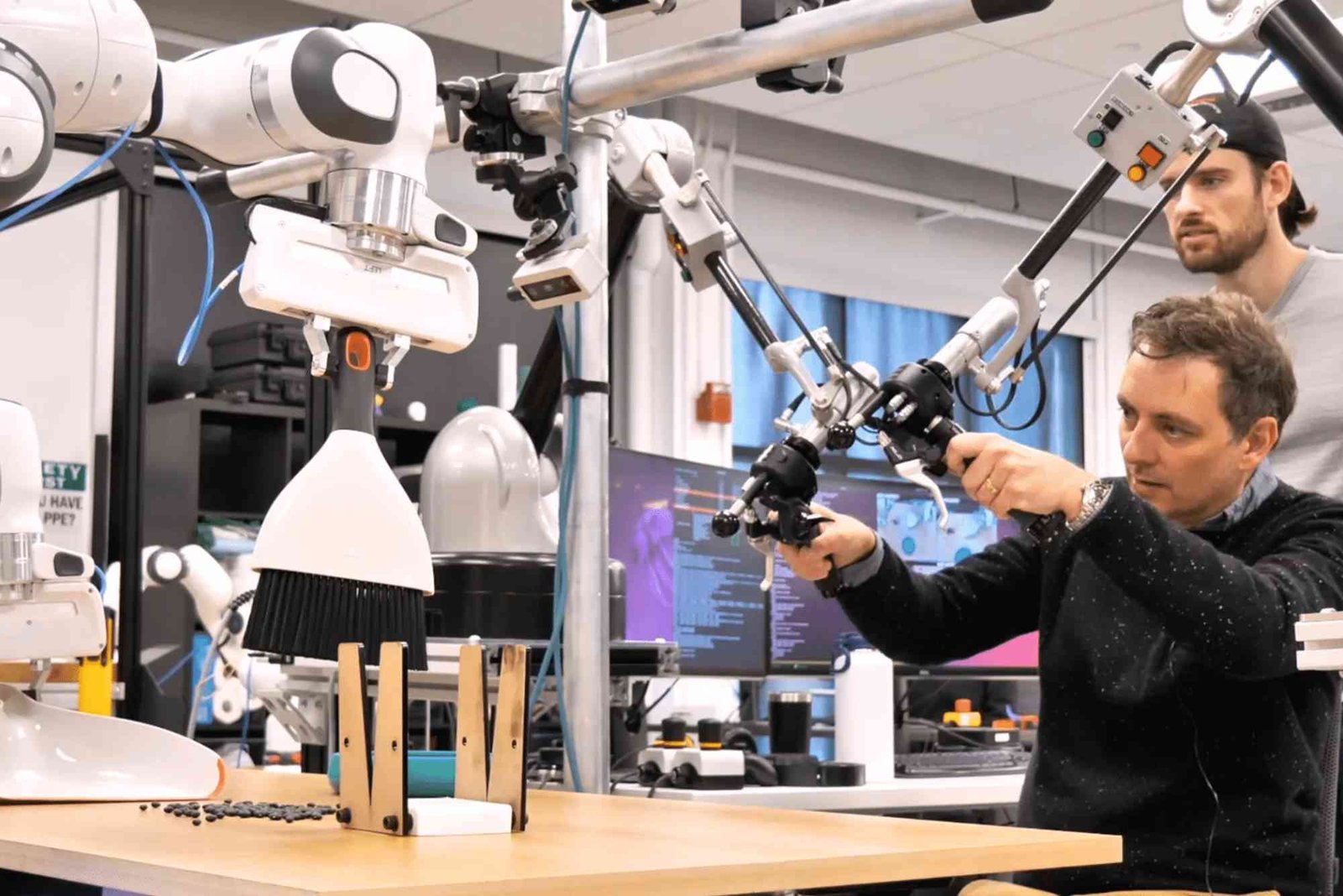
Collaborative robots, also known as cobots, work alongside humans safely. They handle repetitive tasks, allowing employees to focus on creative and strategic work. This balance improves job satisfaction and efficiency.
Robotics in Logistics and Retail
Warehouses use robots for sorting, packing, and inventory management. In retail, robots assist customers and manage shelves. These applications show the expanding role of robotics in everyday life within commerce.
The Role of Robotics in Transportation and Mobility
Transportation systems increasingly rely on robotics to enhance safety and efficiency.
Autonomous Vehicles and Smart Mobility
Self-driving cars use robotic systems to sense surroundings and make decisions. While still developing, these vehicles aim to reduce accidents and traffic congestion. This innovation reflects a future-focused role of robotics in everyday life.
Delivery and Service Robots
Robotic delivery systems transport food, packages, and medical supplies. These robots operate in cities and campuses, offering faster and contactless services. Their growing presence signals a shift in daily logistics.
The Role of Robotics in Agriculture and Food Production
Agriculture benefits from robotics through increased efficiency and sustainability.
Precision Farming with Robots
Robotic systems monitor crops, apply fertilizers, and harvest produce with accuracy. Farmers reduce waste and improve yields. This supports food security and environmental protection.
Food Processing and Safety
Robots handle food processing tasks that require hygiene and consistency. They reduce contamination risks and ensure quality. This practical use reinforces the role of robotics in everyday life from farm to table.
Ethical and Social Impacts of Robotics
As robotics becomes more common, ethical considerations gain importance. Society must balance innovation with responsibility.
Job Transformation and Workforce Adaptation
Robotics may replace some jobs but also creates new roles. Workers need reskilling to adapt to changing demands. Education and training play key roles in managing this transition.
Privacy, Safety, and Trust
Robots collect data to function effectively. Protecting user privacy and ensuring safety are essential. Clear regulations help build trust in robotic systems and support their integration into daily life.
The Future of the Role of Robotics in Everyday Life
The future promises deeper integration of robotics into society. Advances in artificial intelligence and connectivity will make robots more intuitive and responsive.
Robots may soon assist with mental health support, disaster response, and environmental conservation. As technology matures, the role of robotics in everyday life will shift from convenience to necessity, shaping how humans live and work.
Frequently Asked Questions
How are robots used in everyday life today?
Robots are used in homes, hospitals, schools, workplaces, and transportation. They clean, assist, teach, and support daily activities efficiently.
What are examples of robotics in daily life?
Examples include robotic vacuum cleaners, surgical robots, educational robots, warehouse automation, and delivery robots operating in cities.
Why is robotics important in modern society?
Robotics improves efficiency, accuracy, and safety. It helps solve complex problems and supports economic growth and innovation.
Will robots replace humans in the future?
Robots will replace certain tasks but not human creativity and empathy. Most roles will evolve rather than disappear.
How does robotics improve quality of life?
Robotics reduces workload, enhances healthcare, supports learning, and increases convenience. This leads to better time management and well-being.
Embracing the Role of Robotics in Everyday Life
The role of robotics in everyday life is no longer a distant concept. It is a present reality shaping how we live, learn, work, and care for one another. From smart homes to advanced healthcare, robotics offers solutions that improve efficiency and quality of life. As society continues to adapt, understanding and embracing robotics becomes essential.
Now is the time to stay informed and prepared. Explore how robotics can benefit your personal life or business. Embrace innovation and be part of a future where humans and robots work together for a better world.

Admin
Senior Technology and Innovation contributor at GrandInventor.
View all articles by this author →