
Introduction
In today’s fast-paced digital world, securing personal and organizational data is more critical than ever. Traditional methods like passwords and PINs are no longer enough, as cyberattacks and identity theft continue to rise. This is where biometric security comes in, offering a reliable, user-friendly, and highly secure alternative. But how does biometric security work, and why is it increasingly trusted across industries? In this article, we will explore the science, technology, and real-world applications behind biometric security systems.
Understanding Biometric Security
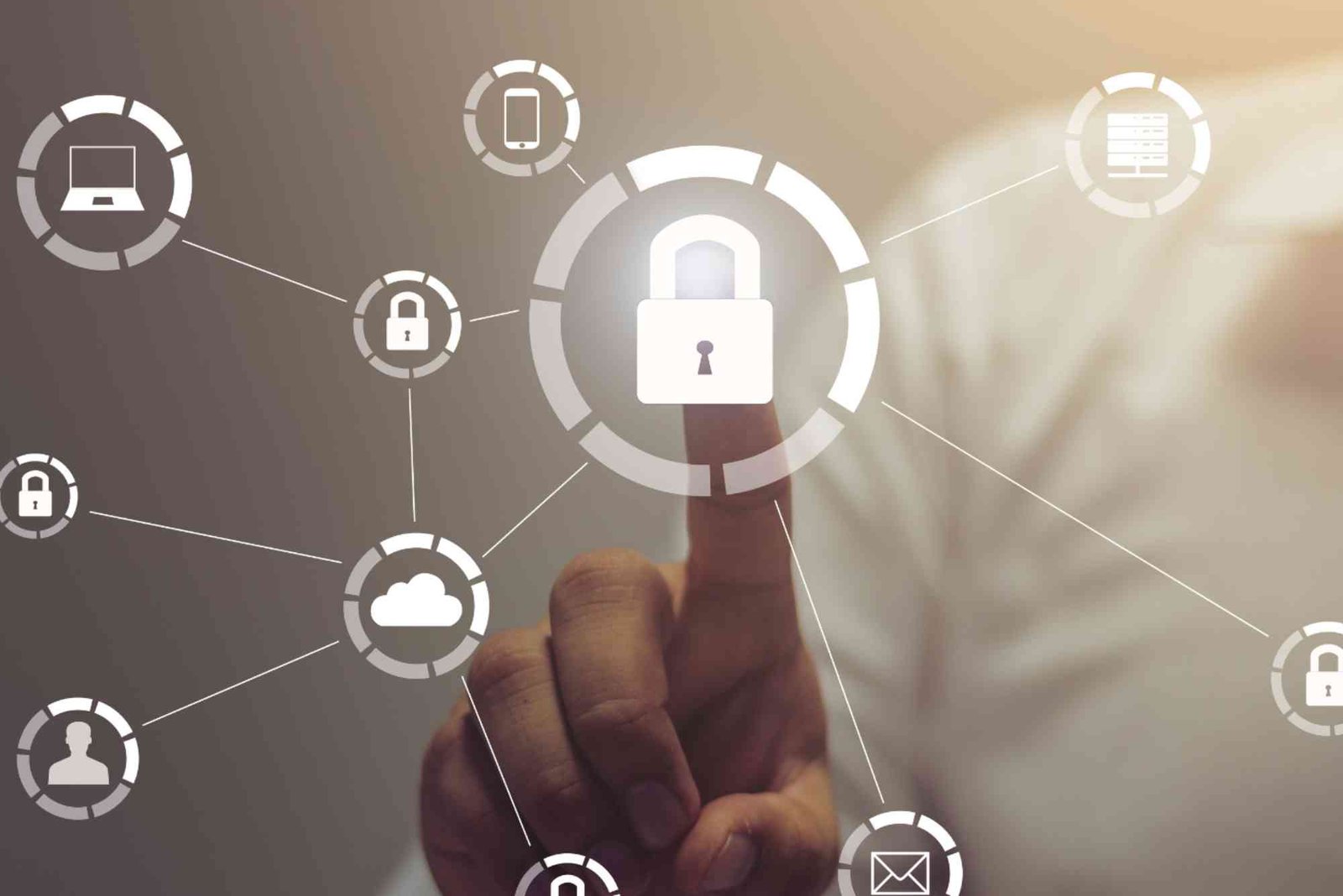
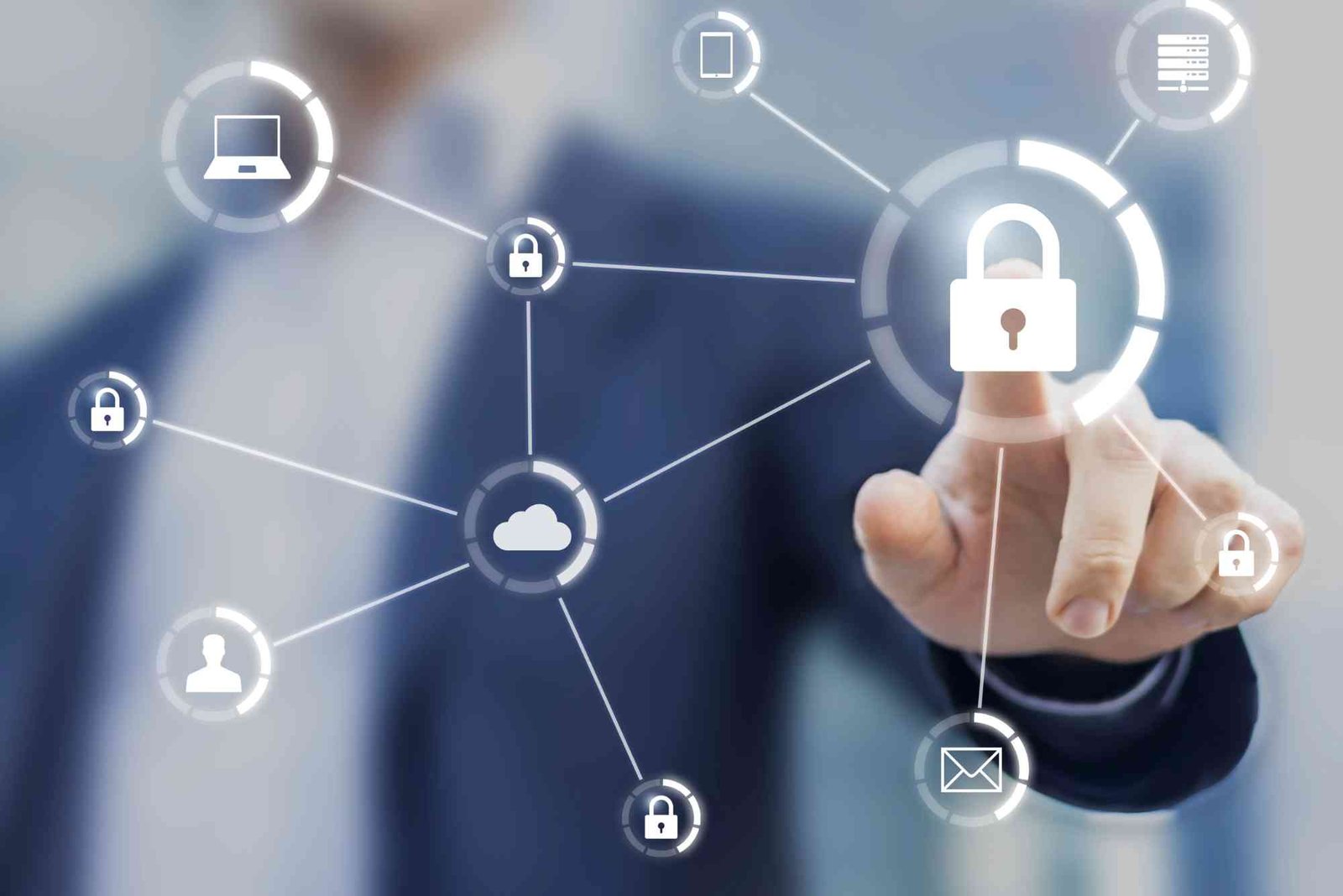
Biometric security is a method of identifying and authenticating individuals based on unique physiological or behavioral characteristics. Unlike passwords, which can be forgotten, stolen, or hacked, biometric identifiers are inherently tied to a person, making unauthorized access much more difficult.
Types of Biometric Identifiers
Biometric security relies on a wide range of identifiers. Physiological traits include fingerprints, facial features, iris patterns, and even vein structures. Behavioral traits focus on patterns like voice recognition, typing rhythm, and gait analysis. Each method has its advantages and challenges, and modern systems often combine multiple identifiers to increase accuracy.
Fingerprints are the most common form of biometric authentication. Each person’s fingerprint is unique due to the intricate patterns of ridges and valleys on the skin. When a fingerprint scanner reads these patterns, it converts the data into a digital template stored in a secure database. Facial recognition systems analyze facial landmarks, such as the distance between the eyes, nose, and mouth. Iris scanners use the unique texture of the eye’s colored ring to identify individuals with high precision. Voice recognition captures vocal tone, pitch, and cadence to distinguish one person from another.
How Biometric Security Works Step by Step
The operation of biometric security involves several stages, all designed to ensure accuracy and prevent fraud. The first stage is enrollment, where a user’s biometric data is captured using sensors or cameras. This data is then converted into a digital template using complex algorithms.
Next comes storage. Unlike raw images or scans, the system stores encrypted templates to protect privacy. These templates are designed to prevent reconstruction of the original biometric, adding a layer of security.
Finally, the authentication phase occurs when a user attempts to access a system or device. The biometric input is compared with stored templates using matching algorithms. If the match exceeds a certain confidence threshold, access is granted. Modern systems also incorporate liveness detection to ensure that the biometric comes from a live person rather than a fake replica.
Advantages of Biometric Security
Biometric security offers several compelling benefits over traditional authentication methods. First, it enhances security by making it extremely difficult for attackers to replicate someone’s unique biological traits. Second, it improves convenience since users do not need to remember passwords or carry security tokens. Biometric systems are also scalable, allowing integration across devices, applications, and even entire organizations.
Moreover, biometric systems can reduce operational costs in certain environments. For instance, banks, hospitals, and government offices save resources by minimizing identity verification errors and reducing fraud-related losses. Biometric security also supports remote authentication, a crucial feature as more employees and customers operate online or via mobile devices.
Challenges in Biometric Security
Despite its advantages, biometric security is not without challenges. Privacy concerns remain a significant issue. Since biometric data is permanent, a breach could have long-lasting consequences. For this reason, robust encryption and secure storage practices are essential.
Accuracy is another concern. Factors such as lighting conditions, skin texture, or even changes in voice can affect the reliability of some systems. False positives and false negatives can occur, although advances in machine learning and AI are helping to minimize these errors. Biometric systems also face ethical considerations. For example, mandatory biometric collection in workplaces or public spaces may raise consent and discrimination issues.
Real-World Applications of Biometric Security
Biometric security has rapidly expanded beyond smartphones and laptops. In the financial sector, banks use fingerprints and facial recognition for secure mobile banking and ATM access. Airports deploy iris and facial scanners to streamline immigration and boarding processes while enhancing safety. Healthcare providers rely on biometric systems to verify patient identity, ensuring accurate medical records and preventing fraud.
Even workplaces are adopting biometric time-tracking systems to accurately record employee attendance. Governments use biometric passports and national ID programs to enhance security while preventing identity theft. The integration of biometric authentication in IoT devices and smart homes is also growing, making personal spaces more secure.
Biometric Security in Technology
The technology behind biometric security is sophisticated, combining sensors, algorithms, and AI. Sensors capture high-resolution data, which is then processed and analyzed. Algorithms extract key features from the raw data, converting it into a digital template for storage. AI and machine learning enhance the system’s ability to adapt to variations in input, such as changes in facial appearance or background noise in voice recognition.
Some of the most advanced biometric systems use multi-modal authentication, combining two or more biometric identifiers. For example, a smartphone might require both a fingerprint and facial recognition to unlock. Multi-modal systems increase accuracy and make unauthorized access even more difficult.
Future of Biometric Security
The future of biometric security looks promising, with continued innovation in AI, wearable technology, and cloud computing. Emerging technologies like vein pattern recognition, heartbeat analysis, and gait recognition are expanding the ways in which individuals can be authenticated. Biometric security is also likely to integrate with blockchain technology to create decentralized, tamper-proof identity systems.
As cyber threats grow more sophisticated, biometric security will become an essential layer in a multi-factor authentication framework. It offers a balance of security, convenience, and adaptability, making it a key component of both personal and enterprise cybersecurity strategies.
Understanding how biometric security works is crucial in today’s digital age. By using unique physiological and behavioral traits, biometric systems provide robust, convenient, and scalable authentication methods. While challenges like privacy, accuracy, and ethical considerations remain, advances in AI and encryption are addressing these concerns effectively. Businesses, governments, and individuals who adopt biometric security can enjoy a safer and more efficient way to protect sensitive information.
As technology evolves, staying informed about biometric security trends is essential. Whether you are securing your smartphone, workplace, or sensitive digital assets, understanding biometric authentication empowers you to make smarter, safer decisions. Embrace the future of secure authentication and explore biometric security solutions tailored to your needs today.
(FAQ)
What is biometric security?
Biometric security is a system that identifies and authenticates individuals using unique biological or behavioral traits.
How accurate is biometric security?
Modern biometric systems are highly accurate, with multi-modal authentication further improving reliability. Accuracy depends on sensor quality, algorithms, and environmental conditions.
Is biometric data safe?
Yes, when encrypted and stored securely. However, breaches can be critical since biometric traits are permanent.
Can biometric systems be hacked?
While no system is entirely immune, advanced liveness detection and multi-factor authentication significantly reduce hacking risks.
Where is biometric security commonly used?
It is used in smartphones, banking, airports, healthcare, government ID programs, workplaces, and smart homes for authentication and security purposes.
What are the benefits of biometric security?
Benefits include enhanced security, convenience, fraud prevention, scalability, and reduced operational costs.
Are there privacy concerns with biometrics?
Yes, privacy is a concern. It’s important to use encrypted storage and obtain user consent when collecting biometric data.

Admin
Senior Technology and Innovation contributor at GrandInventor.
View all articles by this author →