

Introduction
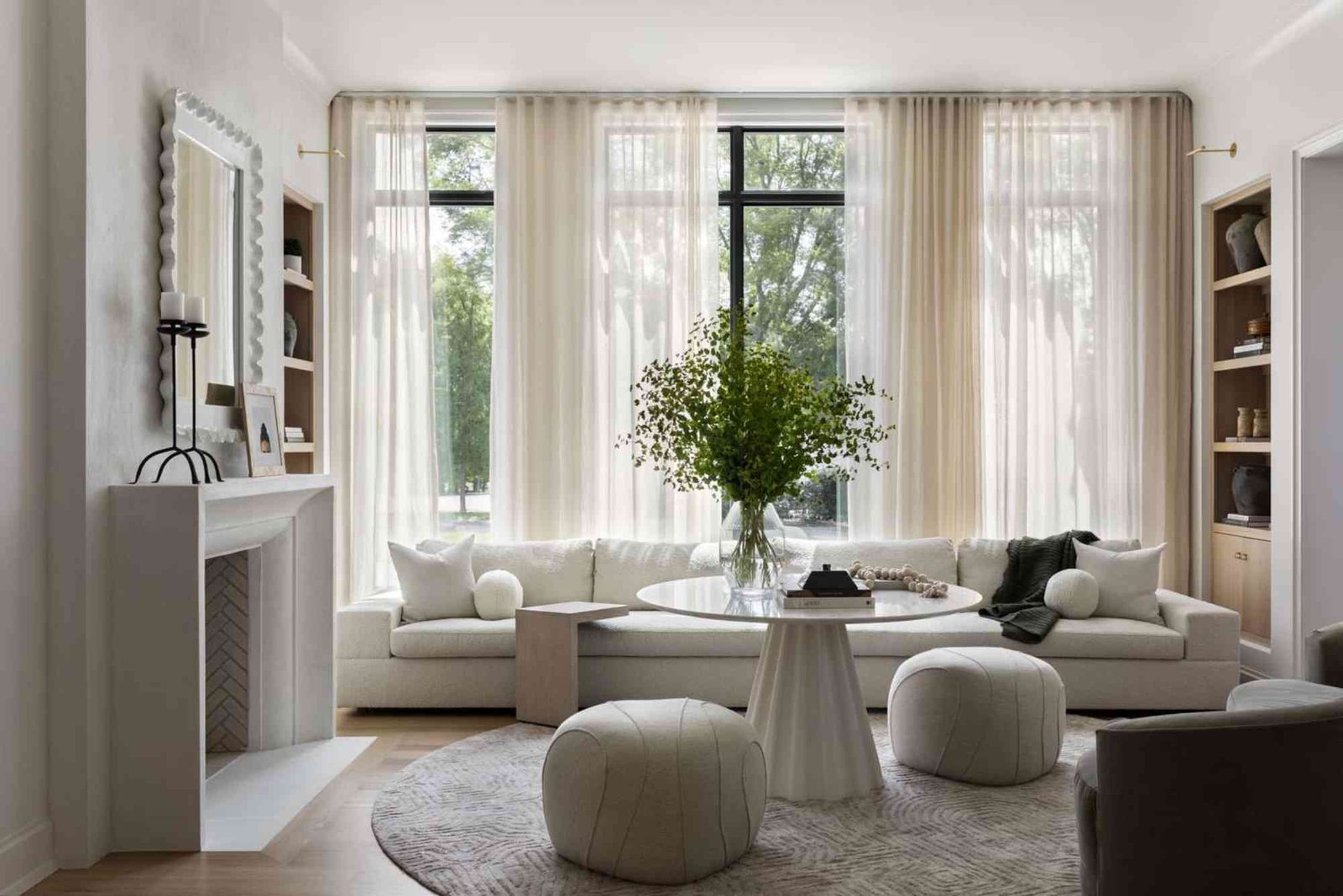
Minimalist home decor ideas for a clean look are more popular than ever, and for good reason. Modern life is busy, noisy, and visually overwhelming. A minimalist home creates calm, balance, and clarity by focusing only on what truly matters. Instead of filling every corner with furniture and décor, minimalism celebrates space, light, and intentional design choices. When done correctly, it does not feel empty or cold. Instead, it feels warm, functional, and timeless.
In my experience working with interior styling concepts, minimalist homes are easier to maintain and mentally refreshing. They also age better than trend-heavy interiors. This guide explores practical and realistic minimalist home decor ideas for a clean look that you can apply to any home, whether it is a small apartment or a large house.
Understanding Minimalist Home Decor
Minimalist home decor is based on simplicity, function, and visual harmony. Every item in the space has a purpose, either functional or emotional. Instead of decorating for decoration’s sake, minimalism focuses on intentional choices.
A clean look does not mean sterile. It means removing visual noise so the remaining elements can breathe. Neutral colors, natural light, and uncluttered layouts form the foundation of minimalist interiors. When you reduce excess, your home feels more spacious and organized.
Why Minimalist Homes Feel Cleaner and Calmer
Minimalist spaces reduce visual stress. Fewer items mean fewer distractions. This makes rooms feel larger and more open. Clean lines and consistent color palettes also help the eye move smoothly through a space.
Another reason minimalist home decor ideas for a clean look work so well is maintenance. Less décor means less dusting, cleaning, and organizing. Over time, this simplicity supports a calmer lifestyle.

Choosing the Right Color Palette
Color plays a major role in achieving a clean minimalist look. Neutral tones are the backbone of minimalist design. Whites, off-whites, beige, soft gray, and warm taupe create a peaceful base.
Instead of using many colors, focus on one main tone and a few subtle variations. This creates depth without clutter. For example, pairing warm white walls with light wood and soft gray textiles adds interest while maintaining simplicity.
Using Accent Colors the Minimalist Way
Minimalism does not forbid color. It simply uses it thoughtfully. One muted accent color, such as sage green or dusty blue, can add personality. The key is restraint. Accent colors should appear naturally, not dominate the space.
Plants also work as natural color accents. Greenery adds life and softness without breaking the minimalist aesthetic.
Furniture Selection for a Clean Look
Furniture should be simple, functional, and well-proportioned. Avoid bulky pieces that overwhelm the room. Clean lines, low profiles, and neutral upholstery work best in minimalist interiors.
Each piece should earn its place. Before adding furniture, ask whether it serves a real purpose. Multifunctional furniture is especially valuable. A storage ottoman or a bed with drawers helps reduce visible clutter.
Prioritizing Quality Over Quantity
Minimalist home decor ideas for a clean look focus on fewer but better items. High-quality furniture lasts longer and looks better over time. Natural materials such as wood, linen, leather, and stone add warmth and authenticity.
Investing in timeless pieces prevents the need for frequent replacements. This approach also aligns with sustainable living.
Decluttering as the Foundation of Minimalism
No minimalist design works without decluttering. Removing excess items is the most important step toward a clean look. Start with one room and work gradually.
Keep only what you use regularly or truly love. Items without purpose create visual noise. Storage should hide necessities while keeping surfaces clear.
Smart Storage Solutions
Built-in storage, closed cabinets, and hidden compartments help maintain a clean appearance. Open shelving can work, but only if styled carefully with minimal items.
Under-bed storage, wall-mounted units, and furniture with concealed storage are excellent solutions for small spaces. The goal is to keep everyday items accessible but out of sight.
Lighting for a Minimalist Home
Lighting shapes the mood of a minimalist space. Natural light is always the priority. Use sheer curtains or blinds that allow sunlight to flow freely.
Artificial lighting should be simple and layered. Ceiling lights, floor lamps, and wall sconces should have clean designs and soft illumination. Warm light creates a cozy feel without clutter.
Choosing Minimalist Light Fixtures
Avoid ornate or oversized fixtures. Simple pendants, recessed lights, and slim floor lamps work best. Lighting should support the space, not compete with it.
Minimalist Wall Decor Ideas
Walls in minimalist homes are often left intentionally bare. This creates visual breathing room. However, completely empty walls are not required.
One large artwork or a small, thoughtfully placed gallery can work well. Choose art with neutral tones or simple compositions. Frames should be slim and consistent.
Texture Instead of Excess Decoration
Instead of many decorative items, use texture to add interest. Textured paint, wood panels, or fabric wall hangings create depth without clutter.
This approach supports minimalist home decor ideas for a clean look while keeping the space visually engaging.
Flooring and Rugs in Minimalist Design
Flooring sets the tone of the entire home. Light wood, polished concrete, or neutral tiles are common choices. These surfaces reflect light and enhance the clean aesthetic.
Rugs should be simple and understated. Solid colors or subtle patterns work best. Rugs help define areas without overwhelming the space.
Minimalist Bedroom Design for a Clean Look
The bedroom should feel calm and restful. Minimalist decor supports better sleep by reducing visual stimulation.
A low-profile bed, neutral bedding, and minimal accessories create a peaceful atmosphere. Nightstands should be simple, holding only essentials.
Creating a Relaxing Minimalist Bedroom
Use soft textures like cotton or linen. Avoid excessive pillows and throws. Keep surfaces clear to maintain a clean look.
Storage should be discreet. Wardrobes with clean fronts or hidden handles work well.
Minimalist Kitchen and Dining Spaces
In the kitchen, functionality is key. Clear countertops instantly create a clean look. Store appliances inside cabinets when possible.
Cabinet fronts should be simple, often handle-less or with subtle hardware. Neutral colors and natural materials work best.
Clean and Simple Dining Areas
Dining spaces benefit from minimal furniture. A simple table and comfortable chairs are enough. Centerpieces should be subtle, such as a bowl or a single vase.
Minimalist home decor ideas for a clean look in dining areas make meals feel more relaxed and intentional.
Bathroom Minimalism for a Spa-Like Feel
Bathrooms are ideal for minimalist design. Clean surfaces and neutral tones create a spa-like atmosphere.
Limit visible products. Use drawers or cabinets to store toiletries. Towels should be neatly folded or hung.
Natural materials like stone, wood accents, and matte finishes enhance the minimalist feel while adding warmth.
Common Mistakes to Avoid in Minimalist Decor
One common mistake is making the space feel cold or empty. Minimalism still needs warmth. Texture, light, and natural elements prevent sterility.
Another mistake is focusing only on appearance and ignoring functionality. A minimalist home must work for daily life.
Finally, avoid perfectionism. Minimalism is about intention, not rigidity.
FAQ
What is the main principle of minimalist home decor?
The main principle is simplicity with purpose. Every item should have a function or meaning.
Can minimalist decor work in small homes?
Yes, minimalist decor is ideal for small spaces. It reduces clutter and makes rooms feel larger.
How do I make minimalist decor feel warm?
Use natural materials, soft textures, warm lighting, and subtle color variations.
Is minimalist decor expensive?
It does not have to be. Buying fewer, timeless pieces can save money over time.
How do I start transitioning to a minimalist home?
Start by decluttering one room. Then focus on simple colors and functional furniture.
Creating a Clean and Timeless Home
Minimalist home decor ideas for a clean look are not about deprivation. They are about clarity, comfort, and intention. By choosing simplicity over excess, you create a home that supports your lifestyle instead of overwhelming it.
A minimalist home is easier to maintain, visually calming, and timeless. Start small, stay intentional, and allow your space to evolve naturally.
If you want a home that feels peaceful, organized, and modern, now is the perfect time to embrace minimalist living. Begin today by removing one unnecessary item and taking the first step toward a cleaner, calmer home.

Admin
Senior Technology and Innovation contributor at GrandInventor.
View all articles by this author →