
Introduction
Choosing the perfect home decor theme can transform your living space from ordinary to extraordinary. A well-chosen theme brings harmony, comfort, and personality into every corner of your home. Yet, with countless styles, colors, and materials available, it can feel overwhelming to decide where to start. This guide will walk you through the essential steps to choose the perfect home decor theme that reflects your lifestyle, enhances functionality, and elevates aesthetic appeal.
Understanding Your Personal Style
Before diving into magazines, Pinterest boards, or showrooms, understanding your personal style is critical. Your home should reflect your taste, not just current trends. Begin by considering what colors, textures, and designs resonate with you. Think about the spaces where you feel most comfortable or inspired. Your clothing, favorite books, travel destinations, and hobbies often provide subtle clues about your personal style. Creating a mood board, whether digitally or physically, helps visualize your preferences and ensures your theme aligns with your personality.
Exploring popular decor styles, such as modern, minimalist, rustic, Scandinavian, industrial, or bohemian, can provide inspiration. However, avoid blindly following trends. Instead, focus on selecting elements that feel authentic to you. Combining aspects from different styles is acceptable if done thoughtfully, but maintaining cohesion is key to a harmonious home environment.
Evaluating Your Space
The size, layout, and natural light of your home heavily influence the choice of decor theme. Large, open spaces allow for bold designs and larger furniture, while compact areas benefit from minimalist or multifunctional designs. Pay attention to architectural features such as beams, windows, and ceiling height, as these elements can guide your design choices.
Natural light plays a crucial role in determining colors and materials. Bright, airy spaces can handle darker or vibrant tones, while dimmer rooms benefit from lighter, reflective colors to create openness. Additionally, consider how each room will function. A family room may prioritize comfort and durability, whereas a study requires a calm and organized atmosphere. Assessing these factors ensures your chosen theme complements both aesthetics and practicality.
Selecting a Cohesive Color Palette
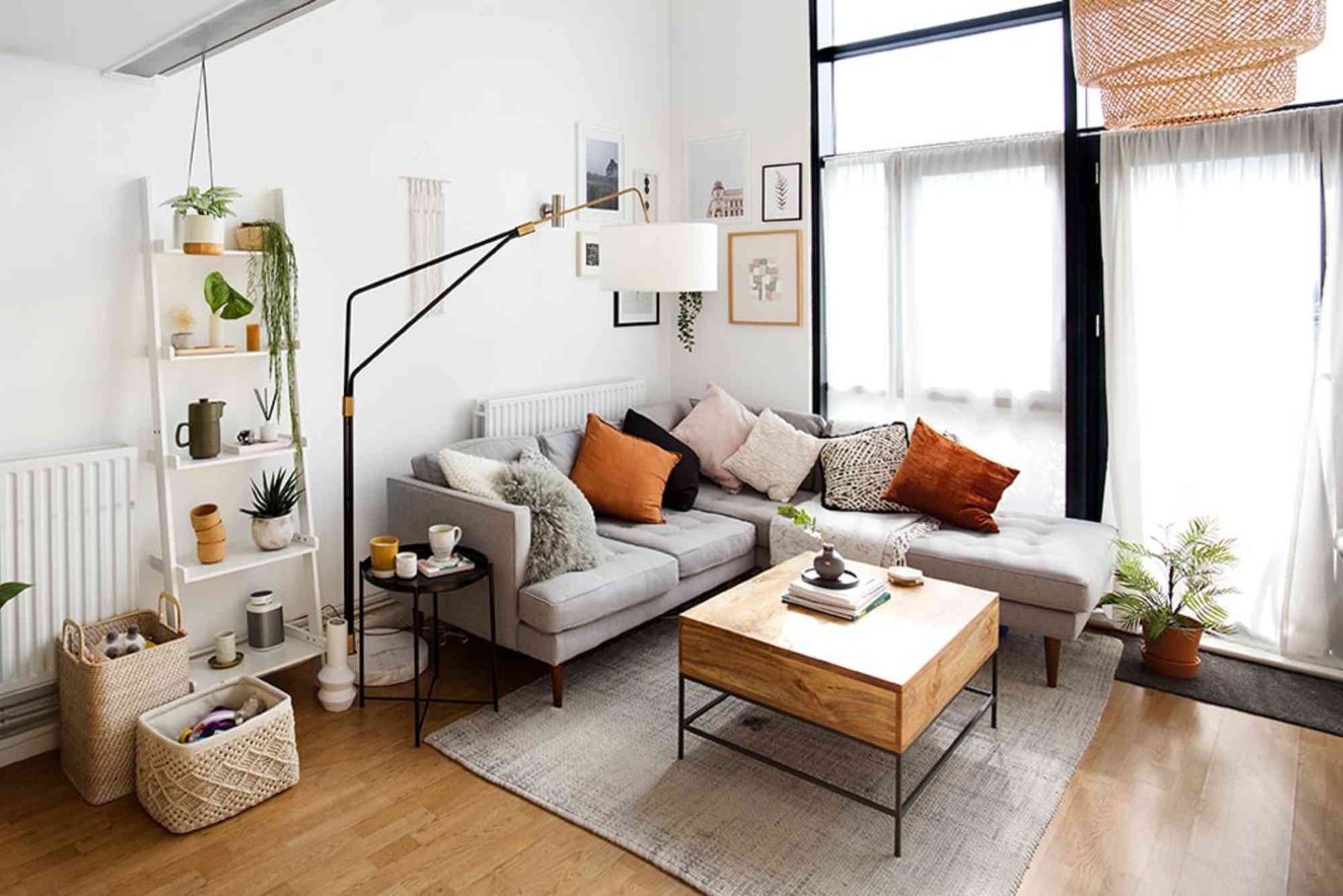
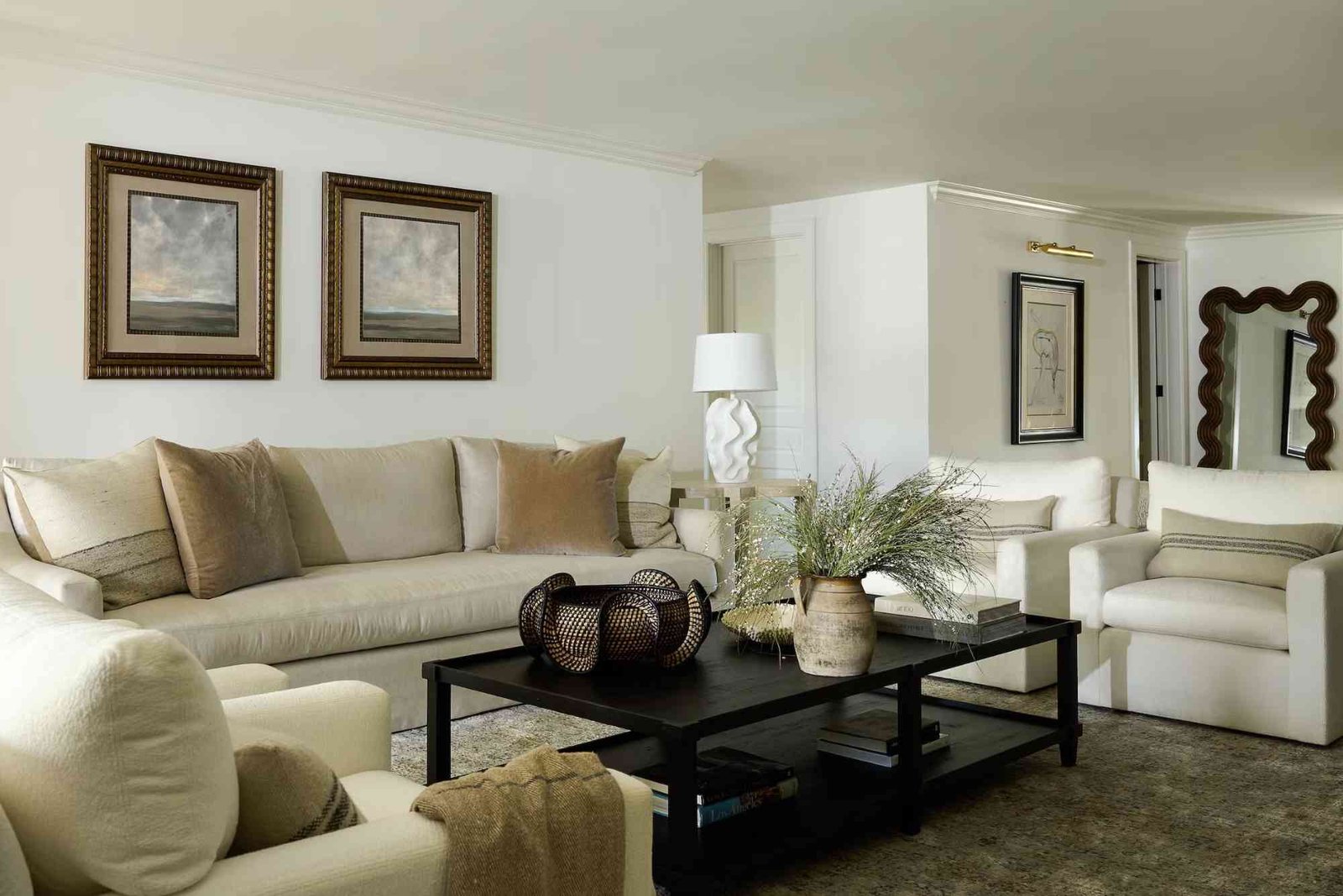
Color selection is fundamental in establishing a decor theme. Colors influence mood and perception, making your palette one of the most impactful decisions. Start with a base color that suits the room’s purpose and lighting. Neutral tones like beige, gray, and white offer versatility and timeless appeal. For a bolder statement, introduce accent colors through furniture, artwork, or accessories.

When choosing colors, consider how they flow from room to room. A cohesive palette across your home enhances continuity and prevents visual clutter. Experiment with shades, textures, and complementary tones to create depth and interest. Remember, colors are not limited to walls and furniture; textiles, rugs, curtains, and even plants can reinforce the overall palette.
Prioritizing Functionality and Comfort
A home’s decor should not only be visually appealing but also practical and comfortable. Evaluate your lifestyle and daily routines when selecting furniture and layout. Multifunctional pieces, like storage ottomans or convertible tables, work well in modern and compact homes. Seating arrangements should promote conversation and relaxation, while lighting must support both ambiance and task requirements.
Functionality also includes considering the durability and maintenance of materials. High-traffic areas may require robust flooring and stain-resistant fabrics. Children or pets influence furniture choices, while a minimalist home may favor open spaces with fewer decorative objects. By aligning your theme with real-life needs, you create a space that is as livable as it is beautiful.
Balancing Trends with Timelessness
Trends are exciting but can quickly feel outdated. Incorporating trendy elements in small doses, such as cushions, artwork, or decorative objects, allows your home to feel current without being tied to fleeting fads. Focus on timeless foundations like neutral furniture, classic layouts, and quality materials that will endure.
Balancing trends with timeless pieces ensures your home remains appealing over the years. Avoid overly complicated designs that may limit future flexibility. A well-thought-out theme blends innovation and tradition, creating a space that evolves gracefully with your lifestyle.
Layering Textures and Patterns
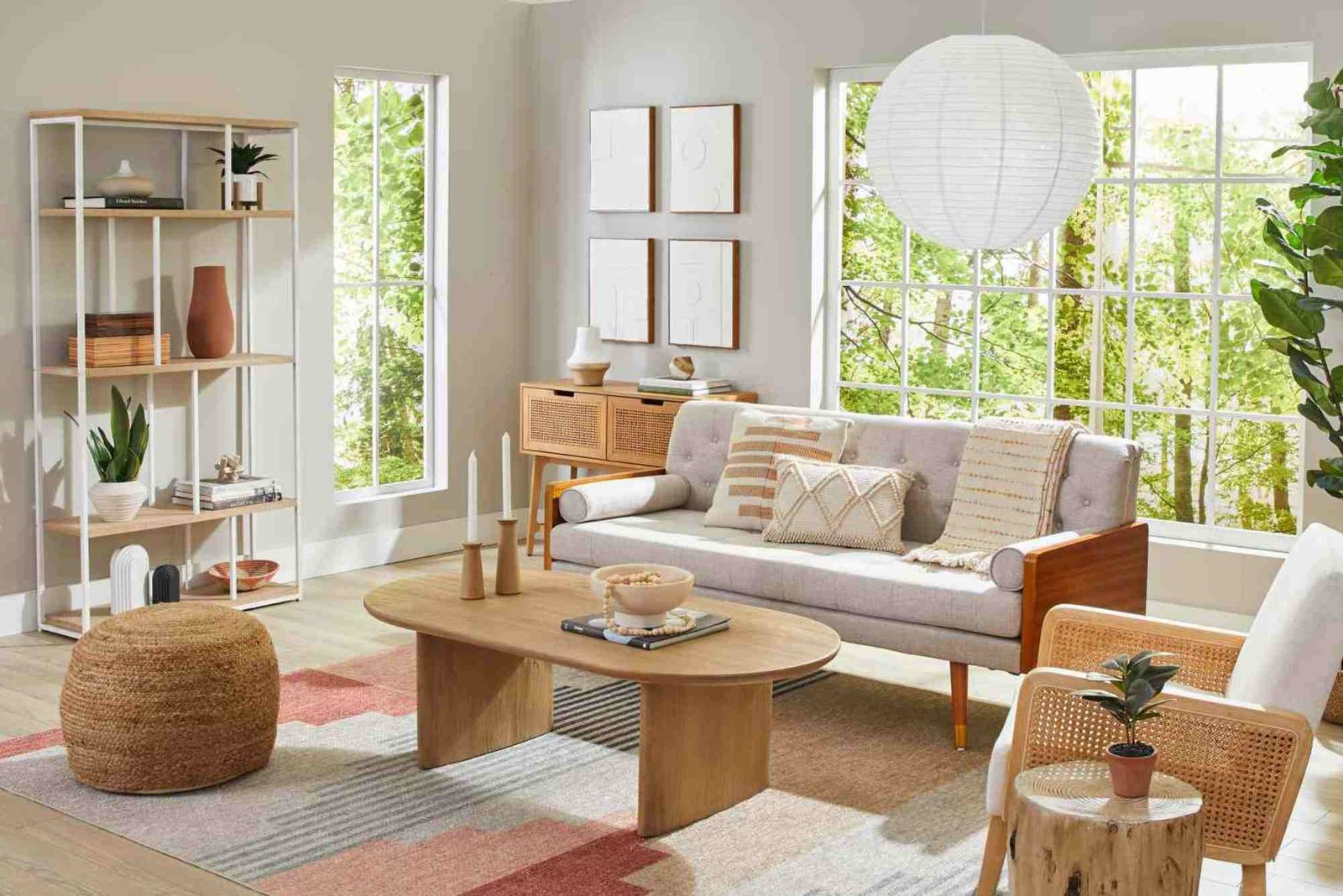
Texture and pattern add depth and personality to your decor theme. Combining materials like wood, metal, glass, or textiles creates visual interest and tactile comfort. Patterns, whether geometric, floral, or abstract, contribute to the overall style but should be applied strategically to avoid overwhelming the space.
Mixing textures works best when there is balance. For example, a smooth leather sofa pairs beautifully with a plush rug, soft throw blankets, and textured cushions. Layering patterns can be effective when they share a color family, scale, or motif. This approach adds dimension and sophistication to your rooms while keeping the design cohesive.
Incorporating Statement Pieces
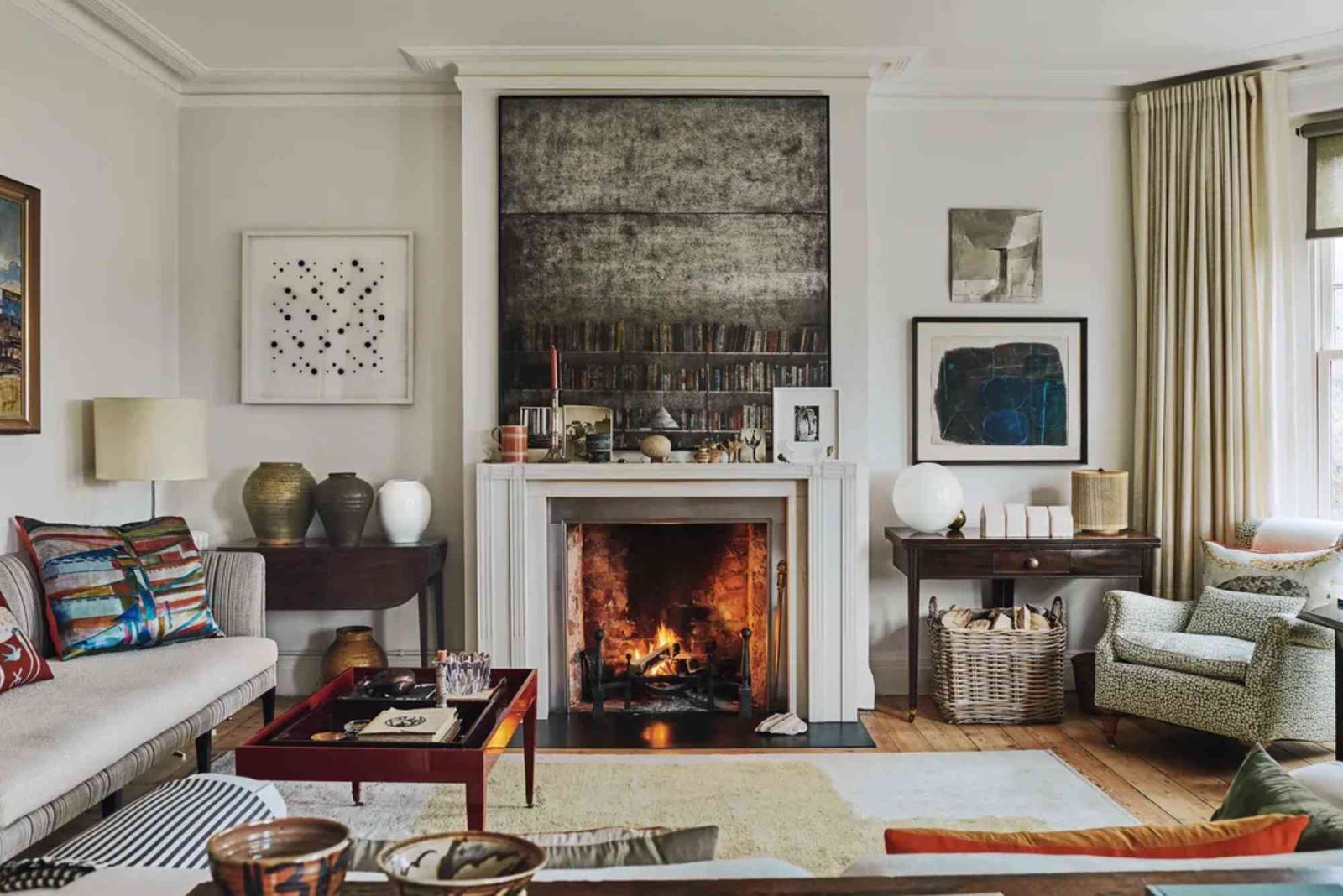
Statement pieces act as focal points, giving character and charm to a room. These could be a bold sofa, a striking artwork, or a unique light fixture. While statement items should capture attention, they must also harmonize with the overall theme. Oversized or misplaced pieces can disrupt balance, so consider proportion, color, and placement carefully.
In addition to aesthetic value, statement pieces can express your personality and story. Collectibles, heirlooms, or custom furniture add uniqueness that mass-produced items cannot replicate. When integrated thoughtfully, these elements elevate your home’s design and make it truly your own.
Creating Harmony Through Accessories
Accessories are the finishing touches that tie a decor theme together. Rugs, cushions, lamps, vases, and wall decor can reinforce your color palette, textures, and patterns. However, avoid overdecorating, as clutter can detract from the theme.
Select accessories that resonate with your style and serve a purpose. Mirrors can enhance light and space, while plants bring life and freshness. Layering accessories gradually allows for flexibility and adjustment as your taste evolves. A harmonious balance of essential items and decorative accents ensures your home feels curated, comfortable, and inviting.
Maintaining Flexibility
Flexibility in your home decor allows you to adapt as your needs or tastes change. Modular furniture, interchangeable accessories, and adaptable layouts offer freedom without major renovations. Planning with flexibility in mind also helps accommodate family growth, lifestyle shifts, or seasonal changes.
By avoiding overly rigid design choices, you create a living space that evolves with you. Flexibility ensures that your decor theme remains relevant and functional over time, making your home a true reflection of your life’s journey.
Choosing the perfect home decor theme involves a careful balance of personal style, functionality, color harmony, and timeless design principles. By evaluating your space, understanding your preferences, and thoughtfully selecting materials, colors, and statement pieces, you can craft a home that feels both beautiful and practical. Remember, your home should tell your story, offering comfort and inspiration every day. Begin with small changes, experiment with textures and colors, and let your creativity guide you.
Take the first step today by exploring your favorite styles, gathering inspiration, and imagining how each element can come together to create your dream space. Your perfect home decor theme is not just about aesthetics—it’s about creating a home that feels truly yours.
Looking to refresh your space with stylish ideas? Explore the best dining room decor ideas for modern homes to find creative inspiration that brings elegance, comfort, and personality to your eating area. Whether you prefer minimalist, bold, or cozy designs, these tips will help you elevate your dining space effortlessly. Check them out here:
FAQ
How do I know which home decor style suits me?
Start by evaluating your lifestyle, hobbies, favorite colors, and existing furniture. Create a mood board to visualize patterns and textures you enjoy.
Can I mix different decor styles in one home?
Yes, but it requires careful balance. Maintain cohesion through color palettes, textures, or design elements to avoid visual chaos.
How important is color when choosing a decor theme?
Color sets the mood of each room and impacts perceived space. Cohesive palettes across rooms enhance flow and harmony.
Should I follow trends when designing my home?
Incorporate trends sparingly. Focus on timeless pieces as the foundation and use trends for small accents to keep your space modern.
What role do statement pieces play in home decor?
Statement pieces serve as focal points that reflect personality. They should harmonize with your overall theme to enhance visual interest.
How can I make my home functional and stylish at the same time?
Choose furniture that balances comfort with design, consider room layout, and select durable materials that suit your lifestyle.
Are accessories necessary for a finished home look?
Yes, accessories add personality, texture, and color. Use them strategically to enhance your theme without cluttering the space.
Related Reading: Best Home Decor Ideas for First-Time Homeowners — full guide

Admin
Senior Technology and Innovation contributor at GrandInventor.
View all articles by this author →