

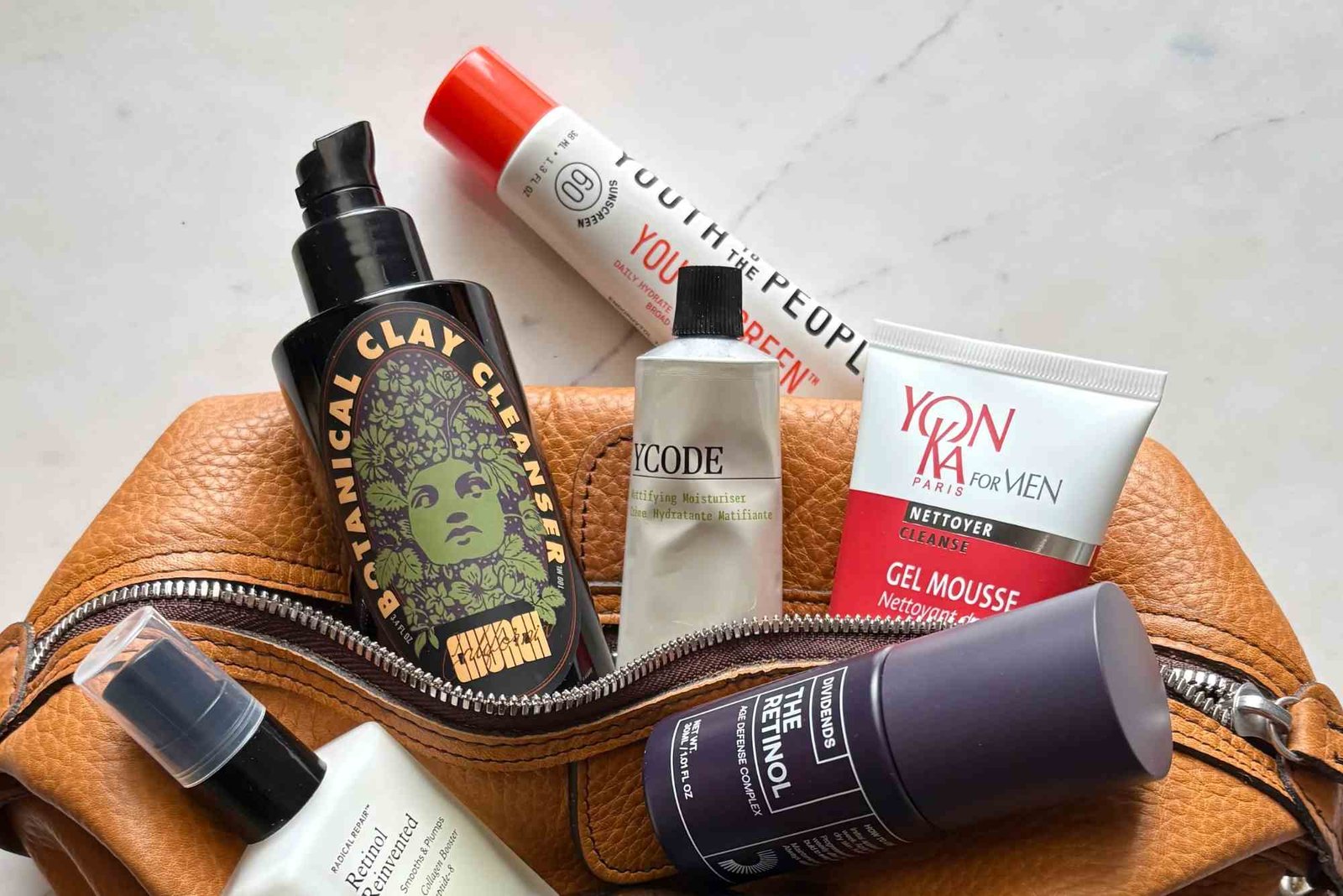
Introduction
Creating a skincare routine can feel overwhelming for beginners. With countless products, steps, and advice floating online, it’s easy to feel lost. However, building a perfect skincare routine doesn’t have to be complicated. The key is understanding your skin type, choosing products with purpose, and creating consistency. This guide will walk you through the essentials, helping you develop a routine that suits your skin, improves health, and enhances your natural glow.
Understanding Your Skin Type
Before you choose products or steps, it’s vital to understand your skin type. Skin types determine the ingredients your skin needs and which products to avoid. Generally, skin types fall into four categories: normal, oily, dry, and combination. Normal skin has a balanced oil and moisture level and usually doesn’t face major issues. Oily skin tends to produce excess sebum, leading to breakouts and shine. Dry skin lacks moisture and may feel tight or flaky, while combination skin exhibits both oily and dry areas, typically with an oily T-zone and drier cheeks. Identifying your skin type ensures your routine supports your skin’s natural balance rather than causing irritation.
Essential Steps for a Beginner’s Skincare Routine
A beginner-friendly skincare routine focuses on simplicity and consistency. Overcomplicating your routine can stress your skin or waste money. Start with the basics: cleansing, moisturizing, and sun protection. These three steps form the foundation of healthy skin.
Cleansing
Cleansing is the first and most important step. It removes dirt, oil, and impurities that accumulate on your skin throughout the day. Choosing a gentle cleanser suited to your skin type is crucial. For oily skin, foaming cleansers work well to remove excess oil. Dry skin benefits from cream or oil-based cleansers that hydrate while cleansing. Normal and combination skin types can use a mild gel or lotion cleanser. Wash your face twice a day, once in the morning and once at night, to keep pores clean without over-stripping natural oils.
Moisturizing
Moisturizing is essential, even for oily skin. It helps maintain the skin barrier, prevents dryness, and improves texture. Look for moisturizers based on your skin type. Lightweight, non-comedogenic lotions are ideal for oily skin, while richer creams or oils work best for dry skin. Combination skin may require using different moisturizers for different areas, applying a richer cream on dry cheeks and a lighter one on the T-zone. Consistency is key; applying moisturizer daily helps keep your skin supple and healthy.
Sun Protection
Sunscreen is non-negotiable in any skincare routine. UV exposure accelerates aging, causes pigmentation, and increases the risk of skin cancer. Apply a broad-spectrum sunscreen with at least SPF 30 every morning, even on cloudy days. Reapply every two hours if you spend time outdoors. Sunscreen protects your skin and ensures that other steps in your routine, like moisturizers or treatments, are more effective over time.

Adding Optional Steps as Needed
Once you master the basics, you can introduce optional steps to target specific concerns like acne, dullness, or fine lines. These include exfoliation, serums, masks, and eye creams. It’s important not to overload your routine; adding too many products can irritate your skin or counteract the benefits of your core steps.
Exfoliation
Exfoliation removes dead skin cells, promotes cell turnover, and brightens your complexion. For beginners, chemical exfoliants with mild acids like AHAs or BHAs are safer than harsh physical scrubs. Exfoliate once or twice a week to prevent over-exfoliation, which can cause redness and sensitivity. Regular exfoliation can improve absorption of serums and moisturizers, making your routine more effective.
Serums
Serums are concentrated treatments that target specific concerns such as pigmentation, hydration, or fine lines. Common ingredients include hyaluronic acid for moisture, vitamin C for brightness, and niacinamide for blemish-prone skin. Apply serums after cleansing and before moisturizing to maximize absorption. Introduce one serum at a time to monitor how your skin reacts.
Masks
Face masks provide an extra boost depending on your skin’s needs. Hydrating masks replenish moisture, clay masks help absorb excess oil, and sheet masks can calm and soothe irritation. Use masks once or twice a week and always follow instructions. Masks should complement, not replace, your core routine steps.
Eye Creams
The skin around your eyes is delicate and may show early signs of aging or fatigue. Eye creams with caffeine, peptides, or hyaluronic acid can reduce puffiness, dark circles, and fine lines. Pat gently around the orbital bone using your ring finger to avoid stretching the skin. For beginners, eye creams are optional but beneficial if you have concerns around this area.
Understanding Ingredients
Learning about ingredients is important for building a perfect skincare routine. Some ingredients suit all skin types, while others may cause reactions. For instance, retinol promotes cell turnover but can irritate sensitive skin if introduced too quickly. Vitamin C brightens skin but may cause mild tingling initially. Always patch test new products and read labels to avoid unwanted reactions. Gradually introducing new ingredients allows your skin to adapt and maximizes benefits.
Tips for Consistency
Consistency is the secret to effective skincare. Results rarely appear overnight; it takes weeks to notice improvements. Stick to your routine daily, be patient, and avoid changing products too frequently. Keep your routine simple in the beginning to establish habits. Track your skin’s response, and adjust products gradually as your needs evolve. Avoid overloading your skin with too many treatments, as simplicity often leads to the best results.
Common Mistakes to Avoid
Beginners often make mistakes that hinder progress. Over-cleansing can strip natural oils, causing dryness or increased oil production. Skipping sunscreen leaves your skin vulnerable to damage. Using multiple active ingredients simultaneously can cause irritation. Additionally, switching products too often prevents your skin from adapting. Understanding your skin type, keeping a consistent routine, and introducing products slowly reduces these risks.
Monitoring Skin Changes
Observing changes in your skin is an essential part of refining your skincare routine. Pay attention to texture, hydration, and breakouts. Keep notes or take weekly photos to track progress. If irritation occurs, remove the suspected product and consult a dermatologist if necessary. Remember, everyone’s skin reacts differently, so your routine should be tailored to your individual needs. Adjust products and frequency according to results.
Building a Routine Around Your Lifestyle
A perfect skincare routine isn’t just about products; it’s about your lifestyle. Adequate sleep, hydration, and a balanced diet significantly impact skin health. Stress management, limiting excessive sun exposure, and avoiding smoking or harsh environmental factors also contribute. Combining lifestyle habits with a well-structured skincare routine amplifies results and promotes long-term skin health.
Building a perfect skincare routine as a beginner may seem daunting, but it’s achievable with the right approach. Focus on understanding your skin type, sticking to the core steps of cleansing, moisturizing, and sun protection, and gradually introducing additional treatments. Avoid overcomplicating your routine, and remember that consistency, patience, and lifestyle choices are just as important as the products you use. Start simple, observe your skin, and adjust as needed. Your skin will thank you over time, revealing a healthier, more radiant complexion. Begin your journey today and create a routine that truly works for you.
FAQ
How often should I wash my face as a beginner?
Twice daily, morning and night, is sufficient. Over-washing can strip essential oils and cause dryness.
Can I use moisturizer if I have oily skin?
Yes, use lightweight, non-comedogenic moisturizers to hydrate without clogging pores.
Do I need a serum if I already moisturize?
Serums target specific concerns like pigmentation or fine lines. They complement, not replace, moisturizers.
Is sunscreen necessary on cloudy days?
Absolutely. UV rays penetrate clouds, so daily broad-spectrum SPF is essential for protection.
How long does it take to see results from a skincare routine?
Noticeable changes usually appear after 4–6 weeks with consistent care, depending on skin concerns.
Can I mix multiple active ingredients?
Introduce one active ingredient at a time to monitor reactions. Mixing too many can irritate sensitive skin.

Admin
Senior Technology and Innovation contributor at GrandInventor.
View all articles by this author →