

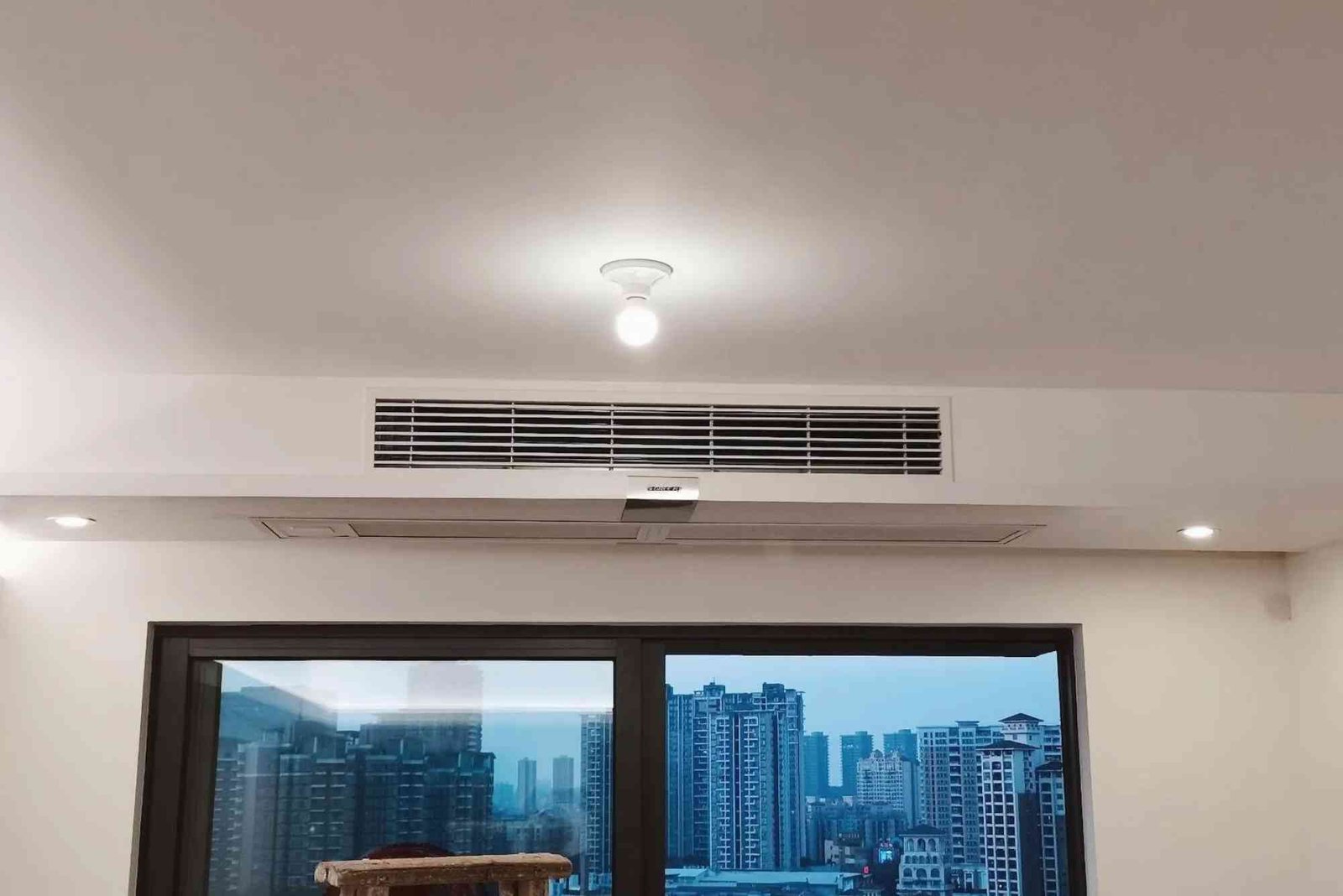
How to Install Ducted AC in Commercial Buildings
Installing a ducted AC system in a commercial building is a smart investment for businesses aiming for consistent comfort, energy efficiency, and a professional environment. Unlike traditional split units, ducted AC systems distribute cool or warm air evenly through concealed ducts, maintaining an aesthetic appeal while controlling temperature across large spaces. Understanding the installation process, planning carefully, and choosing the right equipment are critical for long-term performance and energy savings.
Understanding Ducted AC Systems
Ducted air conditioning systems use a network of ducts to deliver conditioned air to different zones. In commercial buildings, these systems are ideal due to their ability to cool multiple rooms simultaneously, reduce noise, and provide centralized control. Modern ducted systems can be integrated with smart thermostats and energy management systems, offering precise control and reduced operational costs.
Key components include the indoor unit, outdoor unit, ducts, vents, and thermostatic controls. Proper installation ensures that air flows efficiently through the building, avoiding common issues such as uneven cooling, energy wastage, or system breakdowns.
Planning the Installation
Before starting the installation, a thorough assessment of the building layout is essential. Commercial spaces vary in size, floor plans, and occupancy patterns, which affects duct design and AC capacity requirements. Consulting professionals or suppliers, such as an experienced O General ac company can provide precise load calculations and recommendations.
The planning phase should cover:
- Building assessment: Evaluate floor plans, ceiling heights, and insulation.
- Load calculation: Determine the cooling and heating needs for each area.
- Ductwork design: Optimize duct placement for efficient airflow and minimal energy loss.
- Equipment selection: Choose units that match building size and energy efficiency requirements.
Proper planning ensures the system operates efficiently, reduces energy bills, and avoids costly modifications later.

Choosing the Right AC Units
Selecting high-quality AC units is crucial for durability and performance. Commercial buildings require systems that can handle large spaces and maintain consistent airflow. Leading suppliers, including Midea Ac supplier, offer units with advanced features such as variable speed compressors, quiet operation, and energy-saving modes.
Factors to consider when choosing units:
- Capacity: Match the unit’s cooling capacity to the building’s total load.
- Energy efficiency: Look for high SEER ratings or energy-saving certifications.
- Noise levels: Opt for units designed for low operational noise, especially in office spaces.
- Maintenance requirements: Choose units with easy access for servicing and filter replacement.
Investing in reliable units reduces downtime, extends system lifespan, and ensures a comfortable environment for employees and clients.
Preparing the Building
Before installation, prepare the building to accommodate ducts, vents, and indoor units. This includes:
- Ceiling inspection: Ensure ceiling panels can support ducts and grills.
- Wall reinforcement: Prepare walls for mounting units and piping.
- Electrical setup: Confirm adequate power supply and circuit breakers for the AC system.
- Space allocation: Identify areas for indoor and outdoor units, considering ventilation and maintenance access.
Preparation minimizes installation delays and ensures compliance with safety standards.
Installing the Indoor Unit
The indoor unit is the heart of a ducted system, distributing conditioned air through the duct network. Installation steps include:
- Mounting: Secure the unit on a reinforced platform or suspended ceiling.
- Connecting ducts: Attach insulated ducts to the supply and return outlets.
- Installing vents and grilles: Position vents to ensure balanced airflow throughout the building.
- Piping and drainage: Connect refrigerant pipes and condensate drainage, ensuring proper slope to prevent water buildup.
Proper installation prevents common problems such as leaks, uneven airflow, and noise issues.
Installing the Outdoor Unit
The outdoor unit houses the compressor and is usually installed on the rooftop or a dedicated platform outside the building. Key considerations include:
- Location: Choose a ventilated, shaded area to maintain efficiency.
- Mounting: Secure the unit on a stable platform to reduce vibration.
- Piping connection: Connect refrigerant lines from the indoor unit, ensuring correct insulation and sealing.
- Electrical connection: Connect the power supply following manufacturer guidelines and safety codes.
Correct installation of the outdoor unit improves system efficiency and prolongs the lifespan of the equipment.
Designing and Installing Ductwork
Ductwork is critical to delivering conditioned air efficiently. In commercial buildings, poorly designed ducts can lead to energy losses and uneven cooling. Key considerations include:
- Material selection: Use high-quality, insulated ducts to prevent energy loss and condensation.
- Optimal routing: Design ducts to minimize bends and obstructions for smoother airflow.
- Balancing airflow: Install dampers and diffusers to ensure each area receives adequate air.
- Sealing: Properly seal duct joints to prevent leaks and maintain efficiency.
Professional ductwork installation ensures consistent comfort, reduced energy costs, and quieter operation.
Testing and Commissioning
Once installation is complete, thorough testing and commissioning are essential. This step includes:
- Leak testing: Check refrigerant lines and duct connections for leaks.
- Airflow testing: Ensure balanced airflow across all zones.
- Electrical testing: Confirm voltage, current, and proper grounding.
- System startup: Operate the system under normal load to check performance and make adjustments.
Proper commissioning ensures the system runs efficiently, avoids early wear, and guarantees optimal comfort.
Maintenance and Optimization
Regular maintenance is key to prolonging the lifespan of a ducted AC system. Tasks include:
- Filter cleaning and replacement: Keep air quality high and airflow unrestricted.
- Duct inspection: Check for leaks, mold, or blockages.
- Unit servicing: Inspect compressors, fans, and electrical connections periodically.
- System optimization: Adjust dampers and thermostats for balanced airflow and energy efficiency.
Routine maintenance not only prevents breakdowns but also enhances energy savings and indoor comfort.
Conclusion
Installing a ducted AC system in a commercial building requires careful planning, precise installation, and ongoing maintenance. Selecting the right units from trusted suppliers such as O General ac company and Midea Ac supplier, designing efficient ductwork, and following best practices ensures reliable performance and long-term savings. Whether for offices, retail spaces, or large commercial complexes, a properly installed ducted system delivers consistent comfort, energy efficiency, and quiet operation.
For businesses aiming to enhance indoor comfort and energy efficiency, investing in professional ducted AC installation is a decision that pays off immediately and for years to come. Take the first step today by consulting a trusted supplier or installer to design a system tailored to your building’s needs.
Discover the latest innovations, creative ideas, and tech insights at Grand Inventor. Our platform is dedicated to inspiring inventors, entrepreneurs, and tech enthusiasts with cutting-edge content and practical guides. Explore expert tips, industry trends, and inventive solutions that can help bring your ideas to life. Visit our homepage to stay updated and fuel your creativity:

Admin
Senior Technology and Innovation contributor at GrandInventor.
View all articles by this author →