
Introduction
Cooking at home can feel intimidating for beginners, but it doesn’t have to be. With the right guidance, even those new to the kitchen can prepare delicious meals that satisfy every craving. Easy homemade food recipes for beginners focus on simplicity, taste, and accessibility. They require minimal ingredients, basic cooking techniques, and little time, making them perfect for anyone starting their culinary journey.
Learning to cook at home has multiple benefits. It saves money, allows you to control ingredients, and promotes healthier eating habits. Additionally, creating meals from scratch gives you the satisfaction of knowing exactly what goes into your food. Even if you have never boiled water, these recipes will help you build confidence and gradually master more advanced cooking skills.
Getting Started with Easy Homemade Recipes
Before diving into recipes, it’s important to understand some basic tips for beginners. Start by keeping your kitchen organized and stocked with essential ingredients. Items like rice, pasta, canned beans, eggs, and fresh vegetables are versatile and can form the foundation of countless dishes. Essential utensils such as a sharp knife, cutting board, frying pan, and basic pots will make cooking simpler and more enjoyable.
Timing and preparation are also crucial. Reading a recipe fully before starting ensures you are prepared. Chop vegetables and measure spices in advance to streamline the cooking process. Simple steps like this reduce stress and increase your chances of cooking a successful meal.
Key Principles for Beginners
The main principle for beginners is to focus on simplicity. Avoid complicated recipes that require rare ingredients or advanced techniques. Start with dishes that have three to five core ingredients and gradually experiment with flavors. Another important principle is to taste as you cook. Adjusting seasoning along the way helps develop your palate and ensures your dish turns out well.
Quick and Easy Breakfast Ideas
Breakfast is an excellent place for beginners to start. Recipes like scrambled eggs, oatmeal with fruits, or simple vegetable toast provide both nutrition and flavor without overwhelming complexity. These meals teach basic techniques like frying, boiling, and seasoning. For example, scrambled eggs only require whisking eggs, adding a pinch of salt, and cooking over medium heat. Small adjustments like adding a little milk or butter enhance texture and taste.

Smoothies are another beginner-friendly breakfast option. Combining fruits, yogurt, and a splash of milk or juice in a blender creates a nutritious, ready-to-drink meal. Smoothies also encourage experimentation with flavors and textures without the risk of overcooking or burning food.
Easy Lunch Recipes for Beginners
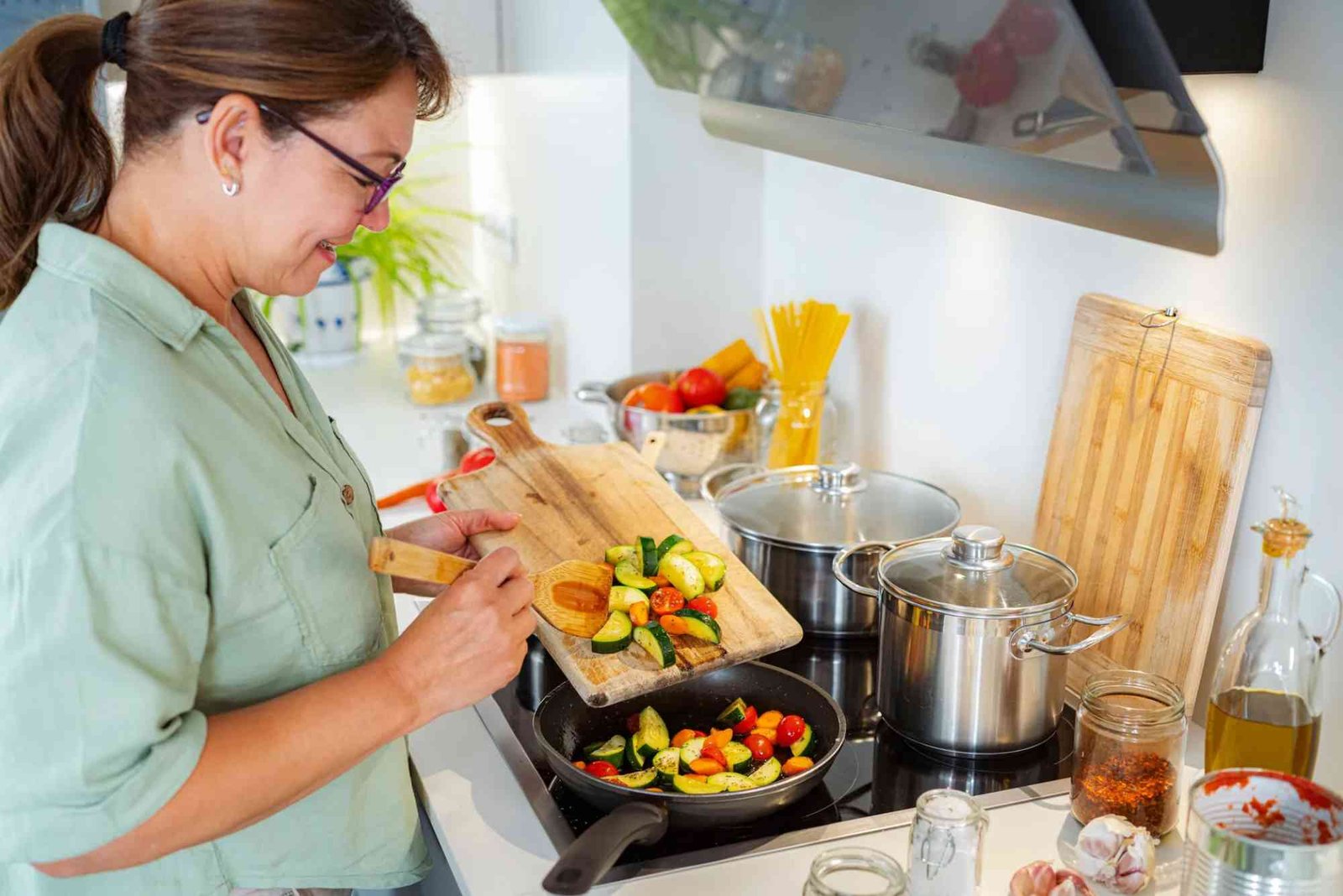
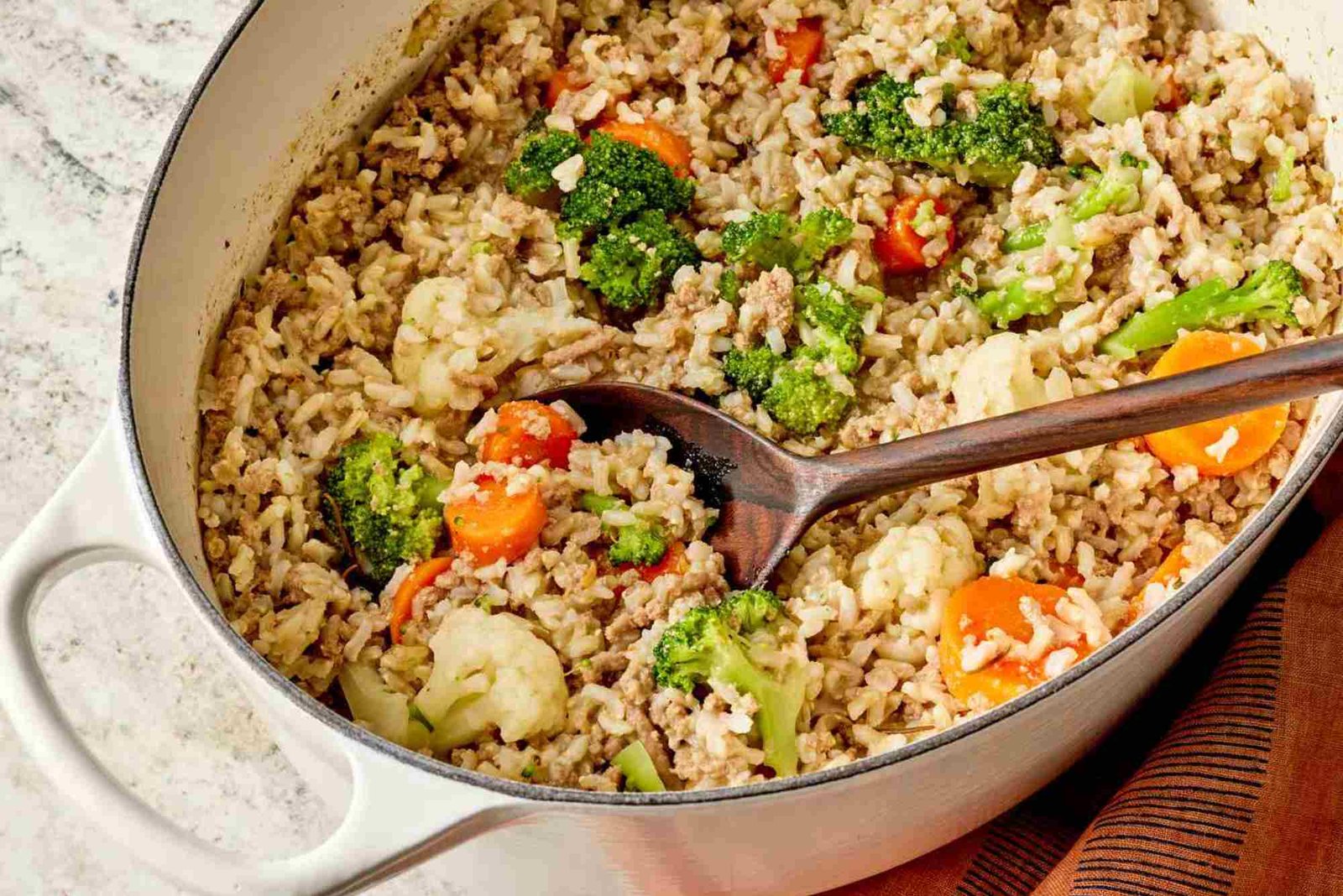
Lunch offers a chance to explore more diverse ingredients while keeping preparation simple. Recipes like stir-fried vegetables with rice, pasta with tomato sauce, or grilled sandwiches are perfect examples. Stir-frying teaches beginners how to cook vegetables quickly while retaining color and nutrients. Adding simple proteins like chicken, tofu, or eggs boosts both taste and nutrition.
Pasta dishes are forgiving for beginners. Boiling pasta to the right texture and combining it with a sauce, whether store-bought or homemade, is easy. Simple herbs like basil or oregano elevate the dish, making it flavorful without requiring extensive cooking knowledge. Grilled sandwiches allow creativity with fillings while teaching essential skills like toasting, melting cheese, and balancing flavors.
Simple Dinner Recipes for Beginners
Dinner recipes for beginners should emphasize minimal prep and maximum taste. Sheet pan meals are a great choice. Arranging vegetables and proteins on a single pan and roasting them in the oven reduces cooking effort and cleanup. Recipes like roasted chicken with carrots and potatoes or baked fish with lemon slices are satisfying and beginner-friendly.
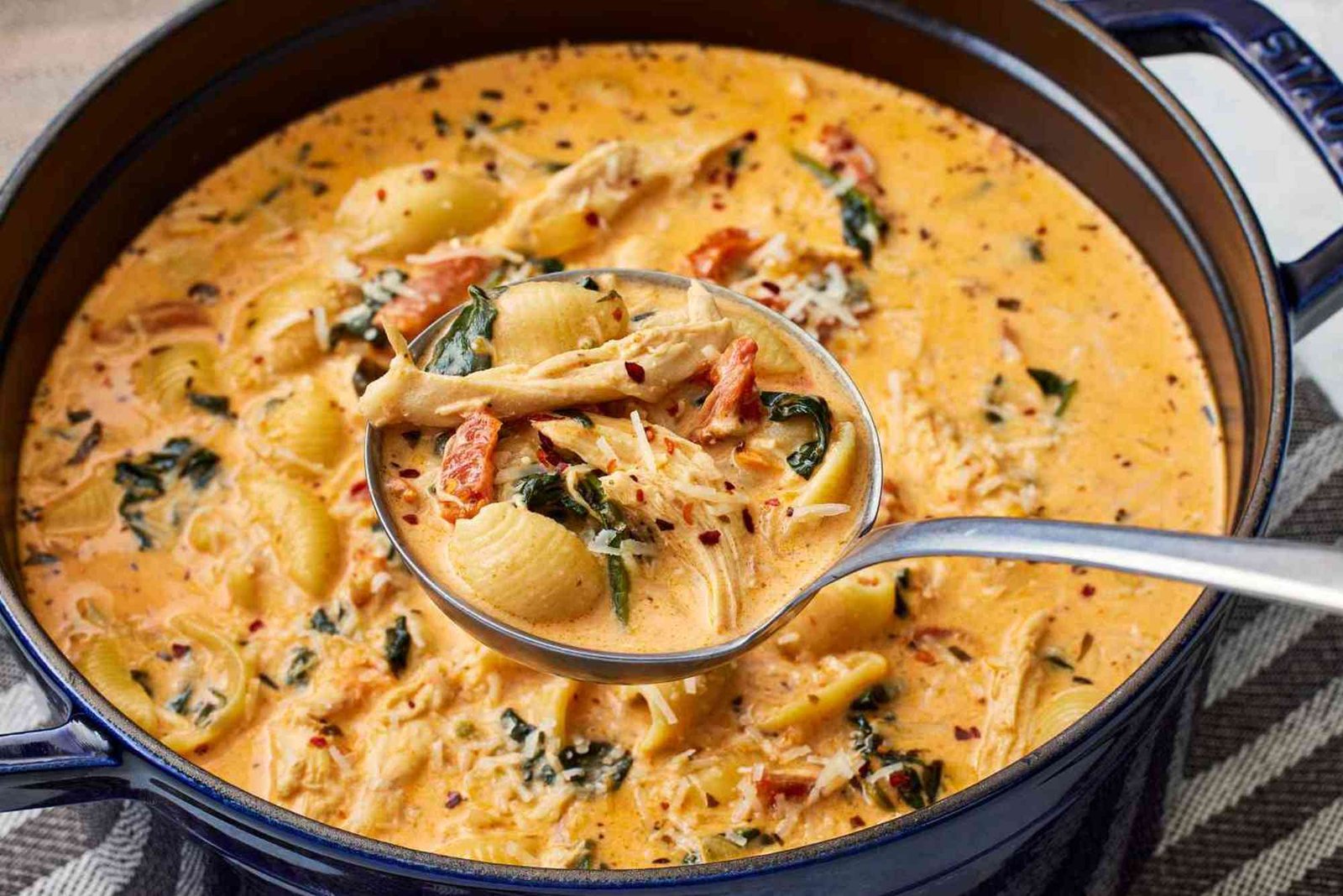
Soups are another excellent option. Vegetable soup or lentil soup involves chopping ingredients, adding them to a pot with broth, and letting them simmer. This slow cooking process allows flavors to develop naturally, and the results are both comforting and healthy. Soups also teach beginners about seasoning, consistency, and balancing flavors.
Tips for Making Cooking Easier
Cooking becomes easier with practice, but there are helpful strategies to accelerate learning. Batch cooking allows beginners to prepare multiple meals at once, saving time and effort throughout the week. Using pre-chopped vegetables or ready-to-use sauces reduces preparation time and encourages regular cooking. Keeping spices and condiments accessible helps experiment with flavors without needing complex instructions.
Another tip is to focus on one new recipe at a time. Repeating a recipe multiple times improves technique and boosts confidence. Over time, beginners naturally develop the skills to improvise, combine flavors, and create meals without relying heavily on recipes.
Making Meals Flavorful Without Complexity
Flavor doesn’t have to be complicated. Simple seasonings like salt, pepper, garlic, and herbs can transform basic ingredients into delicious meals. Lemon juice or vinegar adds freshness, while small amounts of butter or oil enhance richness. Learning which flavors complement each other is part of the fun of cooking and can be mastered gradually.
Experimenting with textures is another way to make meals exciting. Crunchy vegetables, soft grains, and creamy sauces create variety even in the simplest dishes. These subtle techniques help beginners enjoy both cooking and eating without stress.
Common Mistakes Beginners Make
Beginners often overcomplicate recipes or rush the cooking process. Skipping steps or neglecting seasoning can lead to disappointing results. Another common mistake is cooking at incorrect temperatures. For instance, sautéing vegetables on too high heat can burn them, while boiling pasta too long makes it mushy. Learning to observe food as it cooks and adjusting techniques is key to avoiding mistakes.
Patience is essential. Many beginners underestimate the time needed for preparation or cooking. Allowing ingredients to cook properly ensures better flavor, texture, and overall success.
Easy homemade food recipes for beginners are a gateway to culinary confidence and healthier living. By focusing on simple ingredients, basic techniques, and careful preparation, anyone can create delicious meals at home. Cooking doesn’t have to be stressful; with practice and patience, beginners can develop skills that last a lifetime. Start with a single recipe today, enjoy the process, and gradually expand your repertoire.
Embrace the joy of cooking and turn your kitchen into a place of creativity and nourishment. Explore new recipes, experiment with flavors, and share your meals with friends and family. Cooking at home has never been easier, and every step you take builds your confidence as a home chef.
FAQ
What are the easiest meals for beginners to cook?
Simple breakfast items like scrambled eggs, smoothies, or oatmeal are great starting points. Lunches like pasta or grilled sandwiches are also beginner-friendly.
How can I make cooking less intimidating as a beginner?
Start with basic recipes, organize your kitchen, and prepare ingredients in advance. Focus on one recipe at a time and repeat it until confident.
Do I need special equipment to start cooking at home?
No, beginners only need basic utensils like a knife, cutting board, pots, and pans. Additional gadgets are optional and not required.
Can beginners make healthy meals easily?
Absolutely. Simple meals with vegetables, lean proteins, and whole grains are easy to prepare and healthy. Seasoning and simple cooking methods enhance flavor naturally.
How long does it take for a beginner to get good at cooking?
With regular practice, beginners can feel confident in simple recipes within a few weeks. Consistency and repetition accelerate learning.
Related Reading: Top Comfort Food Recipes to Try at Home

Admin
Senior Technology and Innovation contributor at GrandInventor.
View all articles by this author →