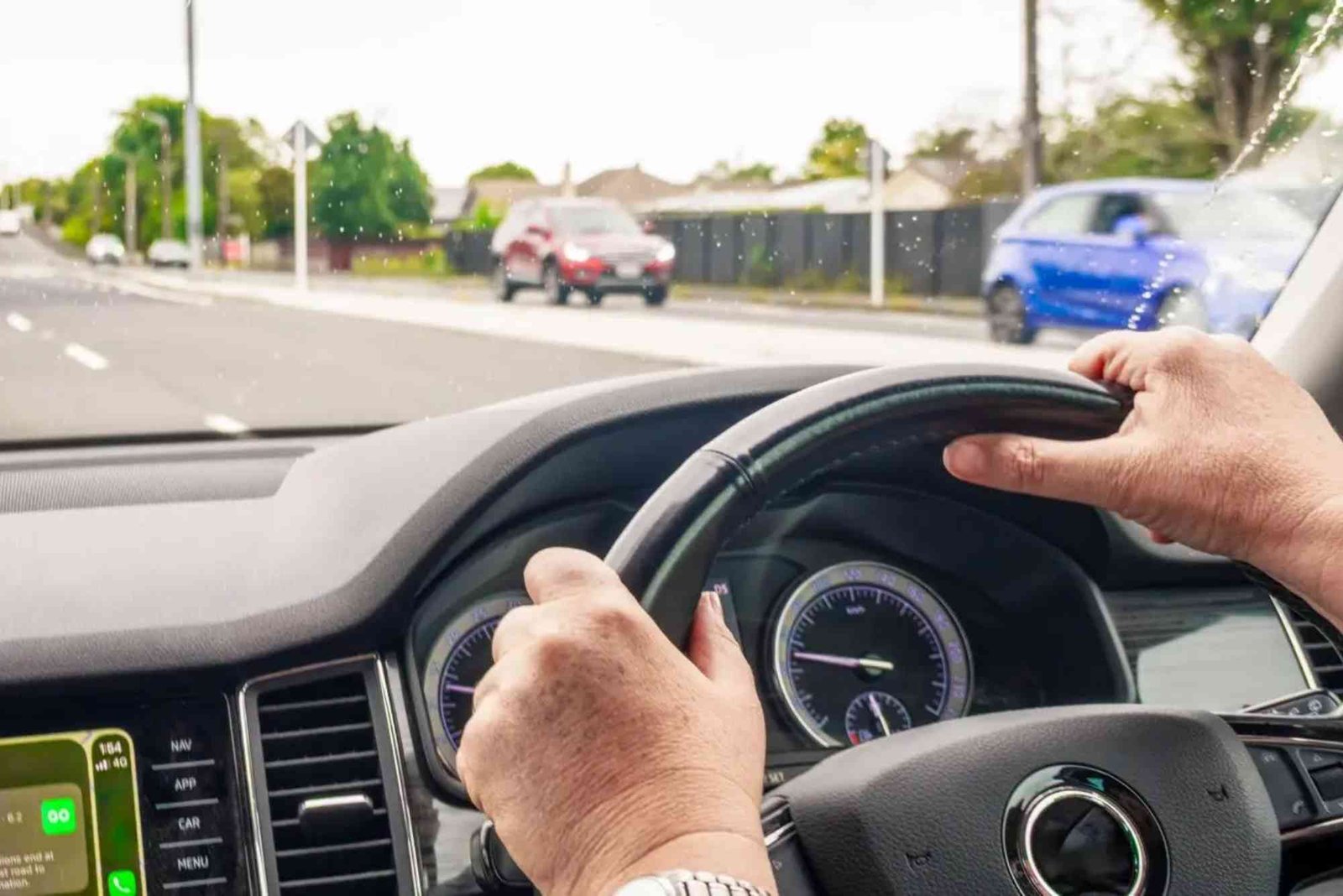


Driving is part of everyday life for millions of people. However, even experienced drivers can face unexpected hazards on the road. Following the Best Automobile Safety Tips Every Driver Should Know can reduce risks and help you respond better to changing traffic conditions.
Automobile safety is not only about following traffic laws. It also involves maintaining your vehicle, staying focused, understanding road conditions, and making responsible decisions. Small habits can make a significant difference when you are behind the wheel.
Best Automobile Safety Tips Every Driver Should Know
The Best Automobile Safety Tips Every Driver Should Know begin with basic defensive driving habits. A safe driver remains alert and anticipates what other road users might do. Instead of reacting at the last moment, defensive drivers create enough space and time to handle unexpected situations.
Before starting your journey, make sure you are physically and mentally ready to drive. Fatigue, stress, distractions, and impaired judgment can affect your ability to react quickly. If you feel too tired or unwell to drive safely, it is better to delay the journey.
Always Wear Your Seat Belt
Seat belts remain one of the most important vehicle safety features. Every person inside the vehicle should wear a properly fitted seat belt, regardless of how short the journey may be.
A common mistake is assuming that short trips do not require safety precautions. However, crashes can happen close to home just as easily as they can on highways. Make seat belt use an automatic habit before moving the vehicle.

Parents should also ensure that children use suitable child restraint systems according to their age, size, and local regulations. Proper installation is equally important because an incorrectly fitted restraint may not provide the expected protection.
Stay Focused While Driving
Driver distraction is one of the biggest threats to automobile safety. Phones, navigation systems, food, conversations, and other activities can take your attention away from the road.
Avoid texting or manually operating your phone while driving. If you need to make a call, adjust navigation, or respond to an important message, stop somewhere safe first.
Even a few seconds of inattention can prevent you from noticing a pedestrian, cyclist, sudden brake lights, or changing traffic signals. Keeping your attention on driving is therefore one of the most valuable safety habits.
Follow Safe Speeds
Speed affects how quickly you can react and how much distance your vehicle needs to stop. Higher speeds also make collisions more severe.
Always follow posted speed limits and adjust your speed when road conditions change. Rain, fog, heavy traffic, poor visibility, road construction, and damaged surfaces may require slower driving.
Safe driving is not about reaching your destination as quickly as possible. It is about maintaining enough control to handle situations that you cannot predict.
Maintain a Safe Following Distance
Keeping adequate space between vehicles gives you more time to react when traffic suddenly slows. Following another vehicle too closely reduces your reaction time and increases the chance of a rear-end collision.
Maintain a comfortable distance and increase it when driving at higher speeds or in poor weather. Wet roads can require additional stopping distance because tyres may have less grip.
You should also avoid staying in another vehicle’s blind spot for extended periods. Positioning your vehicle where other drivers can easily see you improves overall road awareness.
Check Tyres Regularly
Tyres are the only part of your vehicle that directly contacts the road. Their condition therefore has a major effect on braking, steering, and stability.
Check tyre pressure regularly and follow the pressure recommended by your vehicle manufacturer. Inspect the tread and look for cracks, uneven wear, bulges, or other visible damage.
Tyre condition becomes especially important during long journeys and extreme weather. A damaged or poorly inflated tyre can reduce vehicle control and increase the risk of a breakdown.
Inspect Your Brakes
Your braking system should always be treated as a critical safety component. Pay attention to warning signs such as unusual noises, vibrations, a soft brake pedal, or increased stopping distance.
Do not ignore these symptoms. A professional inspection can identify worn brake pads, damaged discs, fluid problems, or other issues before they become more serious.
Regular maintenance is an important part of the Best Automobile Safety Tips Every Driver Should Know because safe driving depends on both driver behavior and vehicle condition.
Keep Your Mirrors Properly Adjusted
Correct mirror positioning helps reduce blind spots and improves your awareness of surrounding traffic. Adjust your mirrors before starting the vehicle rather than while driving.
Your rear-view mirror should provide a clear view behind the vehicle. Side mirrors should cover areas that are not visible through the rear-view mirror.
Even with properly adjusted mirrors, check your surroundings before changing lanes. A quick shoulder check can help identify vehicles, motorcycles, or cyclists that may not be immediately visible.
Drive According to Weather Conditions
Weather can change driving conditions quickly. Rain can reduce tyre grip and visibility, while fog can make vehicles and road markings difficult to see.
When conditions become difficult, reduce your speed and increase your following distance. Use the appropriate lights and avoid sudden steering or braking movements.
If visibility becomes extremely poor, consider stopping in a safe location until conditions improve. Continuing simply because you are already on the road can create unnecessary danger.
Never Drive Under the Influence
Alcohol and drugs can seriously affect judgment, coordination, concentration, and reaction time. Driving while impaired puts the driver, passengers, pedestrians, and other motorists at risk.
Some prescription and over-the-counter medicines can also cause drowsiness or reduced alertness. Always understand how a medication may affect your ability to drive.
If you are impaired for any reason, arrange another form of transportation. Responsible decision-making is an essential part of automobile safety.
Avoid Driving When Extremely Tired
Fatigue can reduce concentration and slow reaction times. It can also cause brief periods of sleep that are extremely dangerous behind the wheel.
If you notice repeated yawning, difficulty focusing, heavy eyelids, or drifting between lanes, treat these as warning signs. Find a safe place to stop and rest.
For long journeys, plan regular breaks. Sharing driving responsibilities with another qualified driver can also help reduce fatigue.
Use Modern Safety Features Correctly
Many modern vehicles include advanced safety technologies. Features such as automatic emergency braking, lane assistance, blind-spot monitoring, parking sensors, and adaptive cruise control can support drivers.
However, these systems are not replacements for attention. Drivers should understand their vehicle’s technology and know its limitations.
Advanced driver assistance systems can sometimes struggle with poor weather, unusual road situations, or objects that sensors cannot identify correctly. Staying attentive remains essential even when your vehicle has sophisticated safety technology. AAA research has also highlighted limitations in several driver-assistance systems.
Keep Your Windshield and Lights Clean
Clear visibility is essential for safe driving. Dirt, dust, damaged glass, or worn windscreen wipers can make it harder to see hazards.
Clean your windshield regularly and replace worn wiper blades when they stop clearing water effectively. Check headlights, brake lights, indicators, and other exterior lights frequently.
Good lighting is particularly important at night and during rain or fog. Clean and functioning lights also help other road users recognize your vehicle and intentions.
Prepare for Emergencies
Even a well-maintained automobile can experience an unexpected problem. Drivers should understand what to do if their vehicle breaks down or becomes involved in an incident.
If your vehicle develops a serious problem, move to a safe location when possible. Turn on the hazard lights and avoid standing close to moving traffic.
Keeping essential emergency equipment in your vehicle can also be useful. More importantly, know your local emergency procedures and keep important contact information accessible.
Practice Defensive Driving
Defensive driving means staying aware of potential hazards before they become emergencies. Watch traffic several vehicles ahead instead of focusing only on the car directly in front of you.
Look for sudden lane changes, pedestrians near crossings, motorcycles, cyclists, and vehicles entering from side roads. Anticipating these situations gives you more time to respond.
Avoid aggressive driving and road rage. If another driver behaves dangerously, maintain your distance rather than trying to confront them.
Follow Traffic Rules Consistently
Traffic regulations exist to create predictable behavior on public roads. Obey speed limits, traffic signals, lane markings, signs, and right-of-way rules.
Never assume that an empty road makes traffic rules unnecessary. Intersections, pedestrian crossings, and changing traffic conditions can create hazards within seconds.
Consistent compliance also makes your intentions easier for other road users to understand. This reduces confusion and helps create safer traffic flow.
The automobile industry is evolving rapidly, driven by electric vehicles, advanced safety features, connected technology, and smarter driving systems. Staying informed about the Top Automobile Trends Shaping the Industry This Year can help buyers and businesses understand changing preferences, emerging innovations, and the future direction of modern transportation.
Conclusion
The Best Automobile Safety Tips Every Driver Should Know are based on simple but powerful habits. Wear your seat belt, stay focused, maintain your vehicle, control your speed, and leave enough space between vehicles.
Frequently Asked Questions
What are the best safety tips for driving?
The best safety tips include wearing a seat belt, staying focused, following safe speeds, maintaining a proper following distance, and keeping your vehicle in good condition. Drivers should also avoid alcohol, drugs, fatigue, and mobile phone distractions.
What are the most important automobile safety features?
Important automobile safety features include seat belts, airbags, anti-lock braking systems, electronic stability control, and modern driver assistance systems. Their effectiveness depends on correct use and attentive driving.
How can I make my car safer?
You can make your car safer through regular maintenance and inspections. Check tyres, brakes, lights, mirrors, wipers, and fluid levels. Also, ensure that safety systems work correctly and address warning lights promptly.
How can I become a safer driver?
Becoming a safer driver requires consistent defensive driving habits. Stay focused, anticipate hazards, maintain safe distances, control your speed, and avoid aggressive or distracted driving. Regularly reviewing your driving habits can also identify areas for improvement.
What should I check before driving?
Before driving, check your surroundings, mirrors, tyres, lights, and windshield visibility. Make sure everyone is properly restrained and remove distractions before moving. These simple checks can improve safety before every journey.
Related Reading: How to Improve Automobile Fuel Efficiency Naturally
Related Reading: Essential Facts About Hosting With Sql Every Owner Should Know
Related Reading: Best Automobile Maintenance Tips for Longer Vehicle Life
Related Reading: Best Car Wash Soap Online in UAE: Top Picks for Desert Protections

ansar
Senior Technology and Innovation contributor at GrandInventor.
View all articles by this author →